BioSonics Launches First Fully Autonomous Scientific Split Beam
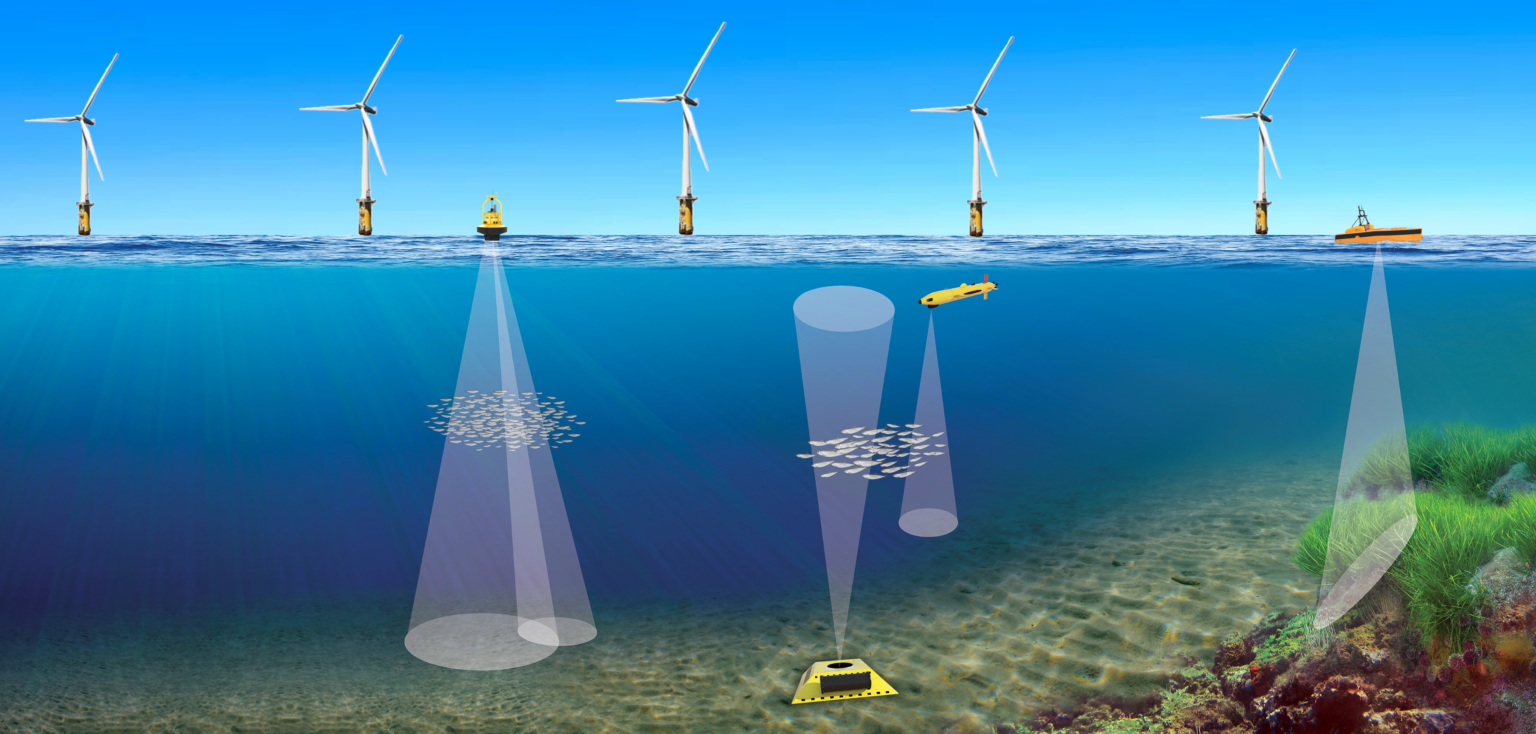
 On the leading edge of scientific sonar technology since 1978, Seattle-based BioSonics today unveiled their latest innovation in underwater monitoring, the DTZ Explore. This compact, low-power, split beam sonar system is the first of its kind and opens up new exciting possibilities in underwater monitoring to support ocean intelligence and environmentally responsible development of offshore energy, aquaculture, research and more.
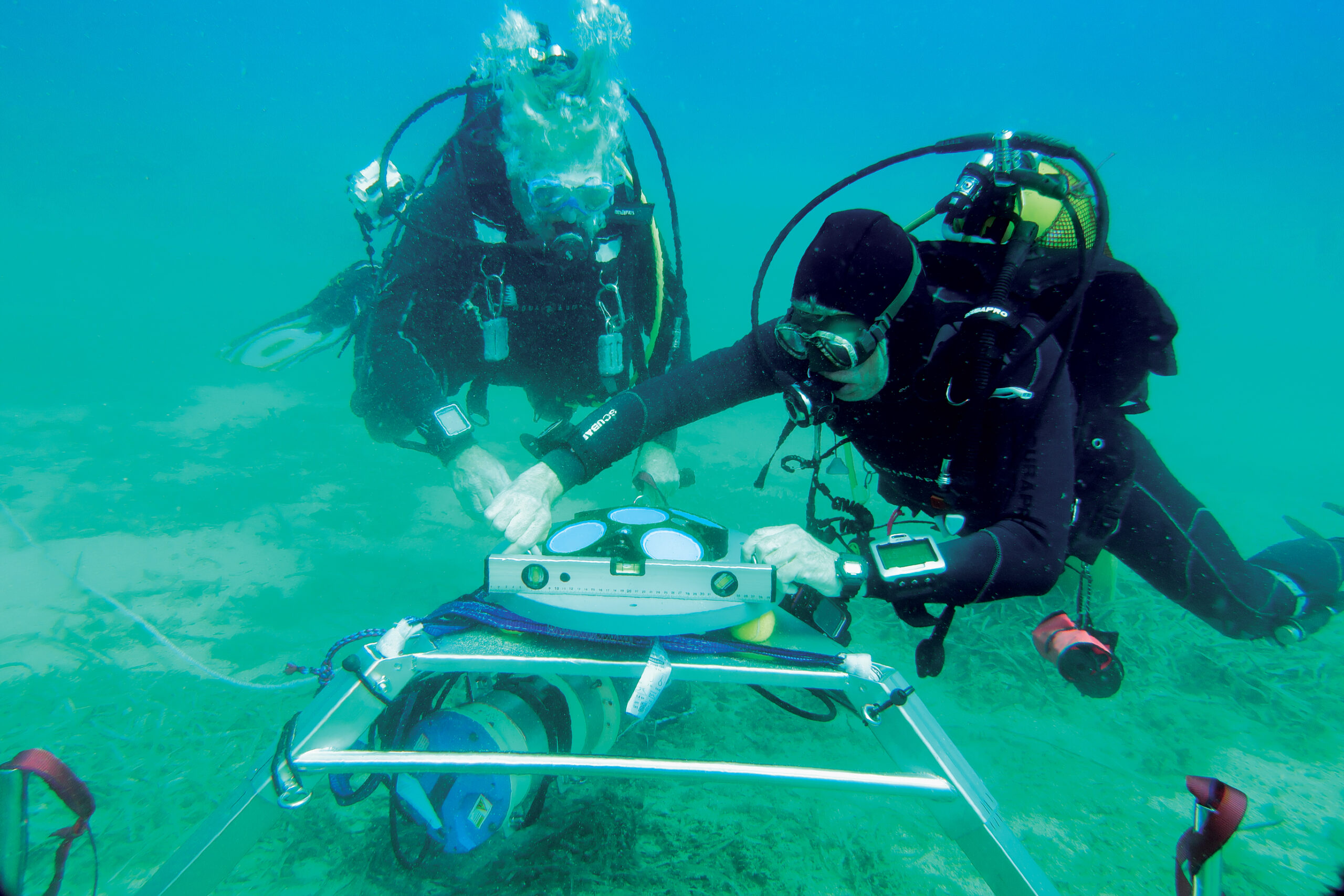
DTZ Explore brings the power of a traditional vessel-mounted sonar system into a compact, energy-efficient package. The small but mighty DTZ Explore gives access to a full water column while producing quantitative datasets to assess biodiversity and marine life with always-on data collection and real-time reporting. The efficient device provides the most scientifically defensible data possible on a wide range of organisms from plankton to whales.
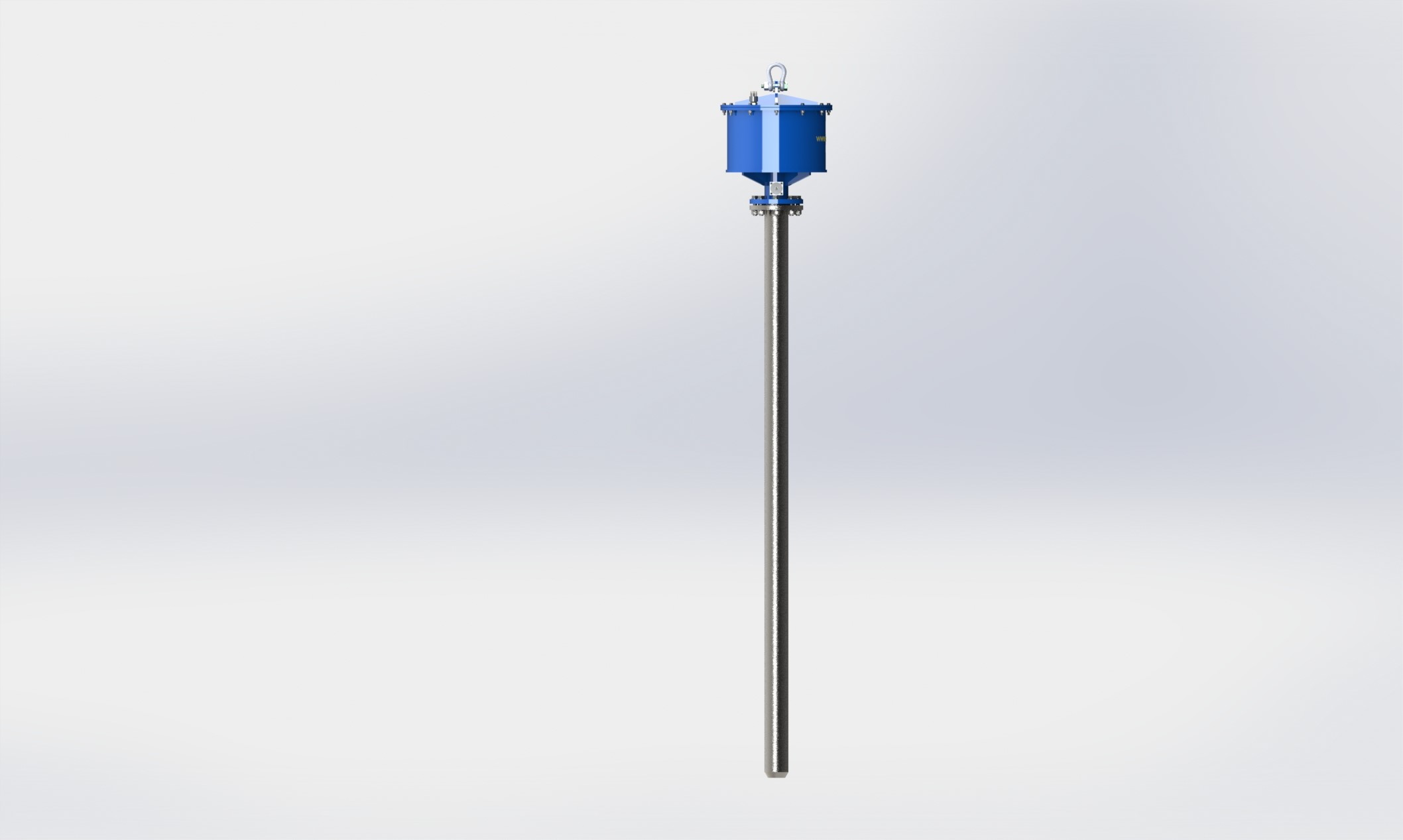
The 6-watt device features BioSonics’ split beam sonar technology, cutting-edge System-on-Chip (SoC) architecture, and an integrated Linux-operating system, all inside a fully submersible device the size of a volleyball. It autonomously collects and stores high-resolution marine life data, processing it in real-time with onboard Edge computing, and transmits critical insights via Ethernet or RS-232, with cloud connectivity.
“Split beam sonar methods are considered the gold standard for providing precise, defensible scientific data for monitoring aquatic life and behavior” said BioSonics CEO Tim Acker. “Data that is needed for project permitting and stakeholder acceptance. Traditional split beam sonar sensors typically required deployment from crewed vessels. The DTZ Explore can easily attach to any uncrewed mobile or fixed platform of choice.”
Whether monitoring fish schools and marine mammals around offshore energy sites or tracking aquaculture behavior and health, DTZ Explore simplifies operations with its plug-and-play design and versatile deployment as an external sensor on mobile or fixed uncrewed platforms, such as UUVs, USVs, data buoys, seabed landers, ADCPs, and ocean observatories.
“The DTZ Explore is the culmination of a multi-year development plan to invent the world’s most advanced, compact, and easy to use split beam sonar system,” said Acker. “We’re proud of our dedicated team of scientists and engineers who believed in our vision and poured their passion and incredible talent into making the DTZ a reality. With the right strategic partners, we look forward to getting this in the hands of marine tech, offshore energy, and aquaculture companies worldwide.”

Teledyne Marine Launches Intrepid – A GNSS/Inertial Navigation System
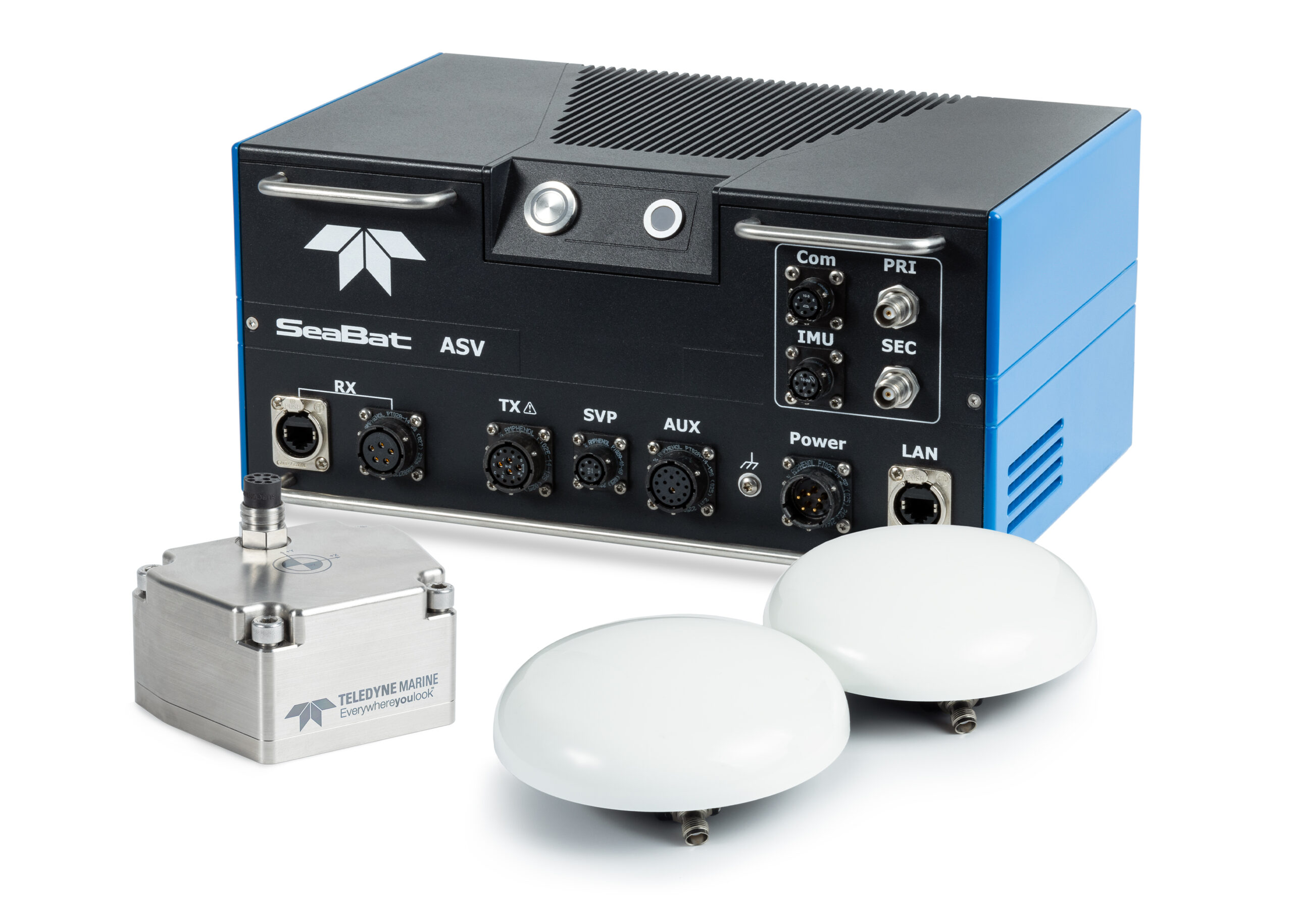
 Teledyne Marine is excited to unveil the Intrepid, a GNSS/Inertial Navigation System. The system is integrated with the SeaBat T20-ASV processor and comprises a compact inertial measurement unit (IMU) and two GNSS antennas, delivering reliable and precise positioning.
With the Intrepid on board, no manual interfacing between sensors is required, as the system automatically streams data to third-party software. This eliminates the need for manual sensor interfacing and reduces downtime.
Teledyne Marine’s unified approach combines hardware and software into one single, intuitive interface for monitoring and controlling the mapping system. Moreover, the centralized system streamlines firmware and software updates, providing users with effortless access to the latest features and enhancements. The new Intrepid GNSS/Inertial Navigation System combines immediate feedback with the consistent and precise results of the SeaBat T20-ASV, delivering a seamless mapping experience.

The Intrepid GNSS/INS benefits all users in marine surveying applications by providing the precise navigation necessary for operational efficiency. Due to its intuitive design, it is easy to configure and monitor, allowing even entry-level operators to quickly set up the system and receive immediate feedback on navigational status - essential for dynamic marine operations.
“Teledyne Marine’s Intrepid GNSS/INS is the next step in our line of INS products with a combined GNSS/INS system. What we have done is to integrate the SeaBat Sonar software and the Intrepid software into one software program, making it simple and easy to use for the operators,” says Pim Kuus, Senior Hydrographer and Product Manager Instruments & Imaging at Teledyne Marine.
Teledyne RD Instruments Releases Workhorse Proteus ADCP
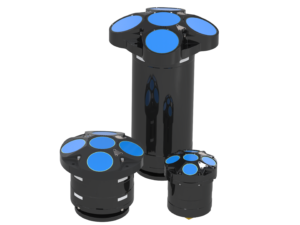 Teledyne RD Instruments (RDI) is pleased to announce the introduction of Workhorse Proteus, the latest and most technologically advanced edition of its industry-standard Workhorse ADCP’s. RDI developed the industry’s first commercially available ADCP in 1982.
With the processing horsepower to simultaneously sample at multiple spatial and temporal scales, Proteus can unlock a new understanding of waves, turbulence, and the changing currents below the surface. Its technical advantages deliver the most data possible with a single instrument. Its features include the Proteus Advanced Doppler Sonar Platform (ADSP) - the most advanced Doppler processing platform; Catalyst Processor for fast processing; new RDI AHRS and dynamic bin mapping; elegant planning software; five beams for direct measurement of ocean’s vertical velocity; versatile deployment options; robust, repeatable broadband techniques; and multiple communication options.
Grant Jennings, Product Line Director of RDI, commented on the new product: “RDI’s engineering and product development team have harnessed our 40 years of Doppler sonar experience to design the perfect ADCP. Our engineers are the best in the industry, and I am thrilled with the final product we will offer our customers.”

New RBRtridente makes more sense
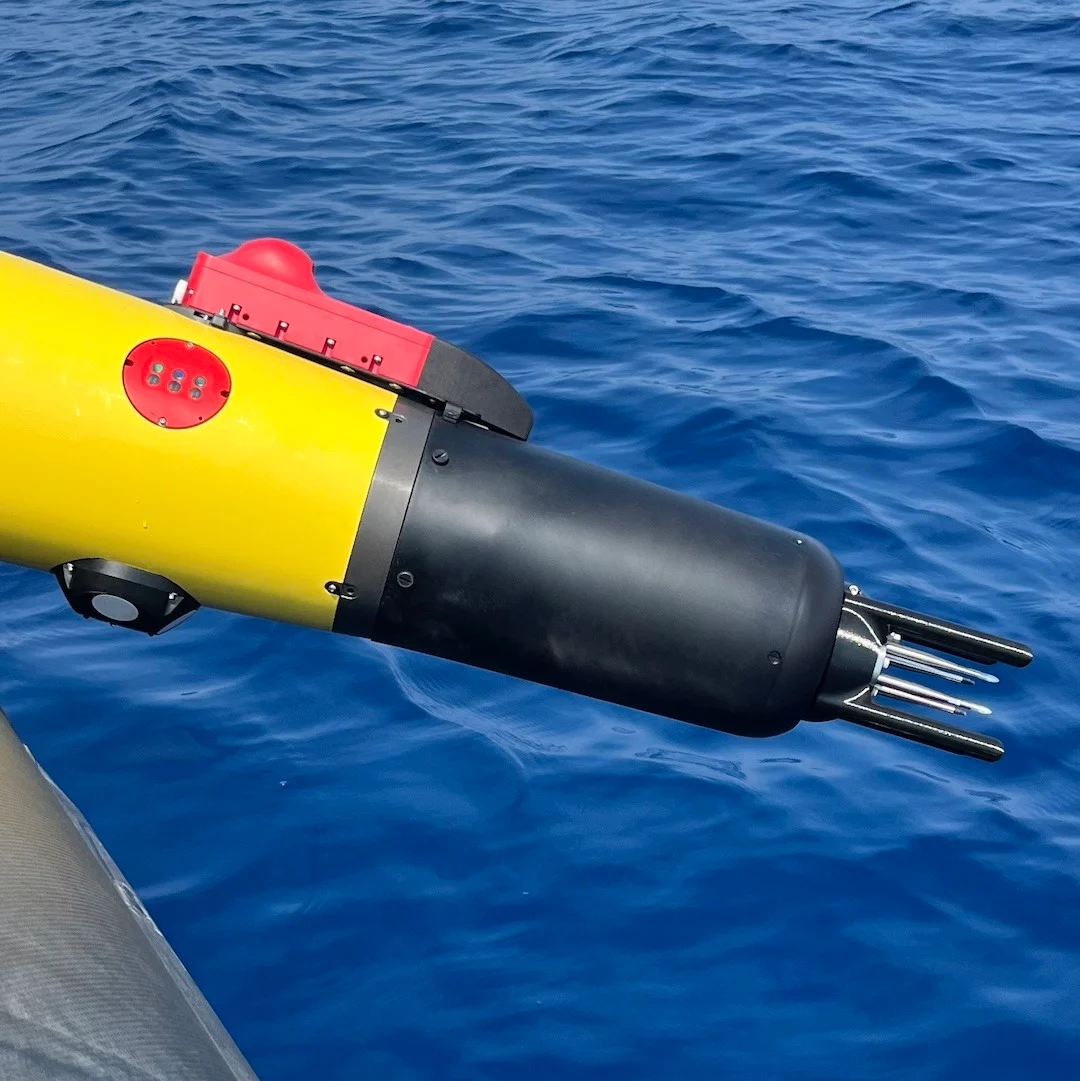
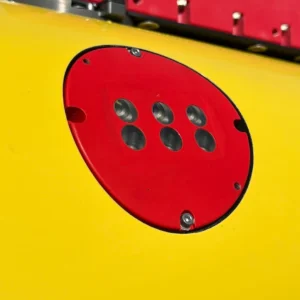 RBR is pleased to announce a dry bay version of proven RBRtridente three-channel optical sensor, specifically designed to support the needs of OEM users.
Its size is compatible with existing vehicle payload bays and with RS-232 data being streamed via a Micro-Fit connector, user integration is simple.
RBR is well known for building instrumentation with exceptionally low power requirements, and the RBRtridente is no different. This allows integrators and their end users the capability to extend mission durations, be it with their AUV, glider, float, or other underwater vehicle; maximising science opportunities whilst deployed.
The RBRtridente is capable of making multiple fluorescence and backscatter measurements simultaneously, and with a high dynamic range, it permits exposure to full sunlight with very low detection limits. With a depth rating of 1,250m for the dry bay version and 6,000m for the existing wet bay version, it suits a wide variety of applications.
Parameters currently available include chlorophyll a, fDOM, phycocyanin, phycoerythrin, backscatter and turbidity, and users can select a combination of any 3 of these parameters when ordering. Additional wavelengths are available on request, with a number already scheduled to roll out soon.
For more information on this new variant of the RBRtridente or any other instruments in the RBR range, please reach out to the team at RBR: [email protected]
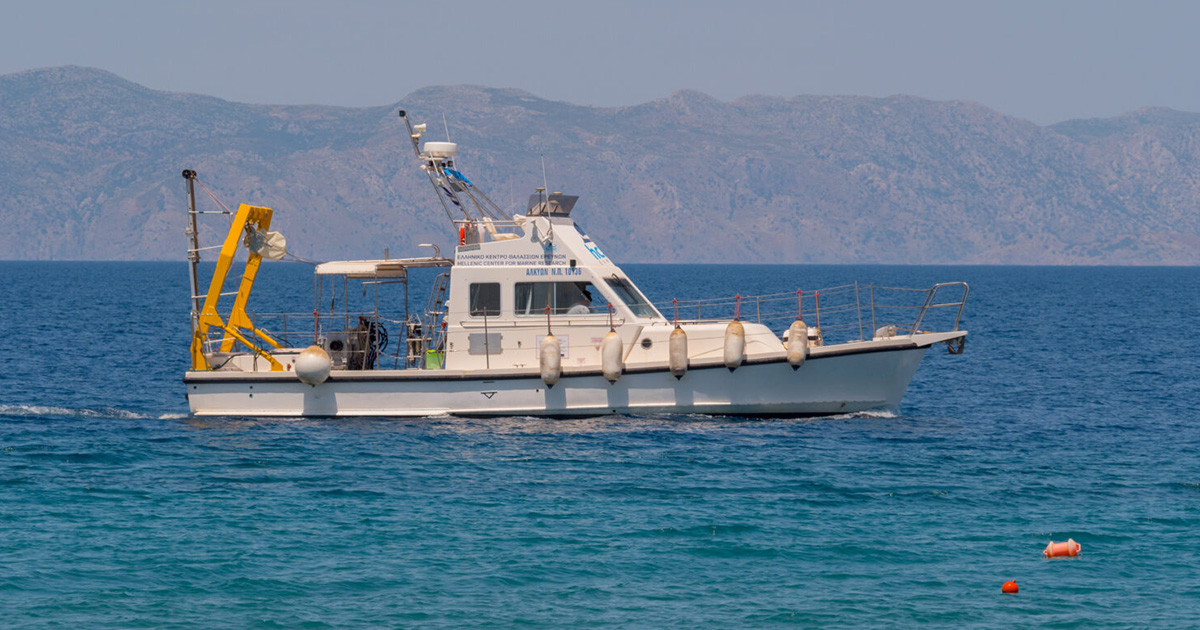
New Midi Vibrocorer joins OSIL range of sediment sampling equipment
Ocean Scientific International Limited (OSIL) have announced the launch of a new hybrid vibrocoring system, fitting between the traditional Vibrocorer, and the popular Mini Vibrocorer which was added to OSIL's equipment list in the last 12 months.
The Midi Vibrocorer is a lightweight coring system that is supported by a traditional deployment frame, making deployments easier in unstable conditions. The Vibrocorer is designed for sampling dense or compacted sediments, and the lightweight nature of the new system enables deployment in off-grid areas or from vessels of opportunity with restricted handling capabilities.
The Vibrocorer is a fully self-contained system available in 2 or 3m configurations, with sufficient battery capacity to power the system for 4 hours of continuous use, and has been designed for ease of deployment from small vessels with a winch or davit system. The corer can also be operated from 24VDC 12A vessel supply if available.
The Vibrocorer features a rotational barrel joint, anti-return valves and a high-power motor for excellent seabed penetration.

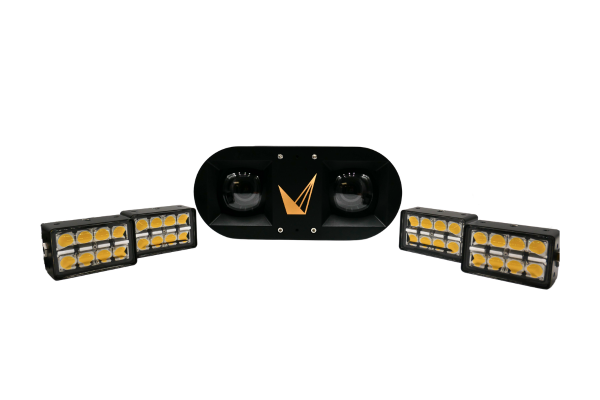
Expanded vision: Introducing Voyis' discovery stereo camera for shallow depths
Last year, Voyis revolutionised underwater operations with the launch of the Discovery Stereo camera, boasting an impressive 4000-meter depth rating with high accuracy dome viewports. This innovative product delivered true depth perception and real-time 3D modeling to ROV (Remotely Operated Vehicle) platforms across the ocean sector. Taking an innovative approach, the Discovery is a more than a stereo camera, it is a Vision System that simultaneously records low-latency piloting video, high-resolution stills images, and 3D models. With a wide 75°x75° field of view and onboard edge computing, the system instantaneously delivers 3D depth maps to enable true autonomy, from fine manipulator automation, accurate vehicle docking and visual tracking, or station keeping without seabed bottom-lock.
Today, Voyis releases a 300-meter depth rated version of the Discovery Stereo, delivering the same performance and accuracy but in a package that is lower cost and neutrally buoyant.
Key Benefits of the Discovery Stereo 300m Rated
A remarkable feature of the 300m rated Discovery Stereo camera is its neutrally buoyant design that is achieved without compromising on the proven system accuracy. This advancement drastically simplifies integration into small ROVs for shallow water applications, ensuring ROV piloting dynamics are not affected.
The most intricate details of the underwater world can now be captured on smaller platforms that are both lower cost and easier to deploy. With the neutrally buoyant Discovery Stereo camera, you will experience enhanced stability and ease, allowing you to capture stunning images, video, and 3D data with simple integration.
The paired Nova Mini lights are smaller and employ corrected optics that expand the illumination coverage. This ensures the entire camera’s field of view is perfectly illuminated, maximising target coverage rates, and improving the robustness of tracking algorithms.
In addition to that, the 300-meter rated Discovery Stereo camera generates the highest quality datasets in this depth class. With other shallow rated stereo products compromising on performance to achieve their reduced cost and weight requirements, 300m Discovery maintains all product functionality and accuracy, simply in an optimised form factor. This new product version was created to assist operations in shallower water, without compromising data quality and precision.
By prioritising both performance and adaptability, the Discovery Stereo camera empowers users to navigate shallower waters without compromising on the unparalleled quality of the collected data. Its advanced features not only elevate the standards for underwater inspections but also make it an indispensable tool for various ocean sciences and civil infrastructure applications where precision and data integrity are paramount.
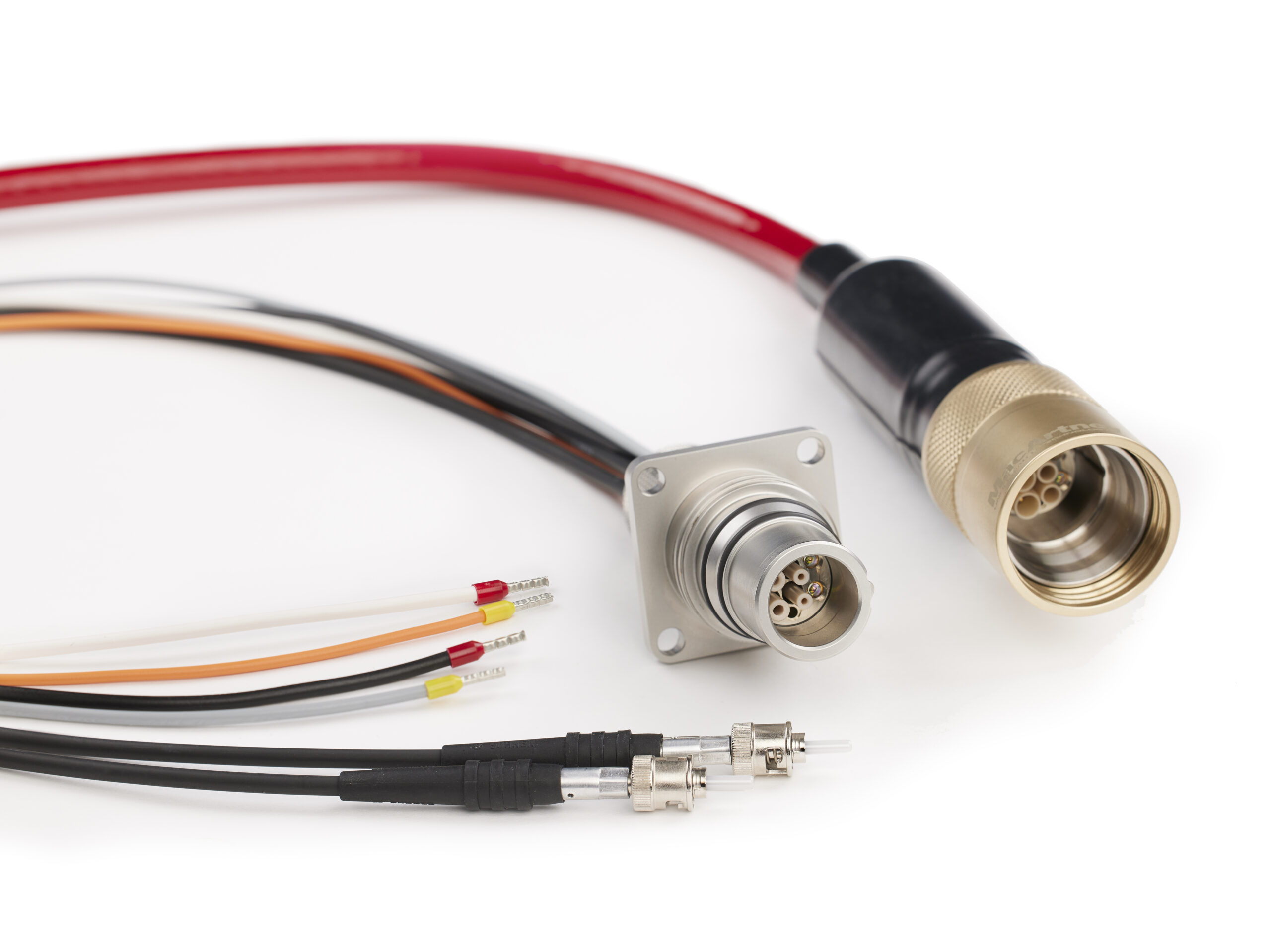
MacArtney launches new TrustLink™ Hybrid connector with minimal footprint
MacArtney proudly introduces the Hybrid connector, a compact addition to its renowned TrustLinkMacArtney launches new TrustLink™ Hybrid connector with minimal footprint Metal Shell series. Meeting customer demands, the Hybrid seamlessly delivers power, data, and communication in one.
The TrustLink Metal Shell (MS) design prioritises reliability in a high-density connector, addressing the challenges of harsh marine environments with limited space.
Paul Anthony, Global Business Manager Connectivity, emphasises the Hybrid's innovation: “With the Hybrid connector, MacArtney has taken this a step further. The single-footprint Hybrid is ideal for tight spots. With two optical passes and four electrical contacts, it enhances versatility while reducing the number of connectors required.”
Customer-driven innovation
Building on the success of the TrustLink MS connectors, the Hybrid naturally extends the series. It is developed in response to customer demands for a small, all-in-one connectivity solution supporting numerous applications, including efficient and reliable data transmission with minimal attenuation and interference.
Leveraging MacArtney's proven OptoLink technology, initially designed to deliver dependable fibre optic connections in a compact connector, the Hybrid excels in high-speed data and video transmission. This is achieved through minimal insertion loss and low back reflection.
Exceptional flexibility and robust connections
The Hybrid offers remarkable flexibility, featuring two optical passes that enable the combination of single-mode and multi-mode fibre optics, along with four electrical contacts. Expanded optical beam technology ensures robust and secure connections, positioning it as the ideal connectivity solution where the accuracy and integrity of transferred data are paramount.
Furthermore, its easy-to-clean connector design ensures seamless maintenance.
A terminated connectivity solution
Acknowledging the need for accessibility and ensuring a quick turnaround for MacArtney's customers, the Hybrid will be available from stock.
It is designed as a connectivity solution with recommended or client-specific cable options, terminated by one of MacArtney's global workshops. The comprehensive workshop solutions cover every subsea and offshore aspect, including moulding, custom assemblies, end-to-end harnesses, dedicated cable, electronics, fibre optics and testing facilities.
With its usability-enhancing qualities, this next-generation TrustLink Metal Shell Hybrid represents MacArtney's commitment to simplifying operational complexities in subsea and offshore environments.
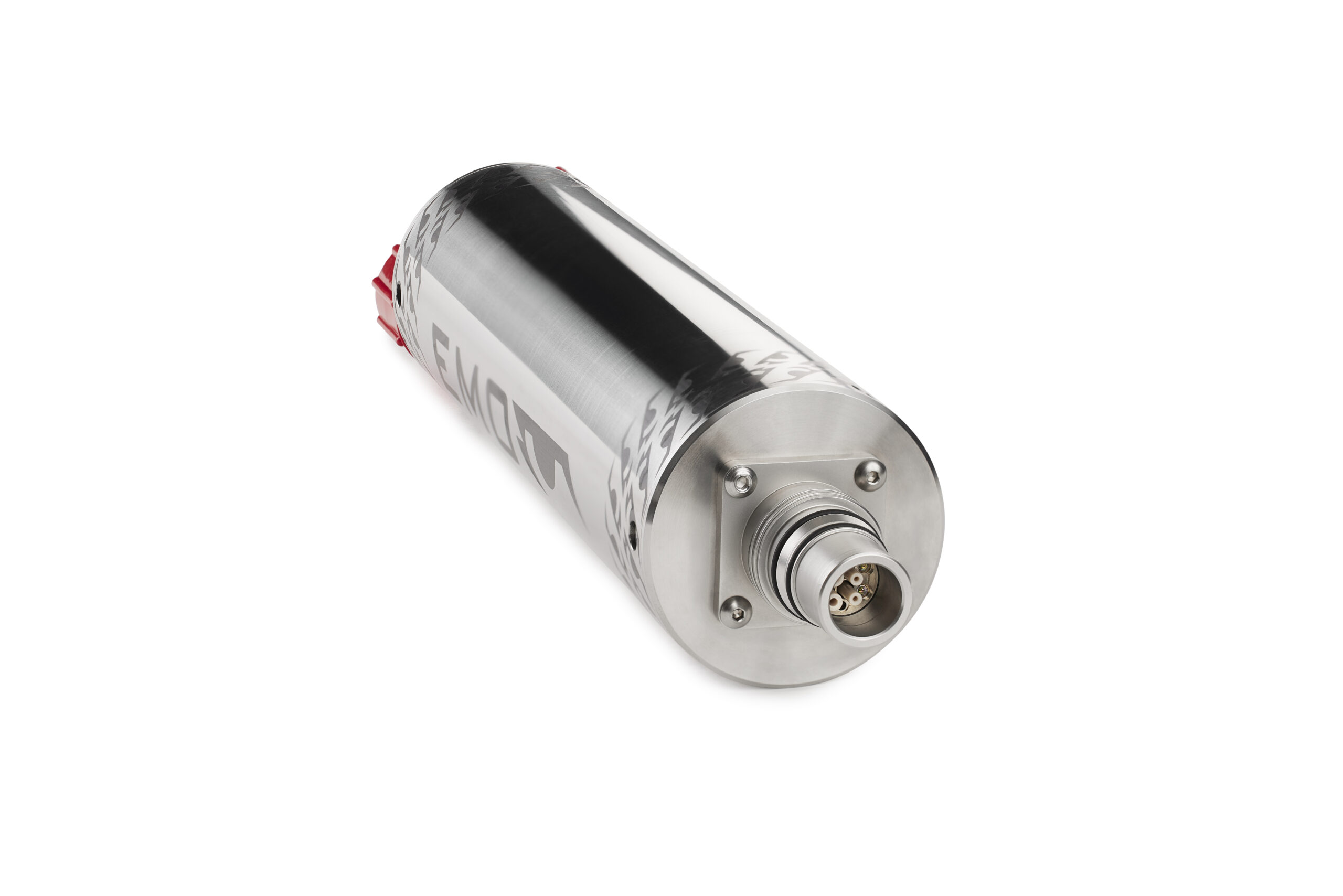
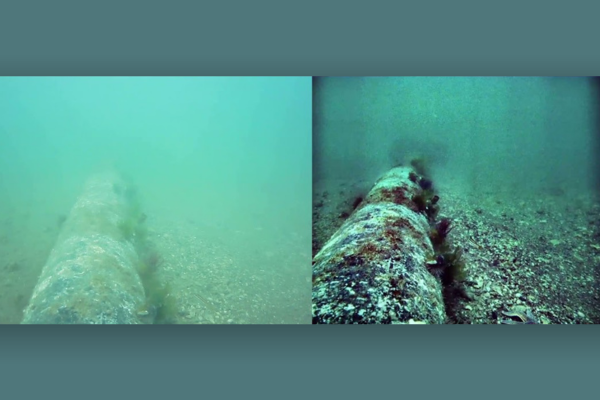
DimEye Corp introduces the ORPHIE camera to the US
DimEye Corp., a California-based company specializing in high-accuracy 3D underwater inspections, is pleased to introduce the ORPHIE camera to the US market. The ORPHIE camera is a revolutionary camera that improves visibility by a factor of 3 (at least) in real-time.
Developed by the company I2S, the ORPHIE camera is available in several configurations: a version for ROV depth-rated 300 m, another version depth-rated 3000 m, and a mini version for divers or mini-ROV, depth rated
300 m.
DimEye is proud to represent the i2S company in the United States, Japan, and Brazil.
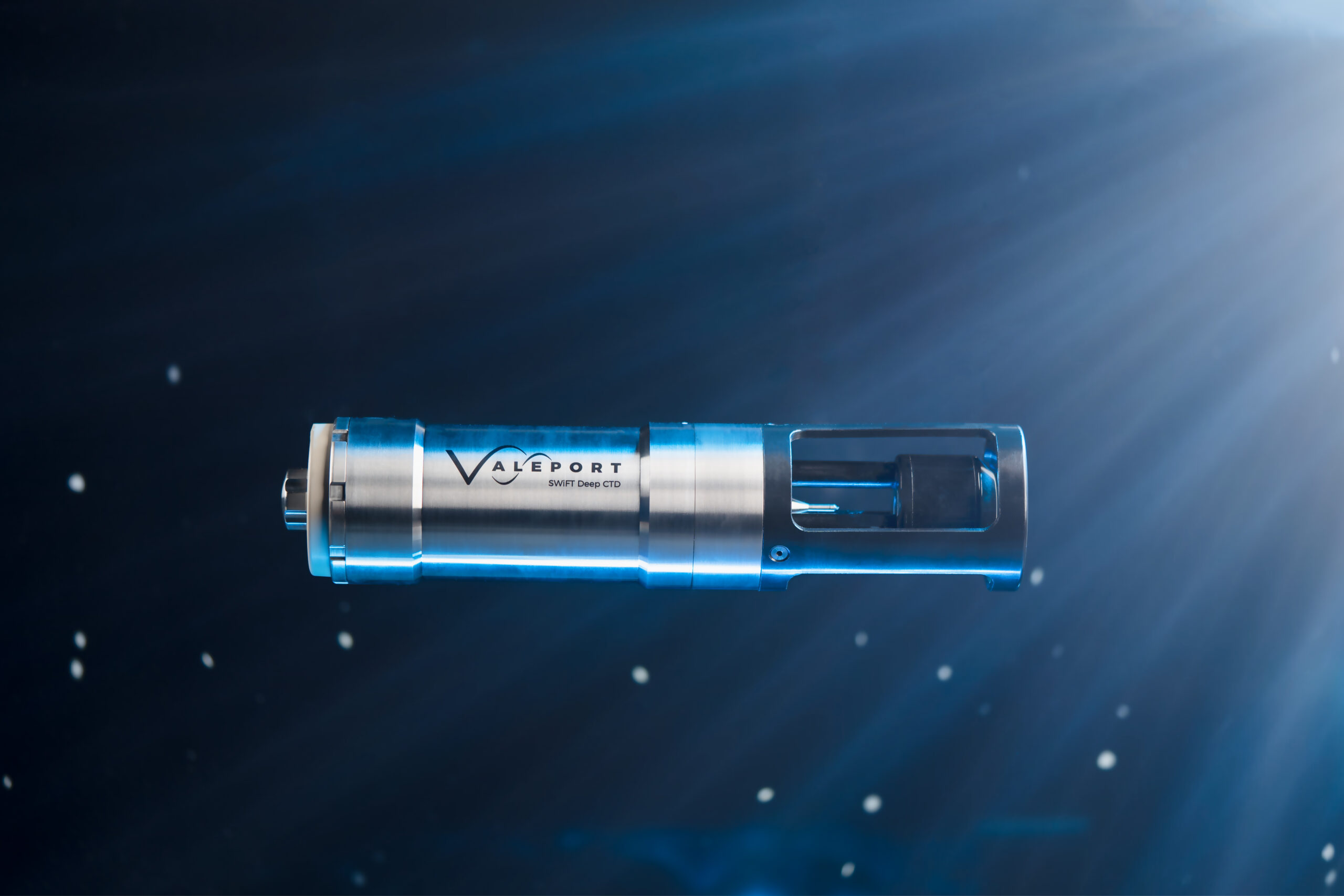
Valeport unveils 6000m rated ‘deep’ CTD
Valeport’s popular range of SWiFT profilers has been extended with the launch of a new addition for those requiring CTD measurements to depths of 6000m.
Offering increased versatility and absolutely no compromise on accuracy, the new SWiFT Deep CTD has been designed with the intention of a seamless workflow and offers the highest quality CTD profiles in a compact, robust and portable package.
The new profiler provides survey-grade sensor technology coupled with the convenience of Bluetooth® wireless technology, a rechargeable battery and an integral GNSS module to geo-locate each profile.
Using Valeport’s world-leading high accuracy sensor technology to combine sensors for multiple profiles in a single drop, the SWiFT Deep CTD can operate to 6000m, delivering directly measured conductivity, temperature and depth. In addition, the SWiFT Deep CTD will provide computed salinity, density and sound velocity, calculated using the UNESCO international standard algorithm and Chen and Millero equation. Data can be quickly and easily downloaded wirelessly, and instantly shared in industry standard data formats.
Ease of use is at the heart of the SWiFT range and the new SWiFT Deep CTD not only makes any problematic battery changes a thing of the past and delivers fully automated data transfer with no user input required, it also features Valeport’s signature SWiFT magnetic switch ring. The switch ring is easy to operate even with cold hands, it simply turns through 90 degrees and reassuringly clicks into position. The end cap features user-friendly LED status indications for GNSS, battery and communications.
With an operational battery life of up to five days and the convenience of charge via USB, the SWiFT Deep CTD is designed to cope with the harshest conditions and intended for offshore, coastal, harbour and inland environmental and hydrographic survey use.
Providing unmatched durability, the SWiFT Deep CTD is constructed from titanium and the CTD sensors are housed in a strong acetal sensor guard.
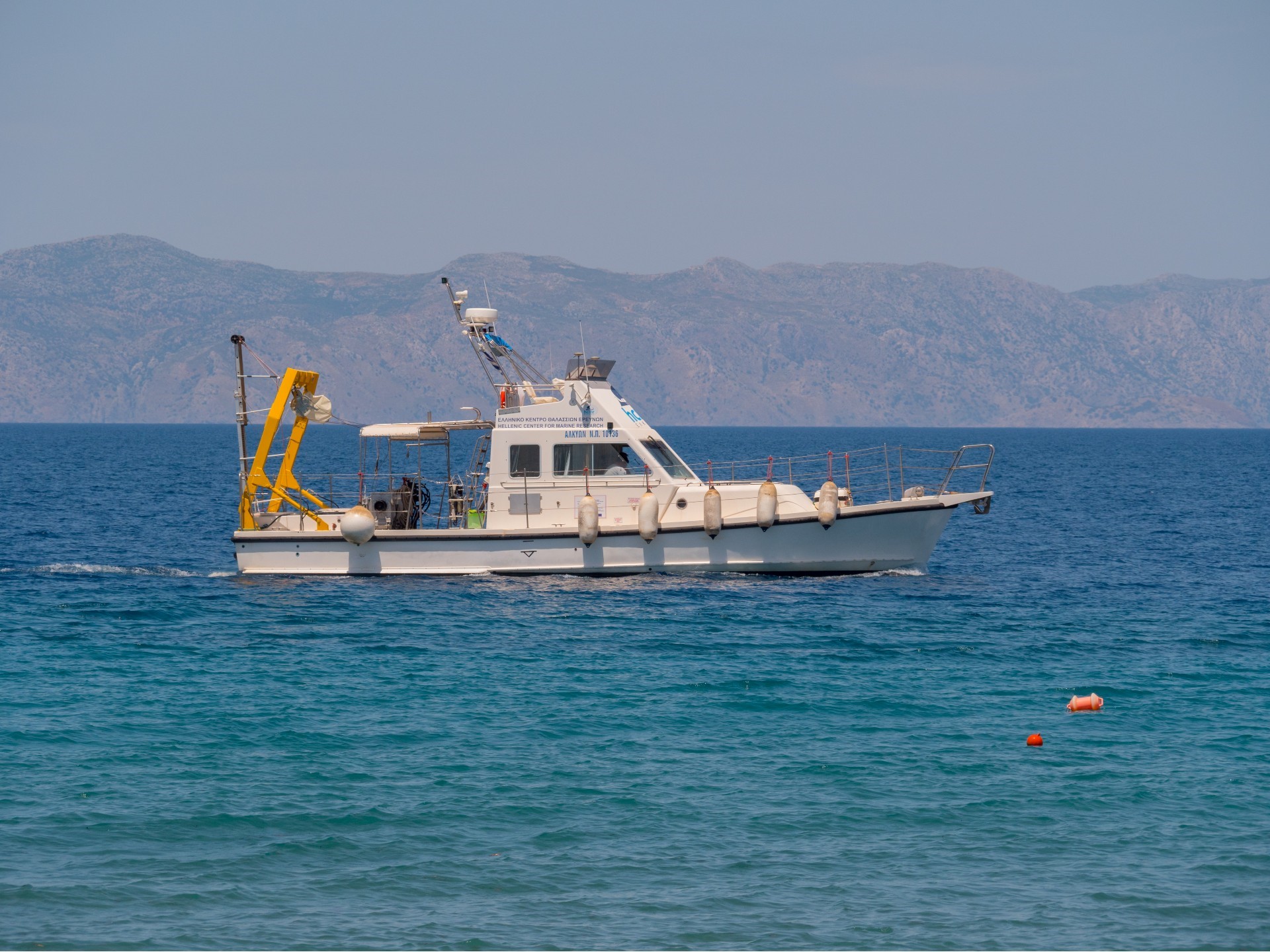
New Mini Vibrocorer for vessels of opportunity & off-grid sampling
Ocean Scientific International Limited (OSIL) have developed a new self-contained sediment coring system for sampling dense or compacted sediments in off-grid areas or from vessels of opportunity with restricted handling capabilities.
The 2m vibrocorer is a fully self-contained system, with sufficient battery capacity to power the system for 4 hours of continuous use, and has been designed for ease of deployment from small vessels with a winch or davit system, as the overall deployment/recovery height is only 2.75m. The corer can also be operated from 24VDC 12A vessel supply if available.
The vibrocorer features a rotational barrel joint, anti-return valves and and variable speed control of the 5.72kN vibration force for easy recovery of samples.