LOTOS choose Seaeye Leopard for Baltic fields
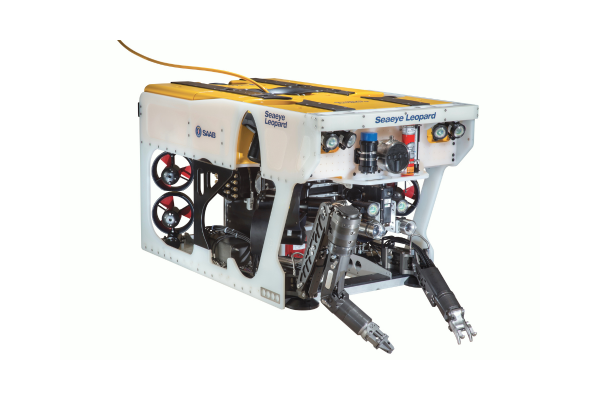
LOTOS Petrobaltic, part of multi-energy concern ORLEN, has ordered Saab’s Seaeye Leopard work class robotic vehicle to service underwater infrastructure within Poland’s B3 and B8 oil fields in the Baltic Sea.
After evaluating other work vehicles on the market, LOTOS Petrobaltic chose the Seaeye Leopard for its versatility and ability to accommodate far more equipment options for a wider range of tasks.
Current tasks include the comprehensive inspection of underwater structures, construction cleaning, cutting, dredging for inspection, basic support for head installations and support for diving teams.
The Leopard’s adaptability is particularly important for LOTOS Petrobaltic. The vehicle’s design means it can be expanded and configured in the future to perform comprehensive measurements and underwater works and inspections for a wide range of customers. It will be equipped with a survey package to include multi-beam sonar, LIDAR and pipetracker.
It's current Leopard configuration includes a Sonardyne DVL/INS survey system, Sprint-Nav INS, Digital Edge recording and event system, five cameras including Kongsberg HD system, also a One Laser for video and measurement, Tritech Super Seaking sonar, a seven-function manipulator, Schilling Orion gripper, electric torque tool, rotary disc cutter, WeSubsea dredge system, FlexiClean cleaning tool, water jet system and caviblaster, Cygus ultrasonic thickness gauge, multiplex survey pod and tooling sled.
The Leopard package also includes a tophat tether management system (TMS), an ‘A’ Frame launch and recovery system (LARS) and a custom control cabin.
At the same time, LOTOS Petrobaltic is preparing its supply vessel, Bazalt II, as a dedicated operational platform for the Leopard, including adapting it to receive the LARS system and the custom configured control cabin, along with additional peripheral systems.
The 3000m-rated Seaeye Leopard is the top-selling electric work vehicle of its class and the most powerful of its size in the world, enabling it to tackle large and complex work tasks previously performed by much larger hydraulic systems.
At half the size of an equivalent hydraulic work vehicle, operators find the Leopard more agile and responsive and able to handle stronger currents and wave motion. It can also tolerate higher environmental temperature ranges and has a considerable acoustic advantage for survey work over hydraulic equivalents.

Ashtead Technology signs rental agreement with i2S with access to Orphie technology
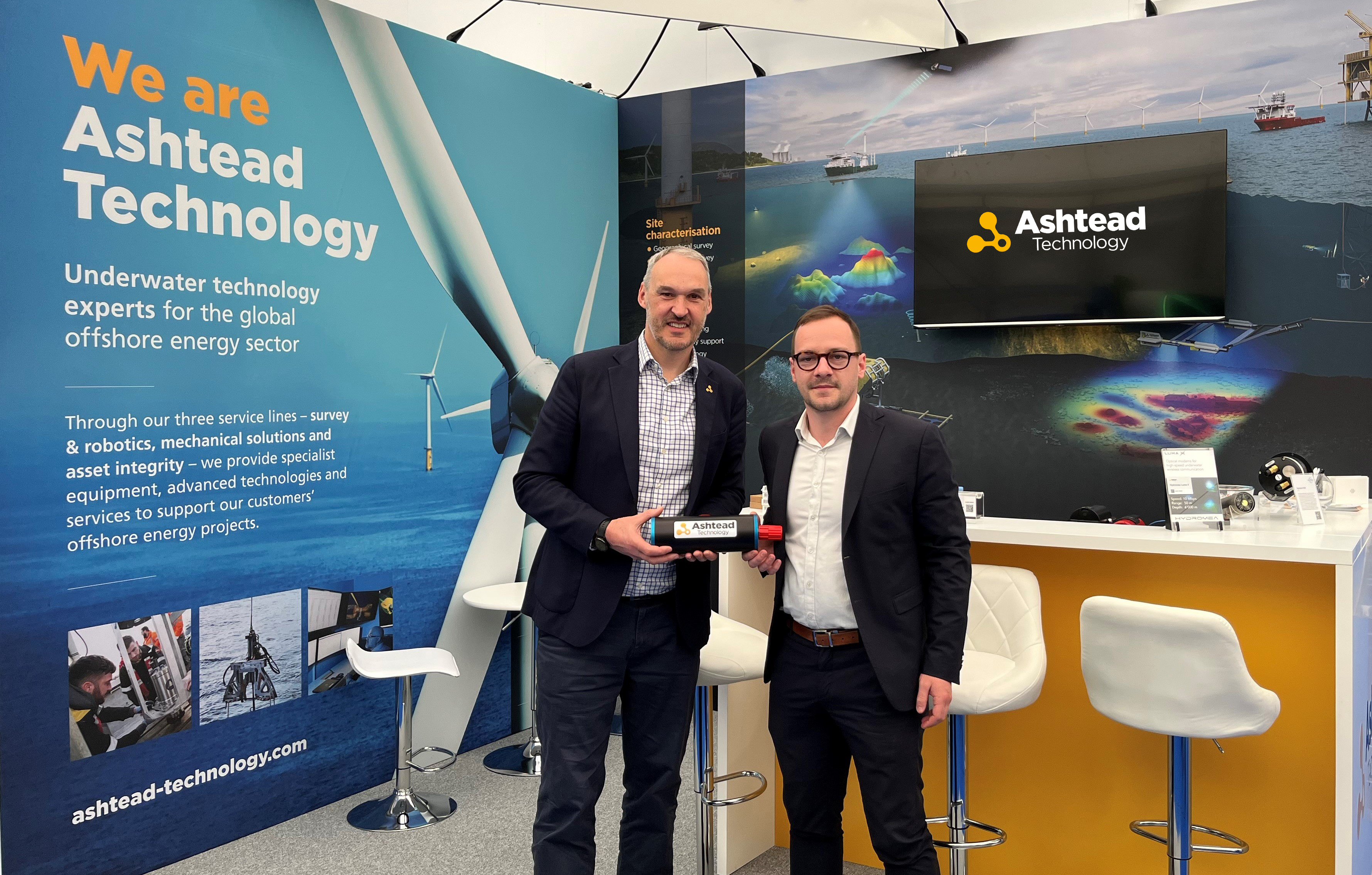
International subsea rental equipment and solutions specialist Ashtead Technology has signed an exclusive rental agreement with France-based i2S, specialists in underwater robotics and imaging solutions.
Under the deal, Ashtead Technology will have access to i2S’s Orphie systems, high-specification cameras that can be used by ROV and divers to improve observation in turbid waters. Orphie technology offers the possibility of observing objects at a distance three times greater than many cameras, producing real-time actionable images to support underwater inspection operations.
The i2S Orphie systems are now available to rent throughout Ashtead Technology’s international technology and service hubs.
Phil Middleton, Ashtead Technology’s Head of Survey and Robotics, said: “As a progressive and pioneering company, innovation is core to our strategy in order to expand our capability and deliver enhanced value to our customers. This is an exciting partnership for Ashtead Technology as both companies share common values and a clear mission to accelerate the design and delivery of cutting-edge technologies to support the industry’s underwater challenges.
“Through our established international network of technology and service hubs we look forward to bringing the latest Orphie technology to our customers and seeing these products deliver excellent results in the field.”
Jules Guillien, Head of Sales at Orphie, said: “We are delighted to enter into this collaboration with Ashtead Technology, a company with a strong international footprint and reputation for excellence. We have developed a range of cameras with the aim of making underwater inspection easier and more efficient by providing unmatched image quality, even in turbid waters. We are looking forward to working together with Ashtead Technology and providing our innovative imaging technology solutions to their customers.”
Unique Group joins forces with Seafloor Systems to acquire new USV
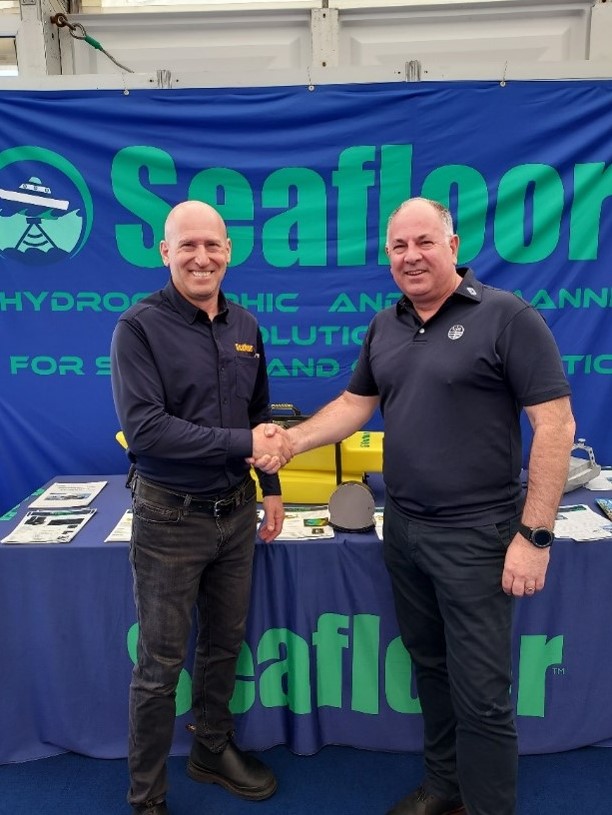
Unique Group, global innovators in subsea technologies and engineering, has entered a partnership with Seafloor Systems to acquire EchoBoat-160™ USV, with fully integrated multibeam echosounder (SeaRAY) and sound velocity profiler, which will be available for hire from the Group’s Houston facility from May 2023.
This agreement reinforces Unique Group’s commitment to introducing the latest cutting-edge technology to customers and developing the Unmanned Surface Vessel (USV) marketplace with its own ‘Uni-Range’ of USV systems. Unique Group offers a range of USVs on a sale and rental basis allowing the end client to select the most suitable USV system, coupled with a wide range of sensor packages, geared for the planned activity.
The EchoBoat-160™ USV is a purpose-built remote survey platform for hydrographic data collection. With true one-button startup, the nimble vessel integrates professional-grade sensor suites in a compact package to navigate challenging bodies of water by remote control or autonomous wayfinding.
Chris Blake, Vice President - Survey at Unique Group commented: “We’re extremely delighted to add the EchoBoat-160™ USV to our ever-expanding inventory of USVs. This 5th generation fully integrated system is an excellent portable USV that can be used by our clients to undertake hydrographic surveys remotely and safely. It is readily available in our US facility and can be quickly deployed across North and Latin America from our facilities. We look forward to the prospect of further developing our partnership with Seafloor in the future.”
John Tamplin, CEO at Seafloor further added: “It is great to partner with Unique Group and expand our reach by taking advantage of Unique Group’s global presence. EchoBoat-160™ USV is a purpose-built system that is well suited for hydrographic surveys and accomplishes the same results demanded of large, crewed boats more efficiently and at a fraction of the cost. We’re confident that through our partnership we will be able to cater to client requirements easily and effectively.”
Unique Group aims to support Seafloor with its technical capabilities and worldwide presence, to facilitate seamless support for customers, a team of Unique Group’s technical personnel will be attending a week-long in-depth operational and maintenance course at Seafloor Systems, Shingle Springs, CA, USA fabrication facility.
Once the system is delivered to Houston, Unique Group will receive Seafloor’s extensive support to set up the complete system and make it operationally ready for rental opportunities.
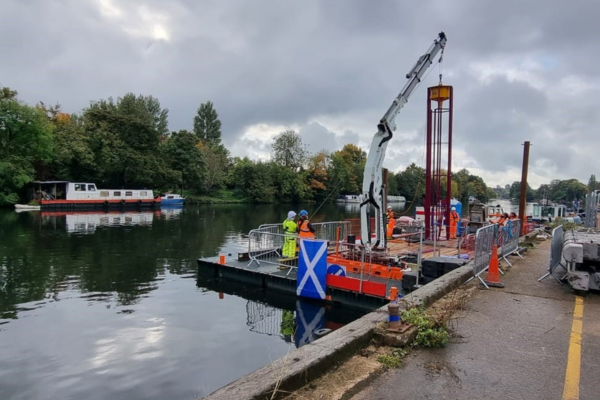
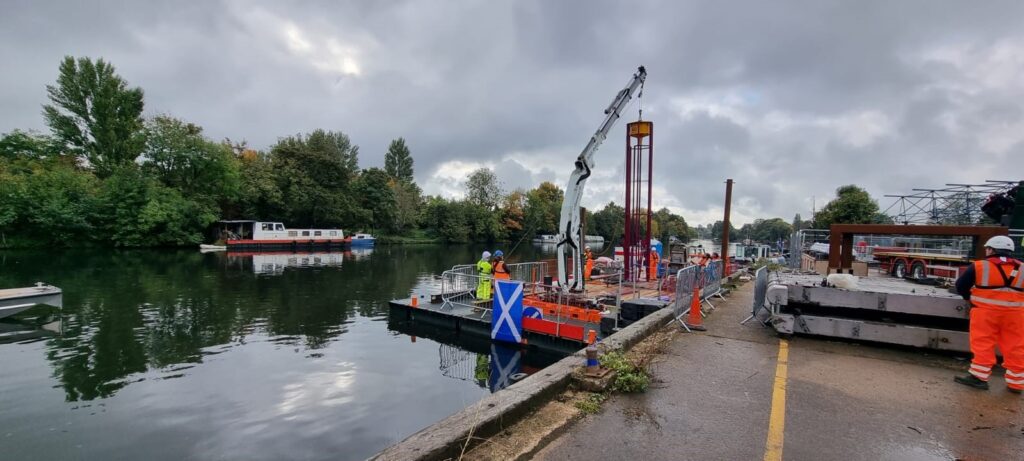
OSIL Vibrocorer on Thames flood protection scheme
The OSIL Vibrocorer has been in use on the early works for the The River Thames Scheme, a £600 million project to develop 2 new flood channel sections for the River Thames.
The River Thames Scheme aims to reduce the risk of flooding for approximately 15,000 homes and businesses along the River Thames involving a series of measures, including new flood walls and embankments, improvements to existing flood defences, and flood storage areas and diversion channels to temporarily hold excess water during times of heavy rain.
The OSIL vibrocorer has been used to obtain sediment samples in dense or consolidated sediments, to determine the type and thickness of sediment layers present in the riverbed as well as identify any areas where the riverbed may be unstable or prone to erosion, which can help in selecting suitable locations for the proposed flood defences and storage areas, and inform the design of the proposed flood defences.
The OSIL vibrocorer uses high-frequency vibration to penetrate the seabed or riverbed sediment and collect a core sample, and is constructed from modular frame sections surrounding a steel core barrel, with a vibrating motor at the top. The OSIL system can retrieve sediment cores up to 12m in length, with each frame section measuring 3m, and can be equipped with additional sensors or tools to measure properties such as sediment density or water content.
Information on the composition of sediments collected with the vibrocorer help in designing appropriate environmental and flood protection measures to implement during the construction phase of the flood defences.
A major milestone for CMS GeoScience
Over the past year the team at CMS GeoScience Ltd have been working hard towards their ISO audits and are very proud to announce that CMSL incorporating CMS Geoscience and CMS Offshore have recently achieved certification in:
ISO 9001: Quality Management
ISO 14001: Environmental Management
ISO 45001: Health and Safety Management
This has been a huge undertaking for everyone who have worked together to achieve this fantastic goal. CMS is committed to maintaining and improving its excellent health and safety record, understanding its environmental impacts and developing an operational system that ensures its customers receive an industry leading quality of service.
This is a significant step forward in CMS' continual improvement that they as a company are committed to as they grow and develop CMS into the future.
Hydromea and Unplugged receive EUR 2M to build a miniature resident underwater drone system
Hydromea, a Swiss-based autonomous underwater robotics company, partnered up with Unplugged, a Norwegian leader in inductive charging and data transfer technology, to develop a resident underwater drone system for continuous inspection and monitoring of underwater assets. The partnership received EUR 2M in grant funding from their respective national organizations and the project will take 30 months to complete.
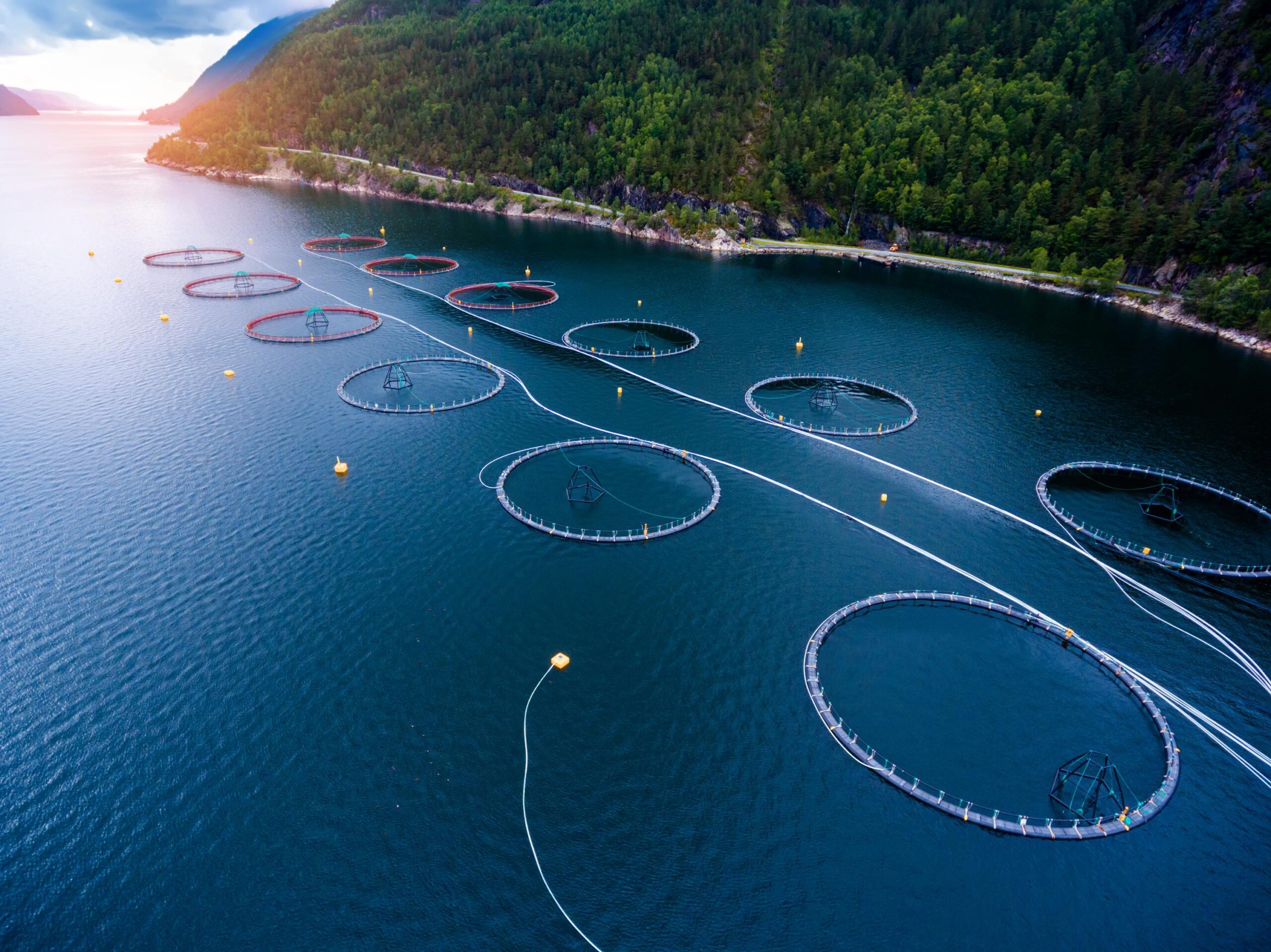
Under the project, the partners will develop a robust, resident drone solution with the initial focus on the aquaculture industry. The system will be designed to remain underwater for months at a time and perform daily data sweeps, providing farmers with up-to-date comprehensive condition monitoring of its operations remotely.
Igor Martin, the CEO of Hydromea, said: “With the ongoing move to automation of offshore energy operations and projected double-digit annual growth rate of the blue ocean economy in the offshore renewables, aquaculture and kelp farming market sectors, the demand for condition monitoring of the underwater assets will explode over the next decade. Building a digital twin of an asset underwater is currently close to impossible. The incumbent technologies are largely developed around defense and offshore oil & gas sectors that can afford the size and cost of complex systems. However, the economics of the upcoming emerging sectors are such that they require robust, lower-cost, and miniaturized continuous monitoring solutions. We are excited to help address this by combining our expertise in portable robotics and underwater communication technology with Unplugged unrivaled expertise in underwater induction technology.”
Thomas Meyer, the COO of Unplugged, added: “We are already a leading induction supplier with large AUV (autonomous underwater vehicle) players. Through this partnership with Hydromea, we will be addressing the emerging demand for low-footprint drone platforms to provide low-power underwater residency. Such a platform will enable the harvesting and transfer of data, establishing collaborative communication links between sensors, infrastructure, and larger vehicles. All this in a continuous remote operation without the need to engage a surface vessel. This shall open up new ways to think about asset condition monitoring and a giant step towards a digital twin capability underwater.”
Hydromea is a Swiss-based underwater robotics and communication company delivering solutions that allow customers to have unparalleled access to subsea data and underwater assets.
Unplugged™ engineers industrial inductive modules delivering reliable and safe wireless power regardless of the environmental conditions. Unplugged™ inductive modules transfer power from 30W to 3kW at water depth reaching 4000 meters.
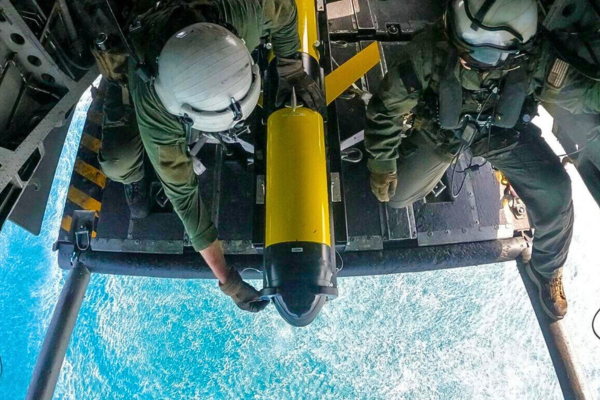
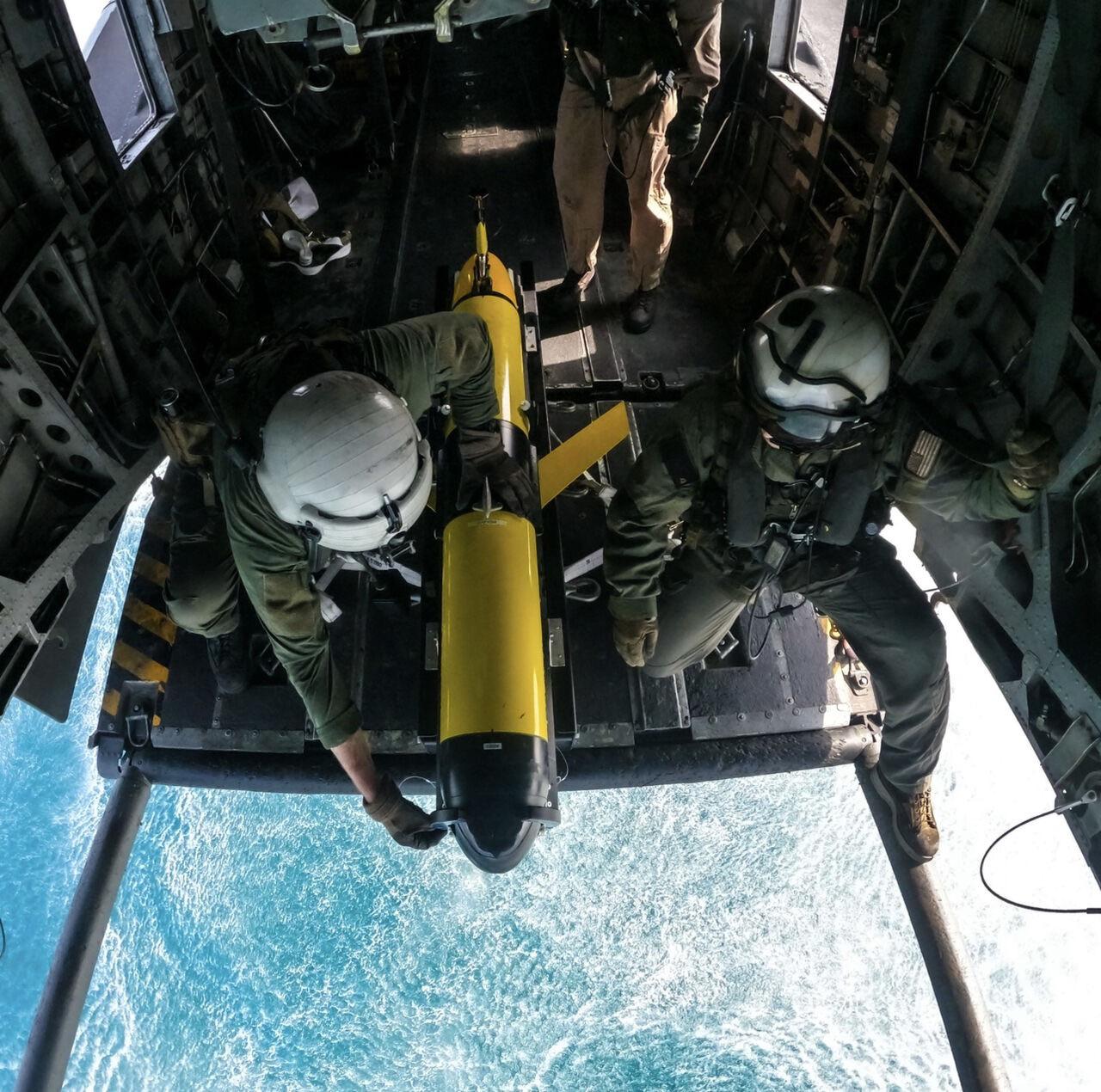
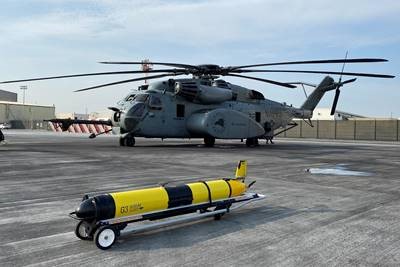
Teledyne Slocum Glider successfully deployed from a U.S. Navy helicopter
Teledyne Marine and the U.S. Navy successfully executed the first-ever undersea glider launch from a helicopter and the first-ever successful deployment from an aircraft. The Teledyne-owned Slocum glider, configured with Littoral Battlespace Sensing – Glider (LBS-G) mine countermeasures (MCM) sensors, was launched from the ramp of U.S. Navy helicopter flying “low and slow” over shallow waters. Teledyne Marine provided Slocum glider piloting and technical support in theater. "We are excited to be a part of another series of firsts! In this instance, the first launch from a helicopter and the first-ever successful glider deployment from an aircraft. Teledyne Marine takes pride in our continued innovation and support of the U.S. Navy as it expands the operational envelope of underwater gliders." said Dr. Thomas Altshuler, Senior Vice President, Global Maritime Defense Strategy and Business Development Teledyne Technologies.
The Mine Countermeasure (MCM) Commander now has the capability for rapid and widespread glider deployment by Task Force elements under direct, tactical control, eliminating the dependency on strategically tasked oceanographic ships. The gliders provide critical environmental information to optimize acoustic and optical MCM sensor performance. This constitutes a revolution in MCM decision support.
The Teledyne Slocum glider is a long-endurance, autonomous undersea vehicle (AUV) used for multiple persistent operational missions, including oceanographic data collection. Teledyne has delivered over 1,000 Slocum gliders to a global customer base. The Slocum glider is the backbone of the US Navy LBS-G program, with over 210 delivered since 2009. The Naval Oceanographic Office (NAVOCEANO) pilots the LBS gliders and includes collected data supporting Navy operations. Until this successful helicopter deployment, LBS gliders were almost exclusively launched and recovered by the T-AGS 60 class multi-mission ocean survey ships.
Ocean Business 2023 back with a bang!
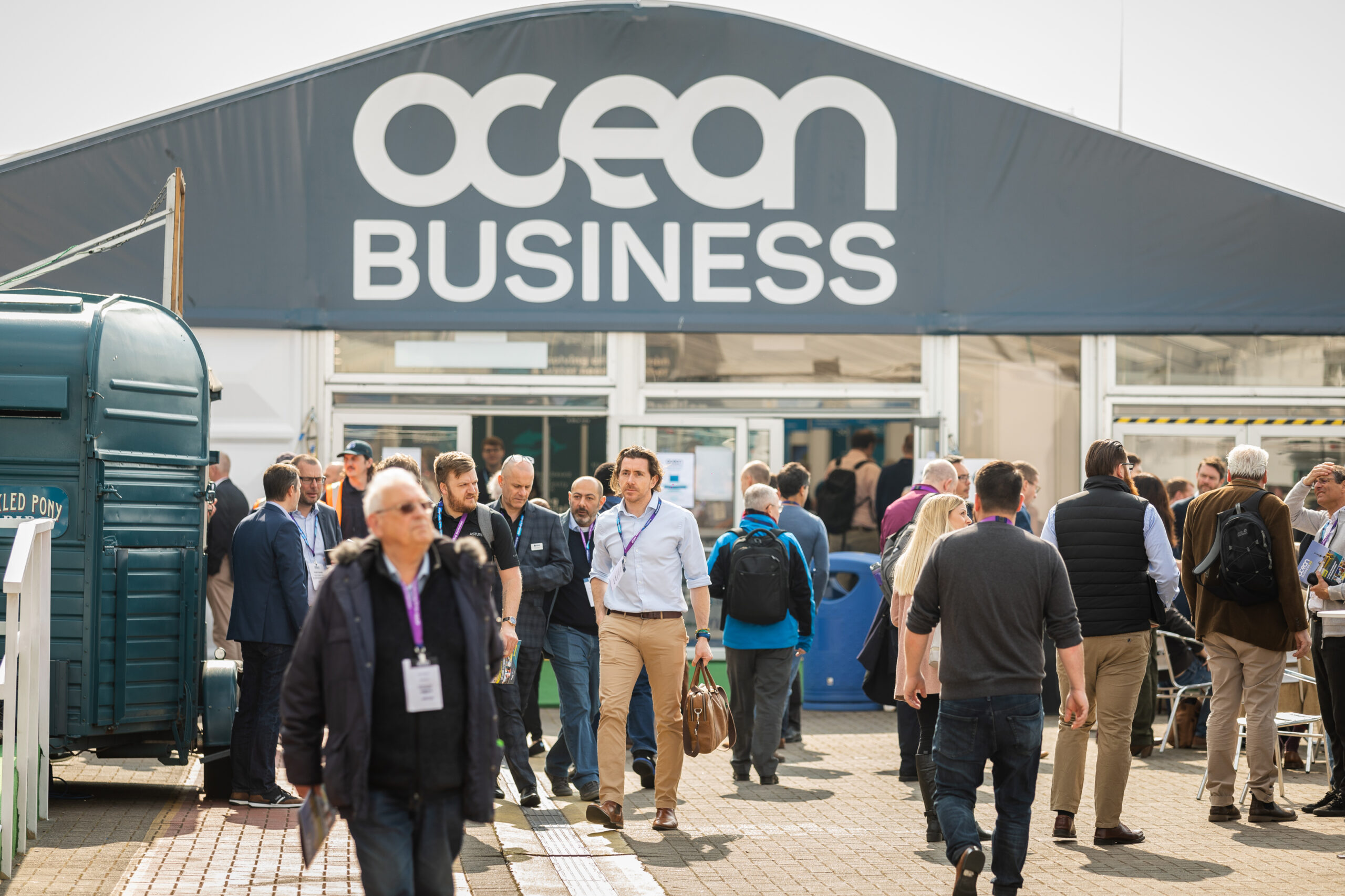
Ocean science and technology experts from around the world descended on Southampton last week for the biggest ever Ocean Business exhibition and conference.
Record crowds of more than 5,000 gathered at the National Oceanography Centre (NOC) for three days of ground-breaking innovation, exciting product launches and quayside demonstrations as Ocean Business 2023 welcomed visitors from more than 80 countries to the Solent.
Returning to its spring slot post-Covid, Ocean Business – last staged in autumn 2021 – saw 300 exhibitors, nearly 150 hours of live demonstrations, and a thought-provoking conference programme, reuniting an international roll-call of technology pioneers, game-changing manufacturers and innovative service providers.
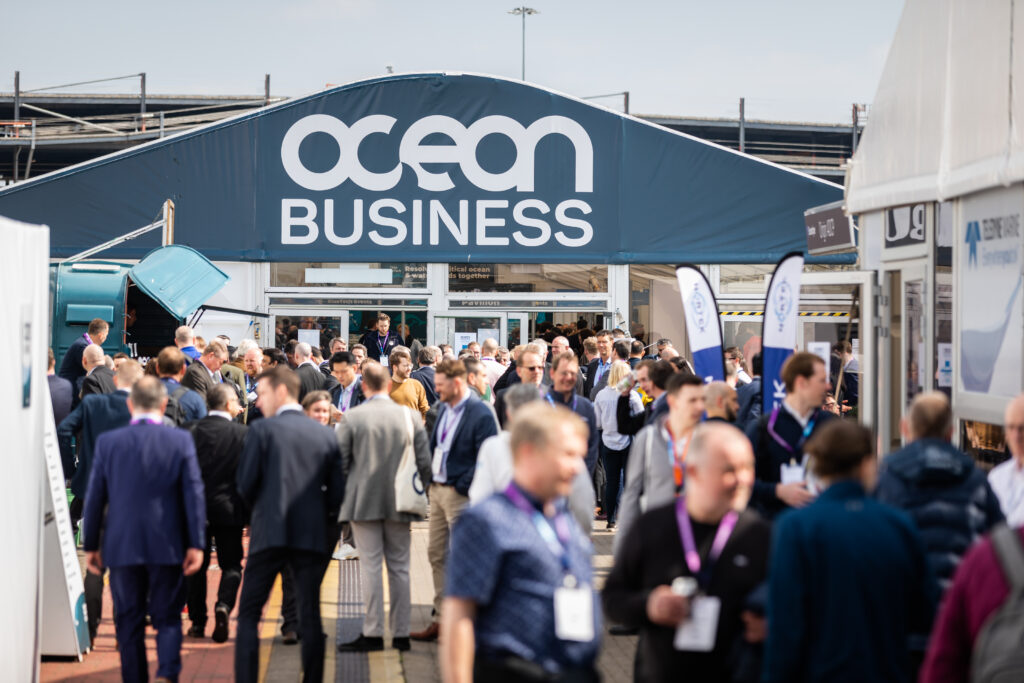
Show organiser Cheri Arvonio said this year’s event had exceeded all expectations and the feedback from participants had been fantastic.
‘The stars were aligned for this year’s show and it was wonderful to see so many friends, Ocean Business regulars and, since we last got together, an emerging generation of innovators.
‘Exhibitors reported brisk business, renewing old acquaintances and forging new friendships, and many of the classroom sessions and dockside demonstrations were packed out. People were evidently enjoying meeting up, inside and outside the main exhibition spaces. Even the sun shone for most of the week!’
Ever more sophisticated robotics were on display in the water, with all-day ROV demonstrations highlighting the rapid pace of development in the industry.
Robosys Automation demonstrated its AI solutions for future shipping; Chelsea Technologies presented LabSTAF, its instrumentation measuring phytoplankton primary productivity, on board Callista, NOC’s purpose-built research vessel; and Maritime Robotics staged separate demos of its Otter Pro USV with Kongsberg, Teledyne and Norbit multibeam systems.
Kongsberg’s Richard Mills said collaboration in the sector was key: ‘We have to work together because there is no one company that can do everything.’
On the first day of the show, Kongsberg unveiled its new business, Kongsberg Discovery, dedicated to delivering advanced ocean robotics and sensor technology.
Mills, head of sales and marketing for the Americas, said there had been ‘a really positive response’ to the new venture and its branding, the result of an in-house competition.
‘We wanted a name that says what we do but doesn’t limit us. It’s all about exploration and finding out new ways of doing things, new technologies, new information.’
As always, Ocean Business provided a platform for product launches, among them Valeport’s SWiFT profiler, which can measure depths of 6,000m; Blue Robotics’ BlueBoat USV, described as ‘the planet’s most affordable robotic surface vessel’; and Sonardyne’s next stage Acoustic Doppler Current Profilers (ADCPs), with integrated modem for communications and positioning.
Sonardyne’s Tom Bennetts said the new ADCPs were a significant advance in ocean current profiling technology, analysing data in real time: ‘Now we can talk to the ADCP when it’s on the seabed and check it’s collecting the right data.’
New partnerships formed at Ocean Business 2023 included Saildrone, a leading provider of USVs, and Nippon backed Seabed 2030, which signed an MOU to collaborate on the effort to map the entire ocean floor.
Steve Hall of Seabed 2030 said, with 23.4% of the ocean mapped by last year, Saildrone’s long-range uncrewed ocean mapping operations would help fill the gaps in global knowledge.
‘There’s a marriage of robotic technology with traditional methods. Saildrone vessels let the wind do the propulsion so they don’t waste battery power, and therefore can go for weeks at a time.’
Over at the Canada pavilion, Nova Scotia based Dartmouth Ocean Technologies (DOT), a manufacturer of oceanographic instruments, announced a new partnership with NatureMetrics, a nature intelligence and environmental DNA company.
Cathy Williams, at the Atlantic Canada Opportunities Agency, said 16 Canadian companies were represented on the stand: ‘We’re thrilled to be back here again, the traffic has been amazing and our companies are elated with the quality of the attendance.’
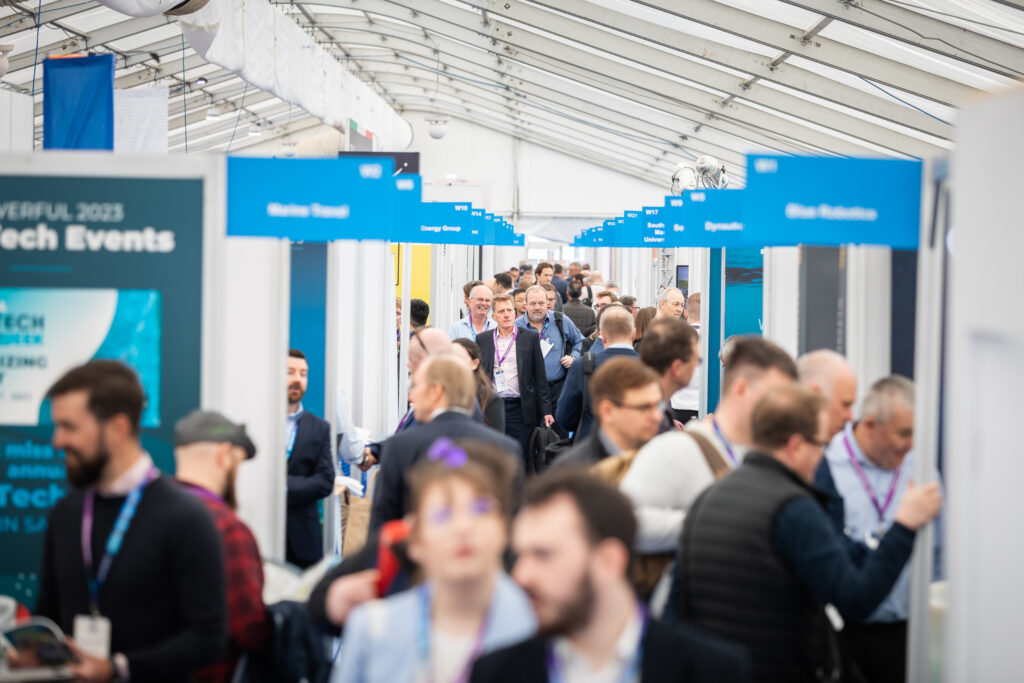
Facilitating future business relationships, Innovate UK Edge hosted the popular B2B matchmaking event, the biggest to date, said organiser Tim Benzie.
‘It’s a different way of networking, like speed dating, with plenty of CEOs and MDs participating. It gives busy people a chance to sit down together away from the exhibition floor.’
Alongside the exhibition and demonstrations, speakers and expert panels drawn from across the sector shared ideas to help shape the future of ocean technology.
PopEye Labs’ team of five from the University of Pennsylvania flew in on the Red Eye to present their breakthrough technology, the first step towards autonomous anchoring for large commercial vessels. Afterwards, they said they were approached by ‘a variety of industry experts’ expressing an interest, making the trip well worth the effort.
And the Society for Underwater Technology, which hosted a ‘Routes for Innovation in the Defence Market’ session, said: ‘It was inspiring to see such a diverse group of professionals coming together to explore and discuss the latest trends and opportunities in the subsea defence industry.’
Helping make Ocean Business a success was the Society of Marine Industries (SMI), whose team and members had ‘a highly productive week’, according to SMI’s Emma Johnson.
‘SMI is proud to support such a brilliant marine science and technology show, it was great to be able to catch up with members and meet many potential new members too. The quality of the visitors was great and the buzz is certainly back – bring on 2025!’
Phil Bishop, head of commercial development at NOC, said it had been a pleasure to welcome the thousands of visitors to the National Oceanography Centre.
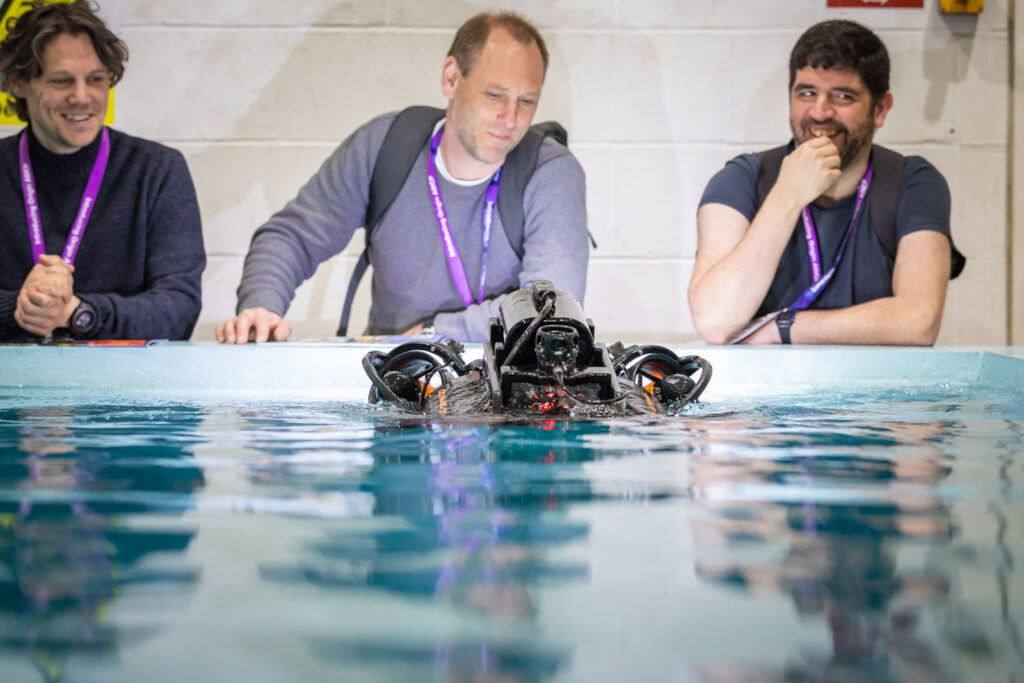
‘As well as discovering the latest developments in the ocean technology field, Ocean Business is one of the most vibrant industry networking opportunities of the year. We were particularly pleased this year to host our NOC Innovations conference, giving us the opportunity to present the cutting-edge insights and technology being developed by researchers and engineers here at NOC, and their ongoing impact in the real world.
‘There has been an incredible amount of excitement and activity throughout all three days of the event and we are already looking forward to Ocean Business returning to NOC in 2025.’
And Tim Minshull, chairing MARELEC 2023, the international conference on marine electromagnetics, held in conjunction with Ocean Business for the first time, said they had seen a wide range of ‘excellent presentations’.
‘It brought together a diverse group of researchers and technologists from across the UK, Europe, the US and elsewhere who are unlikely to meet each other in any other venue.’
Ocean Business 2025 will take place at the National Oceanography Centre, Southampton, from April 8-10. Save the date!
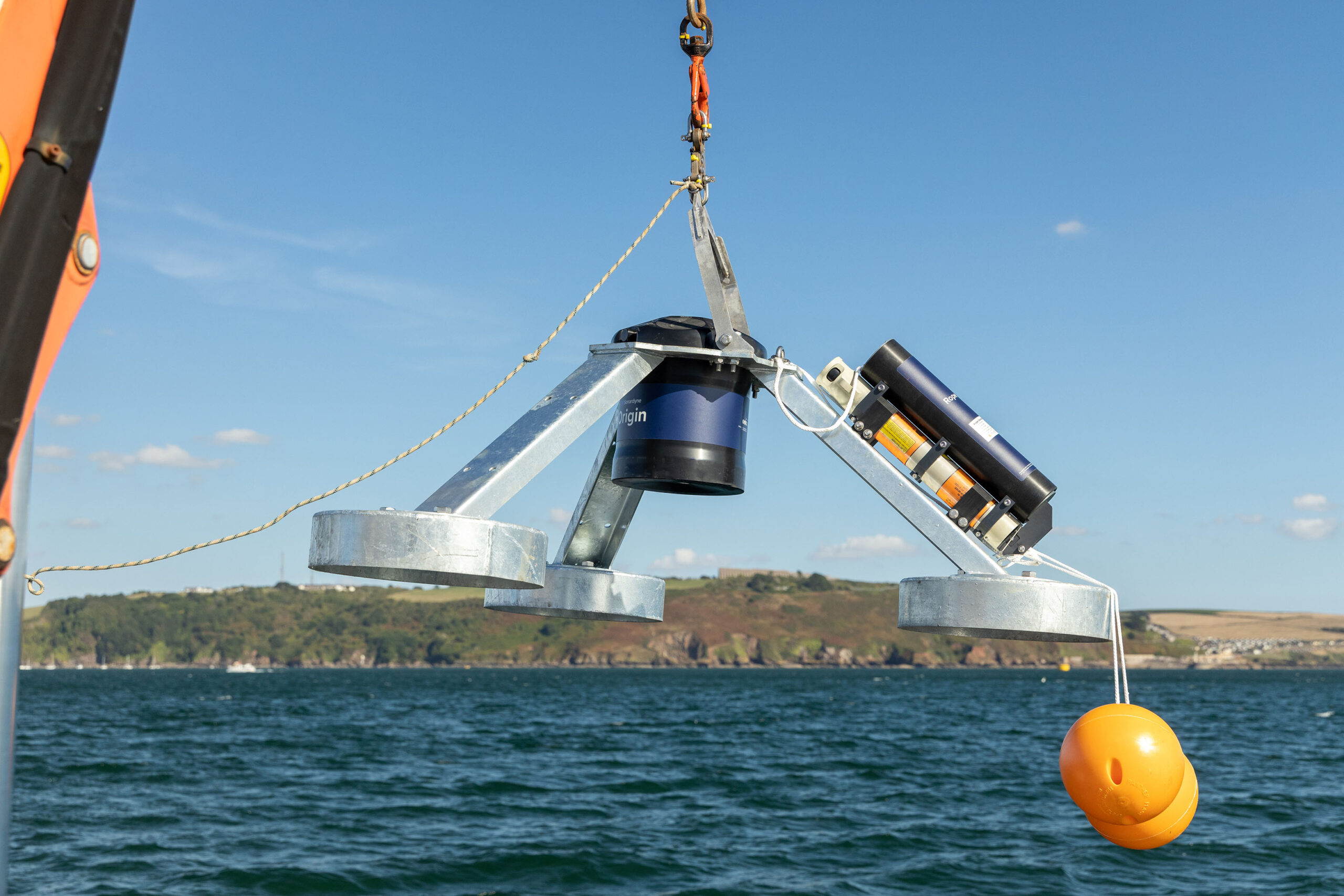
Sonardyne launches new Origin ADCPs for intelligent operations
Sonardyne, a leading provider of underwater acoustic technology, announced the launch of its new Origin Acoustic Doppler Current Profilers (ADCPs). The new ADCPs are designed to be simple to operate with class leading data results, integrated communications and positioning, making it ideal for a wide range of applications, including marine research, offshore renewable energy and defence.
The new Origin ADCPs feature several innovations that make them the most advanced ADCPs available on the market. These include an integrated modem for communications and positioning, new Edge processing capability and ecosystem where you can write your own apps for your projects. As well as the industry standard PD0, our new and exclusive A-gram and B-gram proprietary data formats offer up to ten times greater spatial resolution producing astonishing data sets.
There are two introductions for the new Origin ADCP family:
• Origin 600 - Origin 600 has a five-beam configuration with a central vertical beam. Paired with a maximum sampling frequency of 4Hz on all beams, it’s suitable for waves and turbulence applications, as well as mean currents. Combining field proven transducers with an integrated modem, internal rechargeable battery and Edge processing, Origin 600 expands ADCP capability for acquiring mid-range current profiles.
• Origin 65 - Origin 65 boasts a unique acoustic design that increases robustness, reduces cost, and all the while maintaining outstanding current profiling performance. The integrated modem allows for remote actions, whilst the PIES functionality delivers high-precision time-of-flight and average in-situ sound velocity data.
“We are excited to launch our new Origin ADCP family at Ocean Business 2023,” said Geraint West, Head of Science at Sonardyne. “This new product represents a significant advance in ocean current profiling technology. It will provide our customers with the highest quality data, specifically tailored to their needs, in the most challenging of environments.”
The new Origin ADCP is available now. For more information, please visit Origin 65 or Origin 600.
Seabed 2030 and Saildrone announce new partnership at Ocean Business
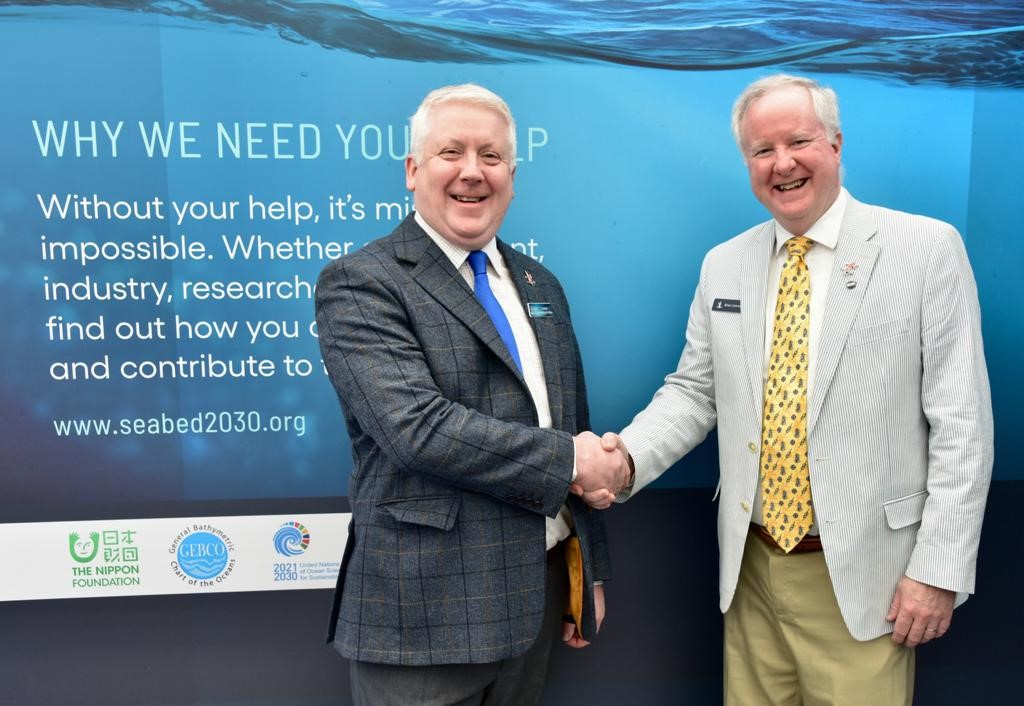
The Nippon Foundation-GEBCO Seabed 2030 Project and Saildrone, a leading provider of unmanned surface vehicles (USVs), have signed a memorandum of understanding (MOU) to collaborate on advancing ocean mapping technology in support of the global effort to map the entire ocean floor.
The two parties formalised the partnership today at Ocean Business, an event connecting thousands of ocean science and technology professionals from across the globe to define the future of ocean technology, in Southampton, UK.
Seabed 2030 is a collaborative project between The Nippon Foundation and GEBCO to inspire the complete mapping of the world's ocean by 2030 and to compile all bathymetric data into the freely available GEBCO Ocean Map - it is also a formally endorsed Decade Action of the UN Ocean Decade. GEBCO is a joint programme of the International Hydrographic Organization (IHO) and the Intergovernmental Oceanographic Commission (IOC), and is the only organisation with a mandate to map the entire ocean floor.
Based in the US, Saildrone is a pioneer of autonomous surface vehicles. Its global fleet of wind and solar-powered ocean drones monitors the planet in real time, both above and below the surface. Saildrone vehicles have spent almost 25,000 days at sea collecting vital data that is invaluable to the global pursuit of a complete map of the seabed.
In 2021 Saildrone’s flagship USV - Saildrone Surveyor - mapped 11,800 square kilometres of the seafloor during its maiden voyage from San Francisco to Honolulu. More recently it mapped more than 45,000 square kilometres of previously unexplored ocean floor during a months-long survey around Alaska’s Aleutian Islands and off the coast of California. The use of renewable wind and solar energy as its primary power source makes the Saildrone Surveyor extremely capable of long-endurance, uncrewed ocean mapping operations, as well as optimising it for deep-ocean mapping.
"We can only realise our goal of a complete map of the ocean floor if we mobilise the international community and work together,” said Jamie McMichael-Phillips, Project Director of Seabed 2030. “We are therefore delighted to partner with Saildrone and leverage their expertise in unmanned surface vehicles for ocean mapping.
“The capabilities of Saildrone’s fleet will greatly enhance our ability to obtain essential data and increase our understanding of the ocean. Allowing us, in turn, to make informed and impactful decisions with regard to the future of the planet.”
“Saildrone’s vision is of a healthy ocean and a sustainable planet. A complete map of the ocean floor is fundamental to achieving that vision. We are proud to collaborate with Seabed 2030, to enable the mapping of our entire seabed, for the benefit of the global community,” said Saildrone founder and CEO Richard Jenkins.
All data collected and shared with the Seabed 2030 project is included in the free and publicly available GEBCO global grid.