Royal Navy industry engagement: Mine Hunting Capability programme update - 6 Feb 23.
On Monday 6th February 2023, the Royal Navy, in collaboration with Defence Equipment and Support (DE&S) will host a Mine Hunting Capability (MHC) webinar between 11:00am and 1:00pm. The aim of this event is to engage with industry to provide an update on MOD’s thinking regarding the next phase (Block 2) of the Royal Navy’s successful MHC Block 1 programme, and the opportunity landscape in Block 2 for potential suppliers. Industry feedback from this event and subsequent engagements will also be used to shape and refine MHC programme plans and procurement strategy.
Attendees will gain an understanding of the RN’s requirements for mine countermeasures and their strategic context, the progress achieved across MHC Block 1 (leading to planned deployment) and in the accompanying Operational Evaluation, and the plans for development, fielding and scaling in Block 2. There will also be early visibility of the plan to establish a new Maritime Autonomous Systems Centre of Expertise (MASCoE), anchored in DE&S Ships, but operating across MOD, and its role in enabling programmes such as MHC.
Building on earlier engagements as part of Block 1 of the programme, it is anticipated that this will be the first in a number of events over the coming months and years. The event will facilitate information sharing and discussion at the Official level only and there are no nationality requirements for the webinar.
There will be no charge for attendance at the webinar and capacity is not limited; The Royal Navy and DE&S are keen to see representation from across Defence and from those in adjacent sectors operating in the underwater environment, including those entirely new to Defence. Registration will close at midday 1st February 2023.
For the avoidance of doubt, this is an information opportunity only. Neither the presentation nor discussions constitute any form of commitment and will not act as any form of pre-qualification exercise. Any formal procurement process will – if pursued – be undertaken in accordance with MoD procurement policy and procedures and the relevant Procurement Regulations. Nothing in the event or any other engagements with Industry prior to a formal procurement process, shall be construed as a representation as to the Authority’s ultimate decision in relation to any future requirement.
Registration can be completed via this form. If you have any questions about the event, please contact [email protected]. Please do not contact individual RN or DE&S personnel directly about the event.

Global Maritime Geosciences launches Irish Celtic Sea Seabed Intelligence Report
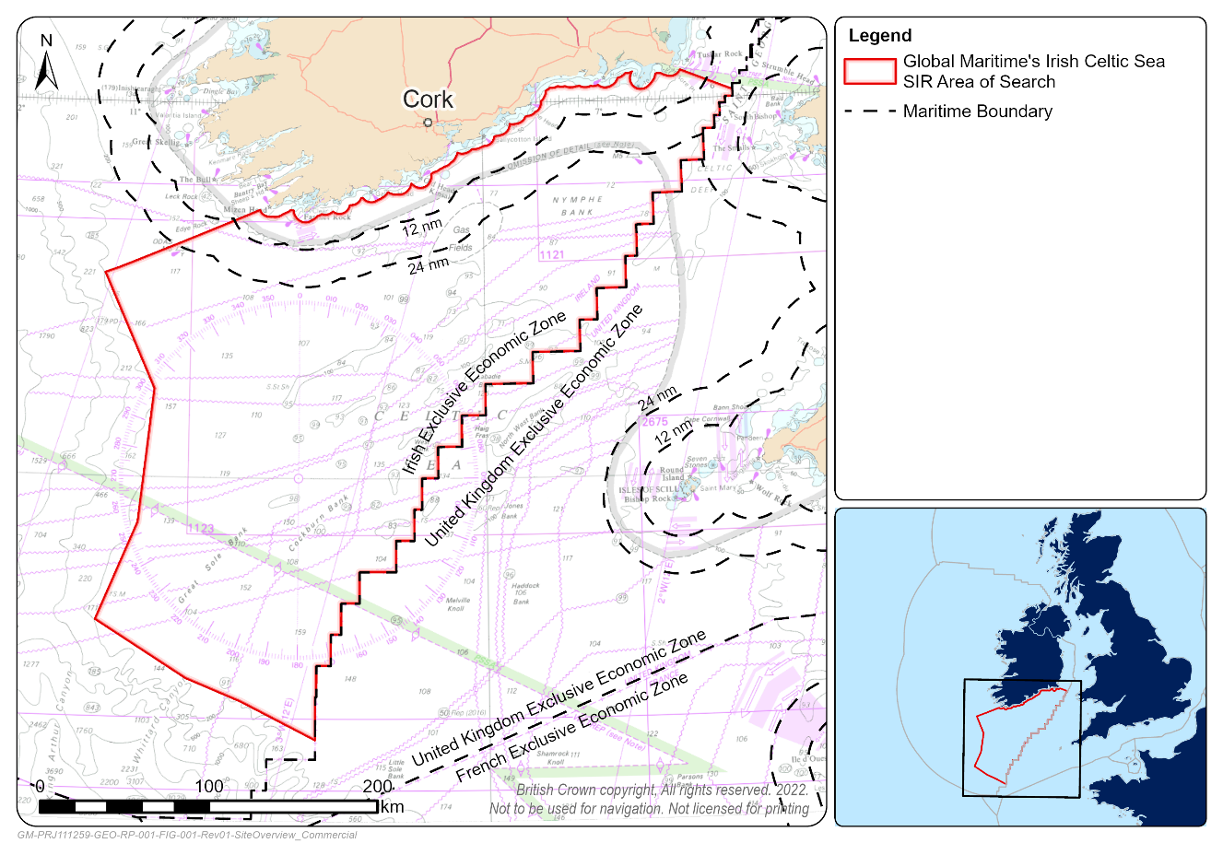
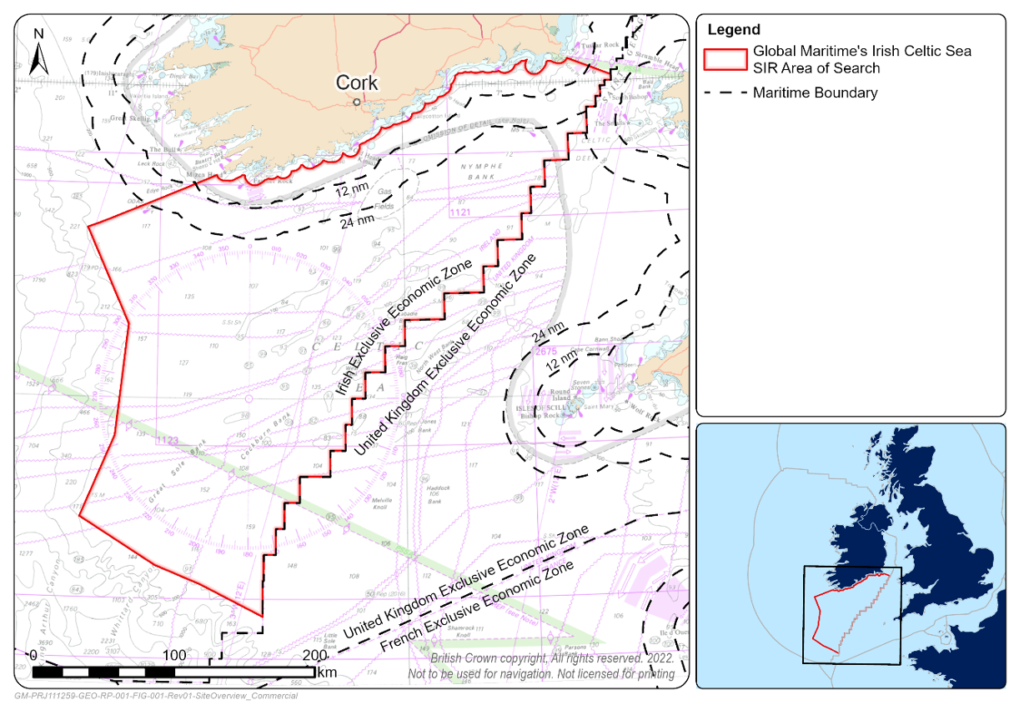
Following the success of the UK Celtic Sea Seabed Intelligence Report (SIR), Global Maritime’s Geosciences department, GM Geo, has launched a geological, geohazard and geotechnical desktop study covering the Irish Celtic Sea. The SIR is a valuable source of information for developers with existing project boundaries in early development and for those seeking to identify preferential areas in the Irish Celtic Sea to progress towards Maritime Area Consent in Phase 2.
The SIR investigates seabed conditions across the area of search, identifying principal strata and the suitability/risk implications for the development of floating offshore wind farms whilst subdividing the area of search into provinces of similar geological and geotechnical conditions to be considered in the development and engineering process. Qualitative assessments of risk for different subsea infrastructure are made, and outline risk mitigations provided. The study also considers the implications of existing marine traffic, seabed wrecks, infrastructure, environmental designations and other marine uses on the siting and development of offshore wind projects.
Accompanying the detailed SIR are a series of maps and drawings presenting spatial information and interpretation of conditions across the continental shelf.
Gareth Ellery, Director of Geosciences at Global Maritime, commented: “Ireland’s 7GW offshore wind ambition requires that further project areas are developed, and the Celtic Sea is a great location in terms of resource and constraints. Following the success of our initial SIR product and our live projects in Ireland, we’re pleased to be further supporting Ireland’s offshore wind journey with this latest SIR. Being proactive in this manner means that our clients can have access to high quality seabed intelligence to inform their leasing and development approach, whilst saving huge amounts of time and expense in the conventional RfP procurement process.”
Michele Martins, Global Maritime’s Geophysical Lead, commented: “The acceleration of the Irish offshore wind industry presents great opportunity, but identifying suitable lease areas remains key with high constraints on the east coast and difficult metocean and seabed conditions on the west. The Celtic Sea has great potential but there is a significant degree of variability in geological conditions and some substantial risks which must be carefully considered by developers. Our study gives our clients the insight to make that possible.”
Parties interested in acquiring our Irish Celtic Sea SIR should contact Gareth Ellery at [email protected].
Countdown to Ocean Business 2023 as registration opens
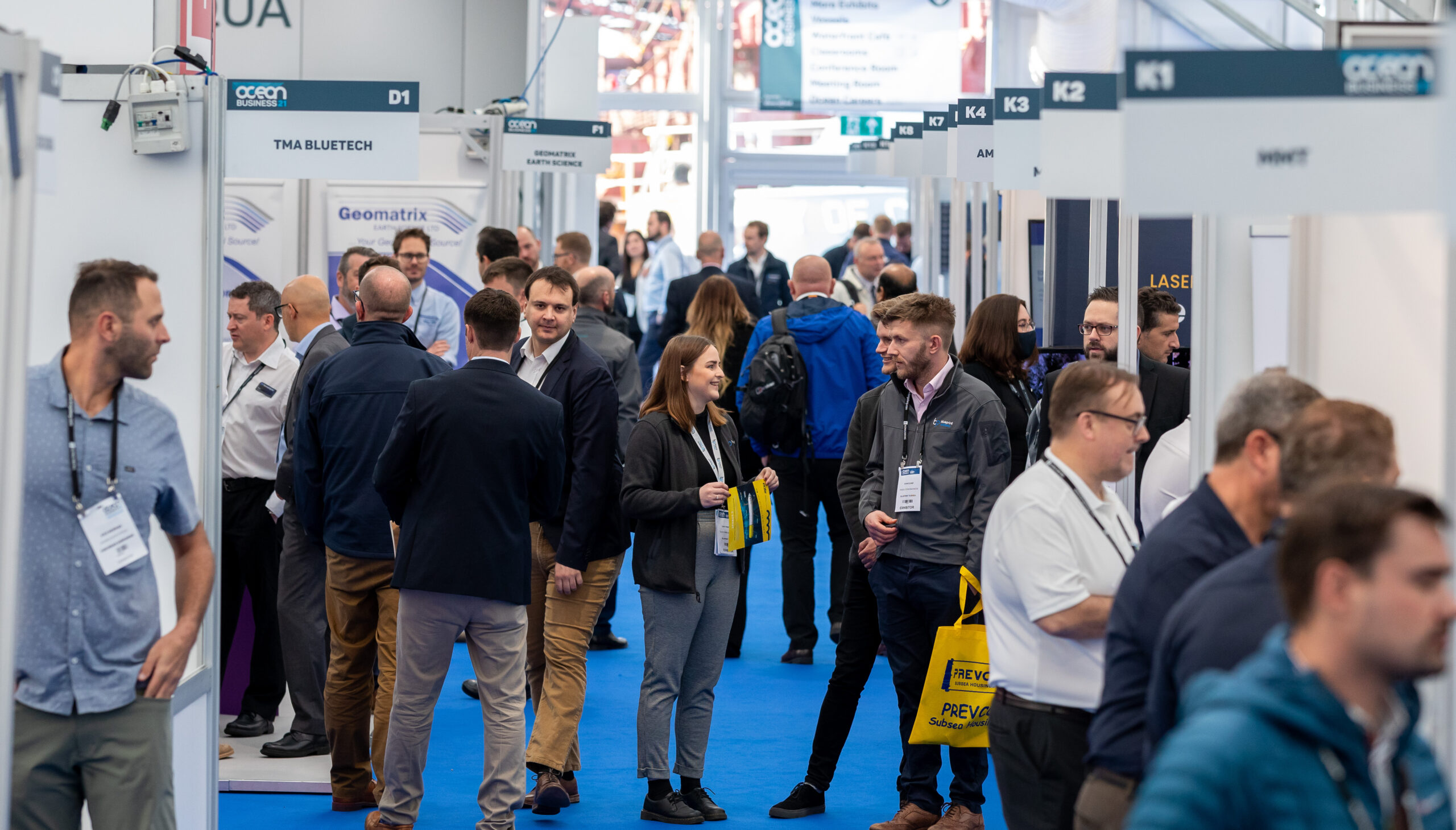
Registration is now open for Ocean Business 2023, the global technology and science exhibition for marine industries.
The three-day event, which runs from April 18-20 at the National Oceanography Centre in Southampton, is open to all visitors for free by registering online at www.oceanbusiness.com.
With more than 300 manufacturers and service providers already booked for the sold-out exhibition, this year’s Ocean Business promises to attract record crowds from around the world, offering unrivalled networking opportunities.
The Training and Demonstration programme - featuring 130-plus hours of new technologies demonstrated in the dockside waters, onboard vessels and in the classroom - is also now live and can be viewed on the Ocean Business website.
The sessions will allow visitors to see tomorrow’s world today and meet the experts behind cutting-edge technology in an ocean environment.
Highlights include the latest in autonomous vehicle underwater monitoring from EvoLogics; next generation ROVs from international innovators such as Saab Seaeye, Oceanbotics and Deep Trekker; Maritime Robotics’ collision avoidance systems; and ground-breaking advances in AUV technology from Singapore’s BeeX, with a vehicle that can autonomously inspect platform structures using a positioning system from UK company Sonardyne.
Inside the exhibition, visitors will be able to see pioneering developments across the ocean technology sector and find solutions to shape the future of their business.
Key industry players, including Teledyne Marine, Kongsberg Marine, Planet Ocean, and AAE Technologies, among many others, will be out in force this year, showcasing products and services, all with a focus on fast changing technology.
Ocean Business 2023 will also host a one-day, free-to-attend conference – on top of a series of associated, on-site meetings - with a line-up of the industry’s brightest minds addressing the key issues of the day.
And, for the first time, the world’s only conference dedicated to marine electromagnetics – MARELEC - will run alongside Ocean Business. Delegates will hear from eminent scientists, engineers and academics of the progress made in the past four years in the fields of geophysics, geotechnical engineering, oceanography and naval warfare.
And the Ocean Careers programme is back, offering students a chance to connect with potential employers and gain valuable insights from industry professionals.
Cheri Arvonio, Event Director at show organiser Diversified Communications, said Ocean Business offered an unbeatable backdrop for doing business, hearing industry updates and sharing ideas.
‘As the countdown begins to Ocean Business 2023, we look forward to welcoming the international ocean business community back to Southampton in April. We are delighted with the response from exhibitors and we have high hopes that this enthusiasm will be matched by registrations.
‘Ocean Business provides a platform to forge relationships and grow your business network and we are confident that this year’s event will mirror the passion, pace and creativity of the sector and live up to its reputation as the perfect meeting place for the ocean industry.’
The Ministry of Defence of Poland procures more GAVIA AUVs from Teledyne Marine
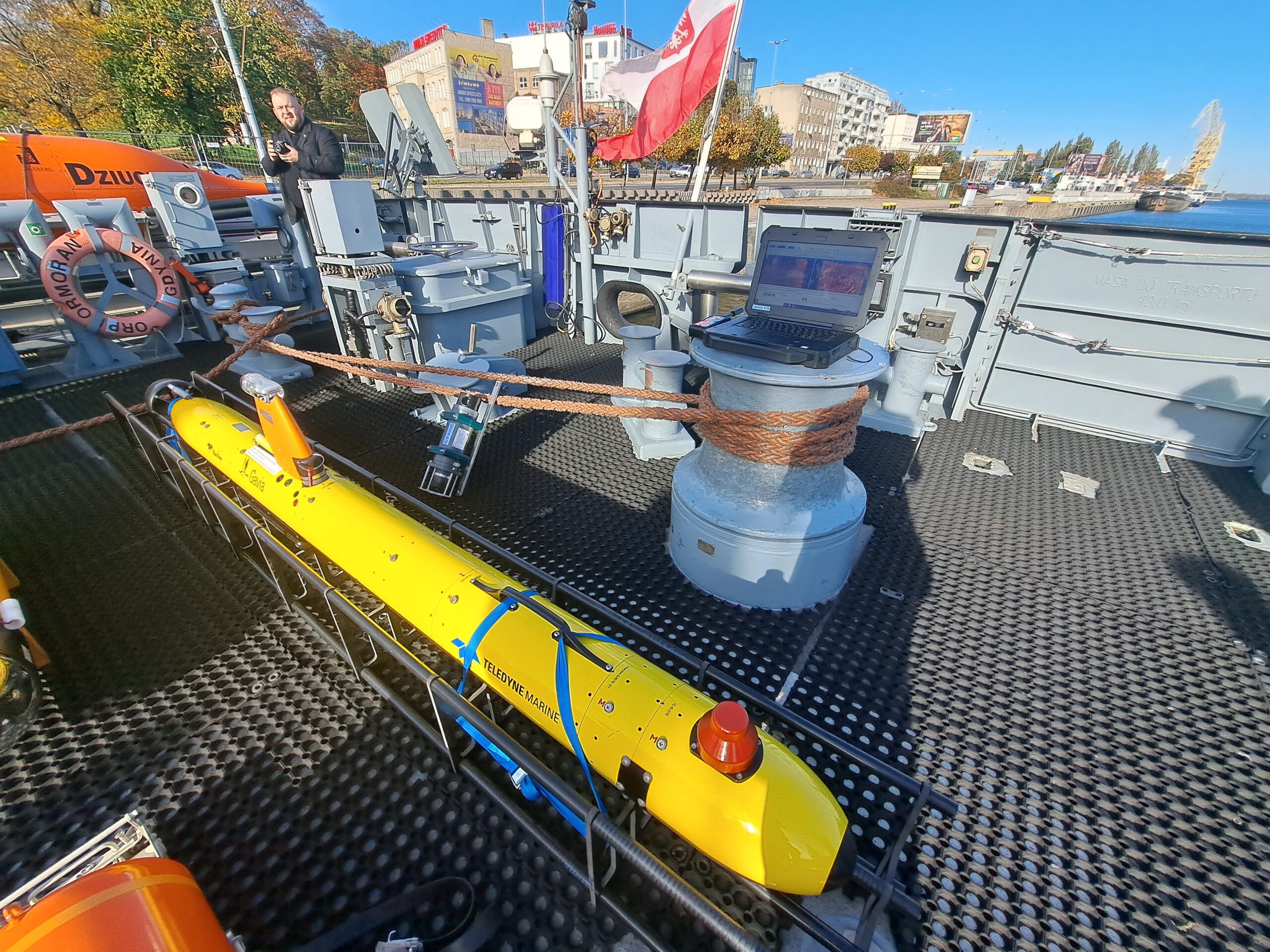
A global leader in the provision of marine unmanned systems, Teledyne Marine – Vehicles announces that the Ministry of Defence of Poland has procured, through Remontowa Shipbuilding three additional GAVIA Autonomous Underwater Vehicles (AUV) for its next batch of Kormoran II Class new MCMVs. The anticipated delivery of three systems will be added to the current GAVIA AUV fleet, which has been successfully operated by the Polish Navy for Naval Mine CounterMeasures (NMCM) since 2015.
To complement the GAVIA AUVs previously procured, the acquisition will include all required topside equipment, as well as the AUV operation and maintenance trainings.
In 2014, Teledyne Gavia completed a competitive tender process for the delivery of the first MCM AUVs for the Polish Navy, winning the contract on the basis of best value with conformance to the required functional and technical requirements. Based on the Polish Navy’s experience, the GAVIA AUV has been selected once again, as the Navy is expanding its fleet of MCMVs.
The GAVIA vehicles will mirror the AUVs previously delivered. The new AUVs will be equipped with the latest EdgeTech 2205 side scan sonars (EdgeTech, West Wareham, MA, USA) and BlueView MB2250 Microbathymetry Module (Teledyne Reson, Denmark), providing simultaneous dual frequency 600 /1600 kHz side scan sonar with gapfill . Inertial navigation will be provided by the PHINS C5 (iXblue, France) inertial navigation system (INS), aided by a 600kHz Pathfinder DVL (Teledyne RDI, CA, USA). Additionally, to enhance interoperability with other systems the AUVs will be equipped with C-Node modems (Kongsberg Maritime, Norway) for USBL tracking from the Kormoran II class MCMVs.
With the imaging and navigation sensors listed above, the AUV will be able to gather high resolution, accurately navigated, sonar images while remaining submerged for several hours of continuous operation at survey speeds up to five knots. Each GAVIA AUV will be delivered with several field-replaceable battery modules (Teledyne Energy Systems, USA). The combination of sensors ensures that the GAVIA AUV is ideal for mine countermeasures (MCM), as well as search and salvage operations, in continental-shelf waters and beyond. Future addition of a Reson T20 Multibeam Echosounder will provide expanded capability for pipeline tracking and inspection of critical infrastructure.GAVIA AUVs in Poland continue to be supported locally through Enamor Ltd (Gdynia, Poland), Teledyne Gavia’s official representative in Poland. Enamor is a research and production company focused on new technology and active in many projects in Poland in the fields of navigation, communication, hydrography and automation.
Maciej Rek, CEO, stated, "Over the years, Teledyne Gavia and Enamor have formed a strong relationship based on the success of the Gavia AUV in Poland, as well as the local support that has been provided by Enamor.”
Valentin Hanns, Director of Sales – EMEA at Teledyne Marine, said, "We are very excited to see the continued success of the Polish Navy with the use of the GAVIA AUV. The GAVIA AUV operational flexibility, the ease of through-life support, and modular upgrade paths have really contributed to the suitability of this AUV for addressing a variety of critical defense challenges."
The GAVIA AUV has a low-logistics, fully modular design. The design facilitates rapid transport and maintenance, while it is also designed to increase operational availability and reliability. Each GAVIA AUV can also be equipped with a variety of additional sensor modules at the time of initial purchase or at a later date. This versatility creates an asset which can be configured for MCM, search & salvage or hydrography missions, without needing to be dedicated to just one task. In the future, the AUVs delivered in Poland can be equipped with modules for multi-beam bathymetry, sub-bottom profiling, or even submarine emulator sonar training targets, without returning any of the equipment back to the manufacturer.
Expansion in Poland is a significant milestone for the GAVIA AUV user community, as it demonstrated the confidence of GAVIA AUVs for MCM by the Armed Forces of Poland. Previous knowledge gained from operating the GAVIA AUVs in Poland has helped develop the concept of use of AUVs in the Polish maritime theatre. Significant benefits have been demonstrated with the use of a low-logistics AUV asset that continues to carry out both MCM and hydrography missions.
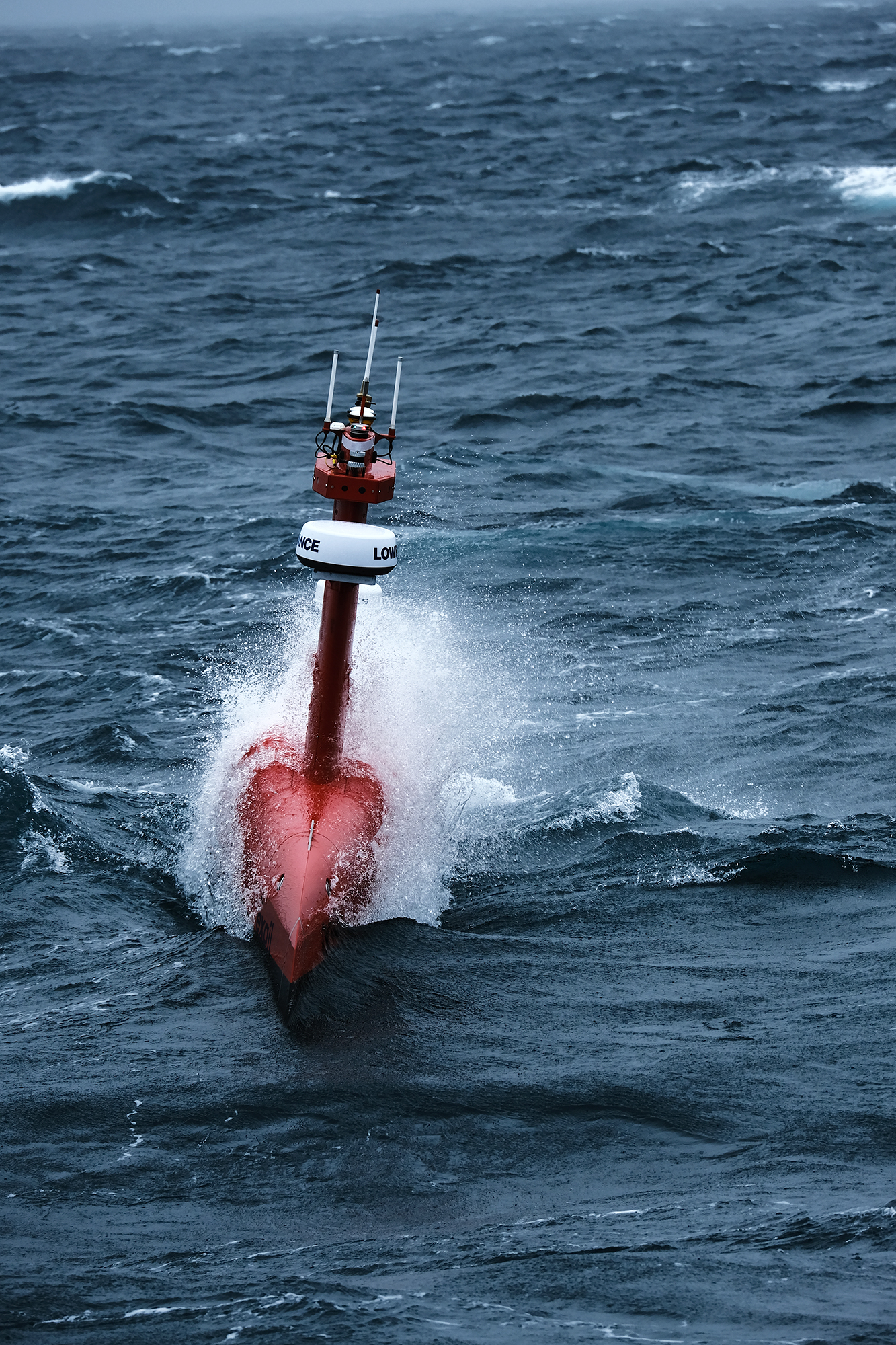
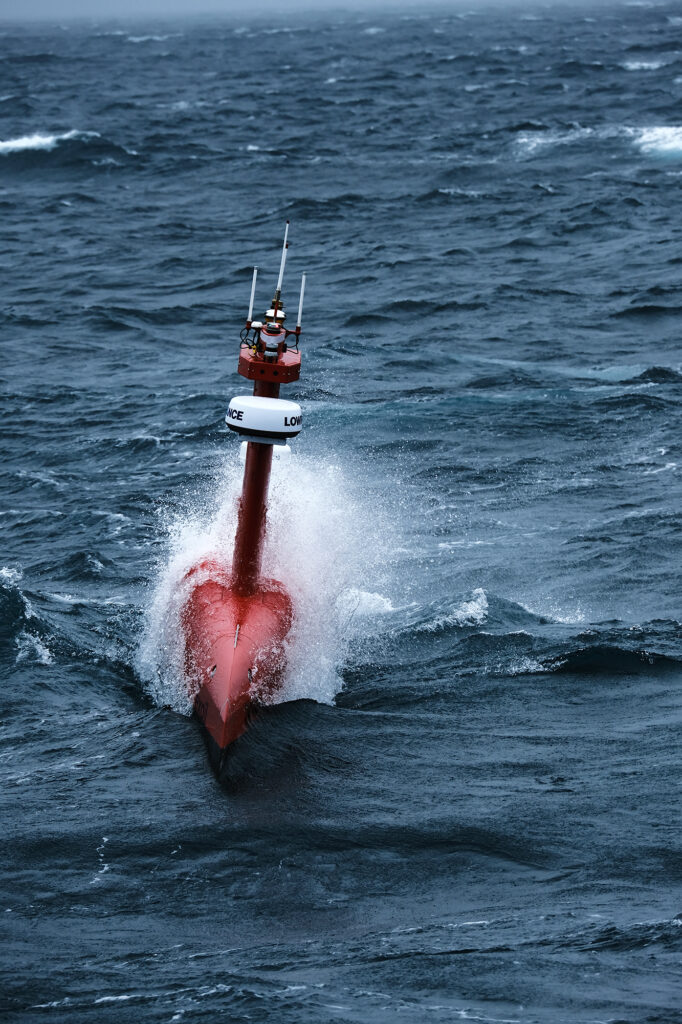
DriX maritime surface drone receives Lloyd’s Register UMS certification
Lloyd’s Register, a leading marine classification society, has awarded its first certification for an Uncrewed Surface Vessel (USV) to the DriX maritime drone. Developed by Exail, a global high-tech company and pioneer in the field of maritime autonomy, the DriX USV is operated by major hydrographic institutes and energy companies worldwide and has already received Bureau Veritas Approval in Principle (AiP).
This new certification attests that the surface drone meets critical safety requirements to be operated at sea. The DriX system design was thoroughly reviewed against the Lloyd’s Register Code for Unmanned Marine Systems. It included a detailed system level analysis, construction survey, as well as sea trials. The review covered essential design area such as structural integrity, stability, as well as command and control in the context of remotely supervised autonomy.
This new certification by Lloyd’s Register is another milestone for the DriX USV and its operators and marks a major step forward in the transition of the maritime industry towards the adoption of new autonomous technologies.
“We are pleased to have been able to work with Exail to provide independent assurance for the DriX system. It’s great to be able to work with a company that is innovative, engaging and committed to responsible deployment of autonomous technologies. The open and collaborative approach our teams adopted made it much easier for us to explore the specific risks associated with the autonomous system and ensure that appropriate and proportionate controls were in place. Consequently, we are able to provide a clear and robust safety argument to regulators, backed by the independent endorsement from Lloyd’s Register,” states Paul James, Naval Centre of Expertise Manager at Lloyd’s Register.
“At Exail, we are closely involved in developing maritime drones’ regulations, trying to raise the standards and acceptance of USVs,” explains Stéphane Vannuffelen, Marine Autonomy Technical Director at Exail. “By working together with class societies such as Lloyd’s Register, that attest of maritime drones’ highest levels of safety and environmental compliance, we aim to demonstrate that autonomous technologies are safe to deploy and operate. Through such collaborations, we hope to be able to help strengthen the global acceptance of maritime drones within our industries, as they support operational efficiency, as well as a safe, sustainable maritime energy transition.”
Seatronics confirms the sale of two MIDS reusable mine disposal systems to Elbit Systems Ltd
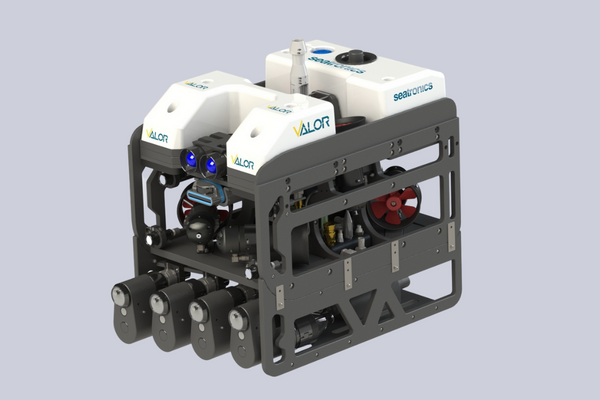
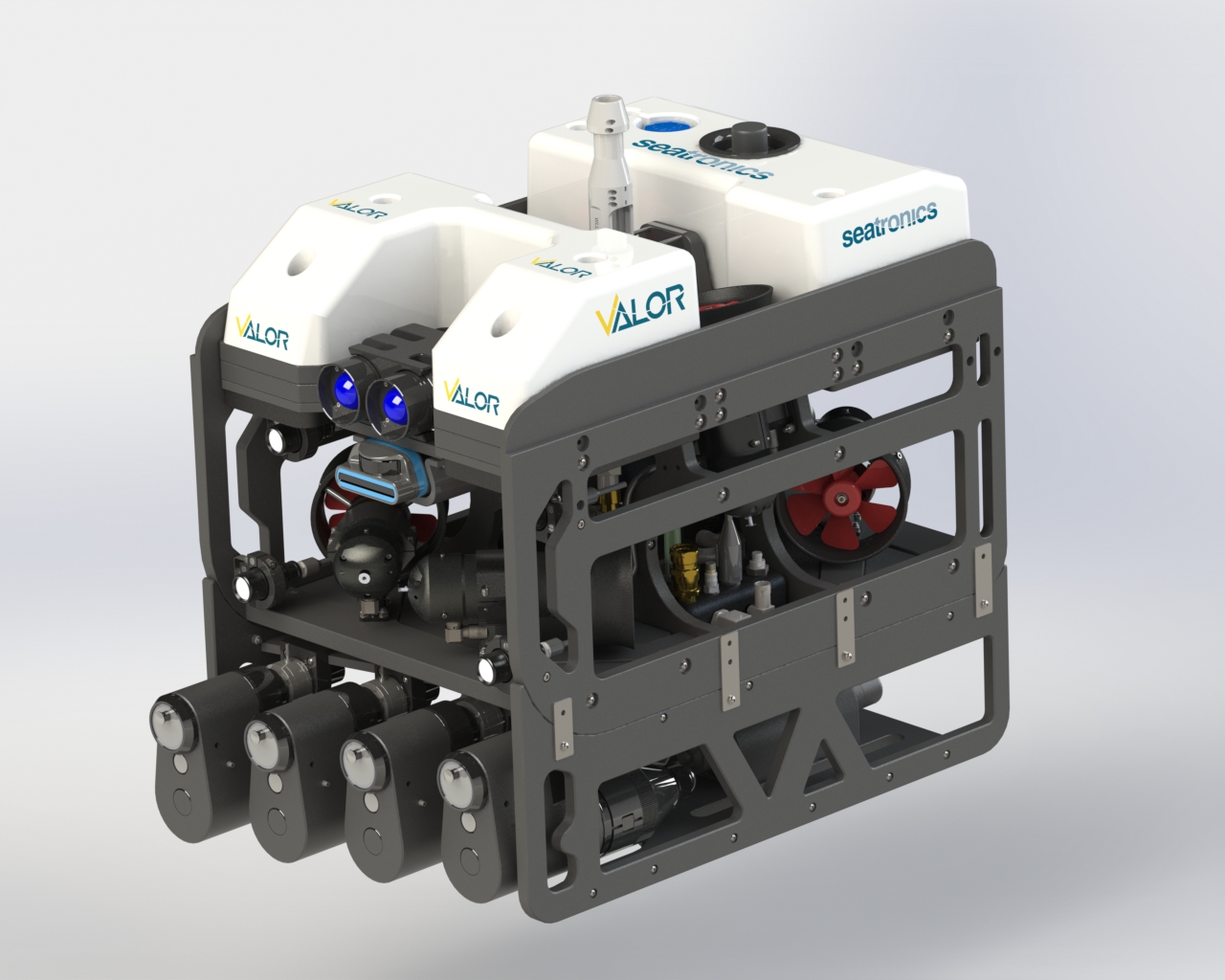
Seatronics, a brand in Acteon’s Data and Robotics Division, has begun the final installation and commissioning phase in the first sale of two Mine Identification and Detonation Solutions (MIDS) to Israeli company Elbit Systems Ltd, one of the world’s largest defence contractors. The MIDS is the first truly multi-shot, configurable mine disposal solution that can detonate multiple charges acoustically, using state-of-the-art technology, without having to sacrifice itself.
Elbit’s cutting-edge Seagull unmanned surface vehicle (USV) has been specifically designed to host a variety of MIDS-related solutions, one of which is the Seatronics MIDS. The Seagull USV is an ideal host platform for remote deployment of the Seatronics MIDS remotely operated vehicle (ROV) using a custom launch and recovery system. The MIDS ROV can be deployed from the Seagull in fully autonomous, semi-autonomous or supervised autonomy operational mode, or operated via satellite link from the mother ship or any other remote location.
The Seatronics MIDS shares several design features with the company’s proven VALOR platform, but also includes a range of highly specific, leading-edge sensors, such as an advanced inertial navigation system and sonar and optics technologies, that are combined within an onboard object classification system that enables the MIDS to accurately detect and classify objects that may be threats. The target classification solution uses a variety of onboard sensory features that use machine learning and AI algorithms to determine whether to categorise seabed and floating items as potential mine or mine-like objects. This information is then seamlessly passed to the command centre, where the decision can be taken whether to neutralise or destroy the target.
The MIDS is currently the only vehicle of its size that can offer a multi-shot capable, multiple charge configuration solution that can be used repeatedly.
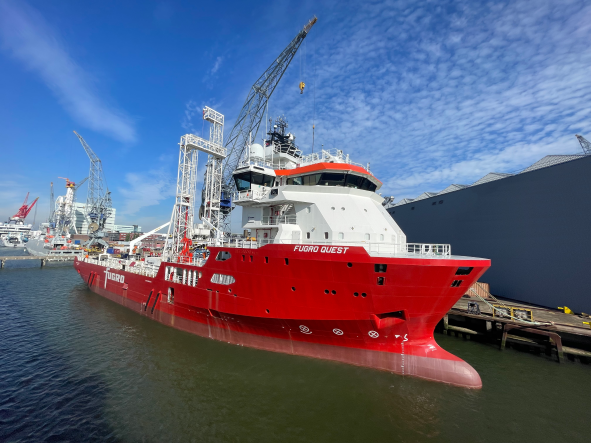
Fugro launches state-of-the art geotechnical vessel for safe and sustainable offshore operations
Fugro Quest, a state-of-the-art vessel equipped with advanced deep-water technology, is the newest addition to Fugro’s geotechnical vessel fleet. Fugro uses this type of vessel to determine the exact composition of the soil; the resulting data are essential to establish the optimal location and design of offshore developments, such as wind farms.
The vessel provides increased personnel and operational safety, whilst its energy efficient design results, on average, in significantly lower fuel consumption than for other geotechnical vessels. Moreover, its ability to take hydrotreated vegetable oil (HVO) biofuel and remote operations and data processing capabilities support sustainable operations.
Today, Barbara Geelen, Fugro’s Chief Financial Officer, will perform the naming ceremony ahead of the vessel’s maiden voyage. The vessel will commence operations in December for Vattenfall's offshore wind farm near Norfolk in the United Kingdom.
Fugro Quest’s capabilities include the acquisition of high-quality geotechnical data from 2,000 metres below sea level. The vessel is equipped with cutting-edge systems and advanced deep-water technology such as WISON® Mk V Ecodrive, SEACALF® Mk V Deep Drive® as well as dedicated coring systems and onboard soil-testing laboratory facilities. Its remote positioning and fast data-processing capabilities enable clients to access acquired project data in near real time from the cloud.
Dennis Koenen, Fugro’s Service Line Director for Geotechnics in Europe and Africa said: “Today’s launch is fully aligned with our path to net zero operations by 2035. Fugro Quest consumes less fuel than other large geotechnical vessels. It is hybrid ready, comes with automatic handling of tubulars and geotechnical tools and has the latest IT capabilities onboard to safely carry out operations across the globe. Bookings until July 2023 are already in place, and we’re excited to show how our new vessel can enhance the execution of our projects.”
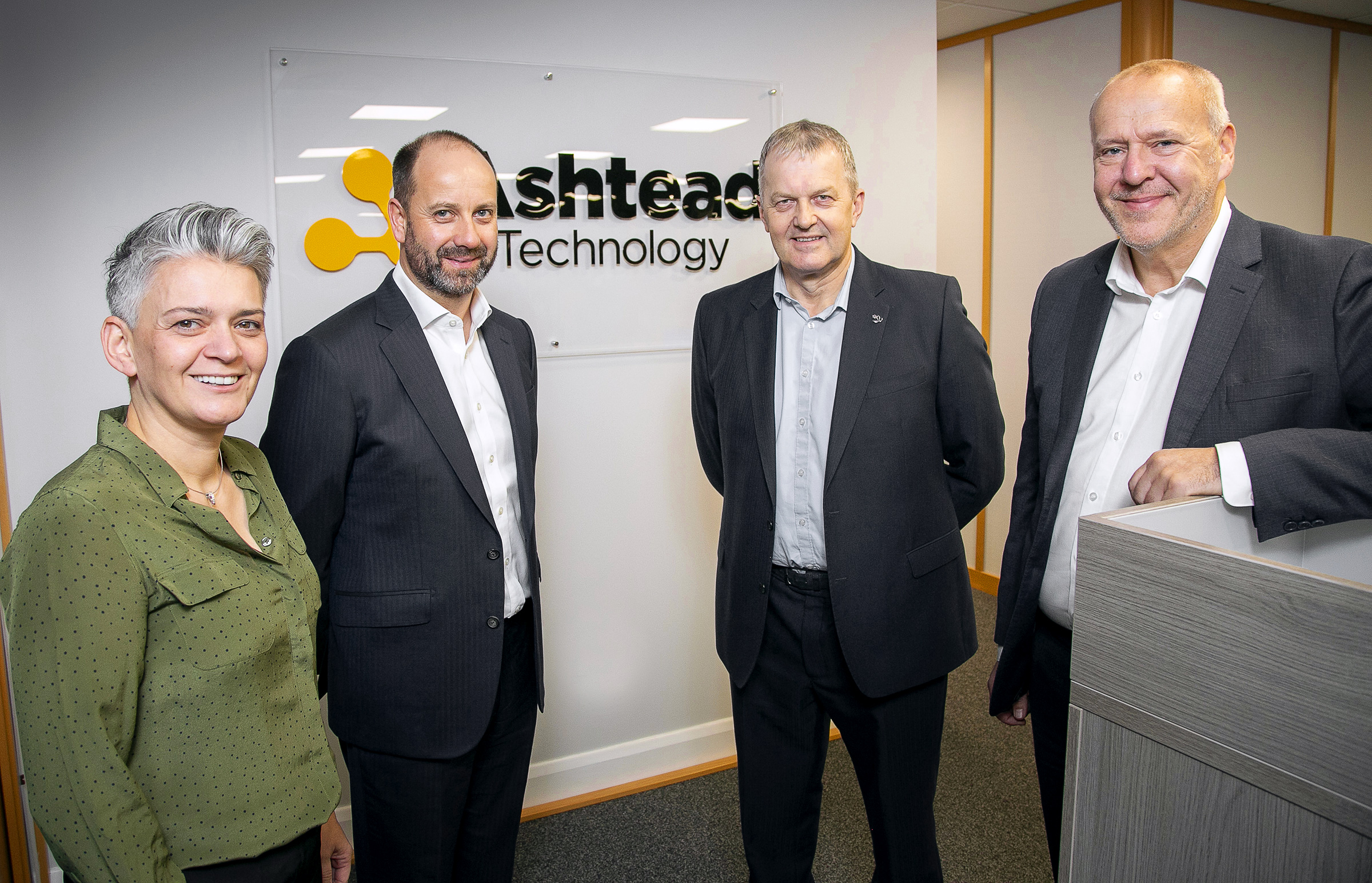
Ashtead Technology acquires Hiretech
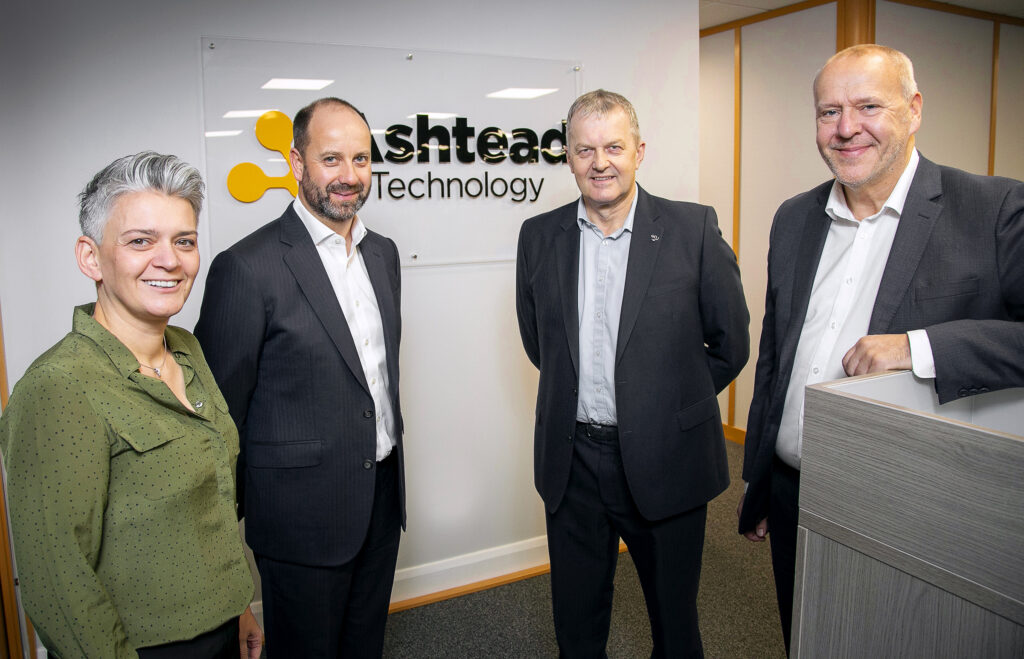
International subsea equipment rental and solutions specialist Ashtead Technology has further expanded its mechanical solutions service offering with the acquisition of Hiretech.
Established in 2011, Hiretech is a management owned, Aberdeenshire-based equipment rental, service and maintenance company serving the international offshore renewables, decommissioning, and conventional energy markets. Through its multi-purpose fleet of marine and subsea equipment rental assets and skilled personnel, the business boasts an excellent offshore renewables and decommissioning-focused support services offering, which the Group will seek to leverage to meet growing global customer demand.
Hiretech is Ashtead Technology’s seventh acquisition in the last five years evidencing a continuation of the organic and inorganic growth strategy set out during its IPO in November 2021 and follows the Group’s acquisition of WeSubsea in September 2022.
Allan Pirie, Ashtead Technology’s CEO, said: “We are delighted to announce the completion of this transaction and welcome new colleagues to the Ashtead Technology team.
“Hiretech has an excellent reputation and strong heritage of delivering high-performance equipment and services to the offshore energy sector and has been a key supplier to Ashtead Technology in recent years. This acquisition provides strong synergies through vertical integration of the supply chain, and meaningfully expands our business by adding complementary capabilities to strengthen our mechanical solutions service line and deliver an enhanced offering to our customers.”
Andy Buchan, Hiretech’s CEO, said: “This is an exciting time for the business. As well as creating a tremendous opportunity for our people, becoming part of the Ashtead Technology Group will enable us to expand our existing capabilities and international footprint. Our customers will now have access to a wider portfolio of products and services, resulting in a far more comprehensive solutions capability.”
IMarEST China Technology Centre opens in Ningbo, China
The Institute for Marine Engineering, Science and Technology (IMarEST) has opened the ‘IMarEST China Technology Centre’ in Ningbo, China. The new centre will support professionalism in the area with access to IMarEST services and events.
Alastair Fischbacher, 119th IMarEST President, says: “This exciting new development is the next step of our Memorandum of Understanding with China Association of National Shipbuilding Industry (CANSI), the Ningbo Municipal Office for Port Services (NBOPS) and Ningbo Municipality Yinzhou District People’s Government. Supporting the maritime profession on a global level and ensuring access to professional development and ongoing training are vital for those who work in the sector.”
The centre was opened with a ceremony at China-UK Maritime Service and Talents Development Cooperation Forum and coincided with the launch of a new partnership between IMarEST and Ningbo Lanzhi, a newly established company with the support from CANSI and other key stakeholders in China. The IMarEST and Ningbo Lanzhi will work closely together to enhance professional standards and internationalisation of people working in the marine and maritime industry in China. As part of the agreement, Lanzhi has developed the Knowledge Marine International; a one-stop portal for marine and maritime professionals which will include the IMarEST’s news and IMarEST TV content.
LI Yanqing, Secretary General of China Association of the National Shipbuilding Industry, says:" Our Knowledge Marine International, will help us combine the knowledge of China's maritime industry, with multiple resources from leading higher education institutions in China and internationally, industry enterprises and the information industry. By doing so, we can build a vocational education system and mechanism that meets the future development requirements of China's maritime industry, support the development of maritime higher education, vocational education and whole-career re-education to enhance the vocational skills, professional competitiveness and career access of practitioners, and help build the talent pool of China's maritime industry."
LI Weijun, Chairman of Ningbo Lanzhi Marine Technology Co., Ltd, says:" The new IMarEST China Technology Centre is an exciting development in our ongoing work with the IMarEST to support maritime professionals. Our work on the Knowledge Marine International, is part of our commitment to support life-long learning and professional education for all maritime personnel and giving a major impetus into world maritime industry."
The Institute has over 50 branches globally and over 20 special interest groups which support its work to promote the development of marine engineering, science and technology, providing opportunities for the exchange of ideas and practices and upholding the status, standards and expertise of marine professionals worldwide. Members are able to gain internationally recognised professional registration through the Institute, such as Technician, Incorporated, Registered or Chartered status. The Institute’s international growth has seen it sign several MoU agreements including ones with the Korea Marine Equipment Research Institute (KOMERI), and The Danny Faure Foundation (DFF) in Seychelles.
Kraken awarded $50+ million Navy contract for Royal Canadian Navy Minehunting program
Kraken Robotics Inc., Canada’s Ocean Company, announced it has been awarded a prime contract with the Government of Canada to provide Remote Minehunting and Disposal Systems (RMDS) for the Department of National Defense (DND). The contract consists of an estimated 24-month acquisition program followed by an initial five-year Integrated Logistics Support (ILS) program, which includes options for additional equipment, spare parts, training, and technical support. Formal contract signature and kickoff of the Acquisition program will occur in January 2023. If all options in the Acquisition and ILS programs are selected, the total value will exceed $50 million, consisting of approximately $40 million for Acquisition and $10 million for ILS. Kraken expects margins on this program to be in line with its historical corporate averages. Progress payments will be made over the 24-month term of the acquisition contract.
Under the program, Kraken will deliver remote minehunting and disposal systems to His Majesty’s Royal Canadian Navy on the East Coast (located in Halifax, Nova Scotia) and the West Coast (located in Esquimalt, British Columbia). The RMDS consists of two classes of Autonomous Underwater Vehicles (AUVs): Light Weight AUVs and Operator Portable AUVs, all of which will be equipped with Kraken’s AquaPix synthetic aperture sonar. The RMDS also includes a number of Combat-variant and Training-variant mine disposal systems (MDS), transportable command center (TCC) and Computer-Based Trainer (CBT).
Kraken’s partners on this program include Kongsberg Maritime Canada Ltd., provider of HIl’s Mission Technologies Division’s REMUS AUV, thyssenkrupp Marine Systems Canada Ltd (tkMS), providing their SEAFOX mine disposal vehicles, and SH Defense who will provide the containerized multi mission module system “The Cube” as transportable command center and effector/ launch and recovery center.
Karl Kenny, President and CEO of Kraken, said “This represents a huge win not only for the Kraken team as innovators of world-leading minehunting solutions, but also an immensely proud moment for our Canadian personnel. Delivery of Kraken’s RMDS solution will provide Canada with a world-class mine-hunting and mine disposal capability, and enable further collaboration with our NATO allies, leveraging common technology platforms across our allied fleets. For Kraken, this program is building upon the success we have had supplying underwater sensors, platforms, and services to a number of NATO navies including the US, UK, Australia, Denmark, Poland, and others. Kraken has deployed our SAS solutions on the family of HII AUVs across several countries, so we are looking forward to bringing that field-proven capability to the Royal Canadian Navy.”
Nick Burchill, VP Sales, Kongsberg Maritime Canada Ltd, said “This world class system will enable the Canadian Armed Forces to safely detect and, if necessary, neutralize underwater threats without the need to enter a suspected minefield. Being able to declare sea lines of communication as “safe”, in times of crisis, is critical to the Global Economy.”
Duane Fotheringham, President of the Unmanned Systems business group at HII’s Mission Technologies division said “We’re proud to be part of the Kraken team bringing this world class mine hunting capability to the Royal Canadian Navy. Our newest REMUS 300s represents the most advanced man-portable AUVs on the market today.”
Rick Gerbricht, President & CEO of tkMS Canada said “We are pleased to be working with Kraken to deliver to the RCN our combat proven SEAFOX Mine Disposal Vehicle, which is in active service with 12 navies on over 70 different platforms. As part of the RMDS solution space, SEAFOX is easy to handle, requires little preparation time and operates with a high degree of safety and efficiency, serving as a distinct force multiplier in theatre of mine warfare.”
René Bertelsen, CEO of SH Defence said “We are proud to have our containerized multi mission module system “The Cube” selected by Kraken as the new transportable command center and handling system for the Remote Minehunting and Disposal System (RMDS). With this choice of modular system, the Royal Canadian Navy will not only be able achieve interchangeability between RCN platforms but also with allied nations. “The Cube” also supports the RCN’s mission requirements for future containerized maritime operations and warfare capabilities by providing the ability to adapt new emerging technologies in a safe, easy, and cost-efficient way.”
The Minister of National Defence has a mandate to ensure that the Canadian Armed Forces (CAF) are equipped and prepared, if called upon, to protect Canadian sovereignty, defend North America, provide disaster relief, conduct search and rescue, support United Nations peace operations, and contribute to the security of our allies with their operation and coalition operations abroad. Anti-mine warfare is a critical mission for the Royal Canadian Navy (RCN), as unfriendly nations can easily disrupt the global economy by threatening to plant naval mines in crucial commercial waterways.
The RCN have a need to transform the way it conducts Naval Mine Countermeasures (NMCM) and seabed mapping from a post-cold war that focuses in pre- and post-operations mine clearance using surface ships, to a quickly deployable, autonomous systems that are accurate, flexible, replaceable, cost effective, and minimizes risk to personnel. Various allies’ research centers and navies employment of these systems has demonstrated they are effective in live NMCM operations.
The RCN’s Force Development ambitions for NMCM is to evolve present capabilities to include acquisition of accurate, modularized, portable and deployable systems that minimize ship's staff exposure to potentially explosive ordnance and are operable from any platform including from ashore. The RMDS capability is required to ensure safety for RCN warships and commercial ship navigating in critical maritime waterways worldwide. Accordingly, the capability must be modular, portable, and operable from various platforms or from shore locations.