
OceanTools Launch Two New Cutting-edge Underwater Cameras
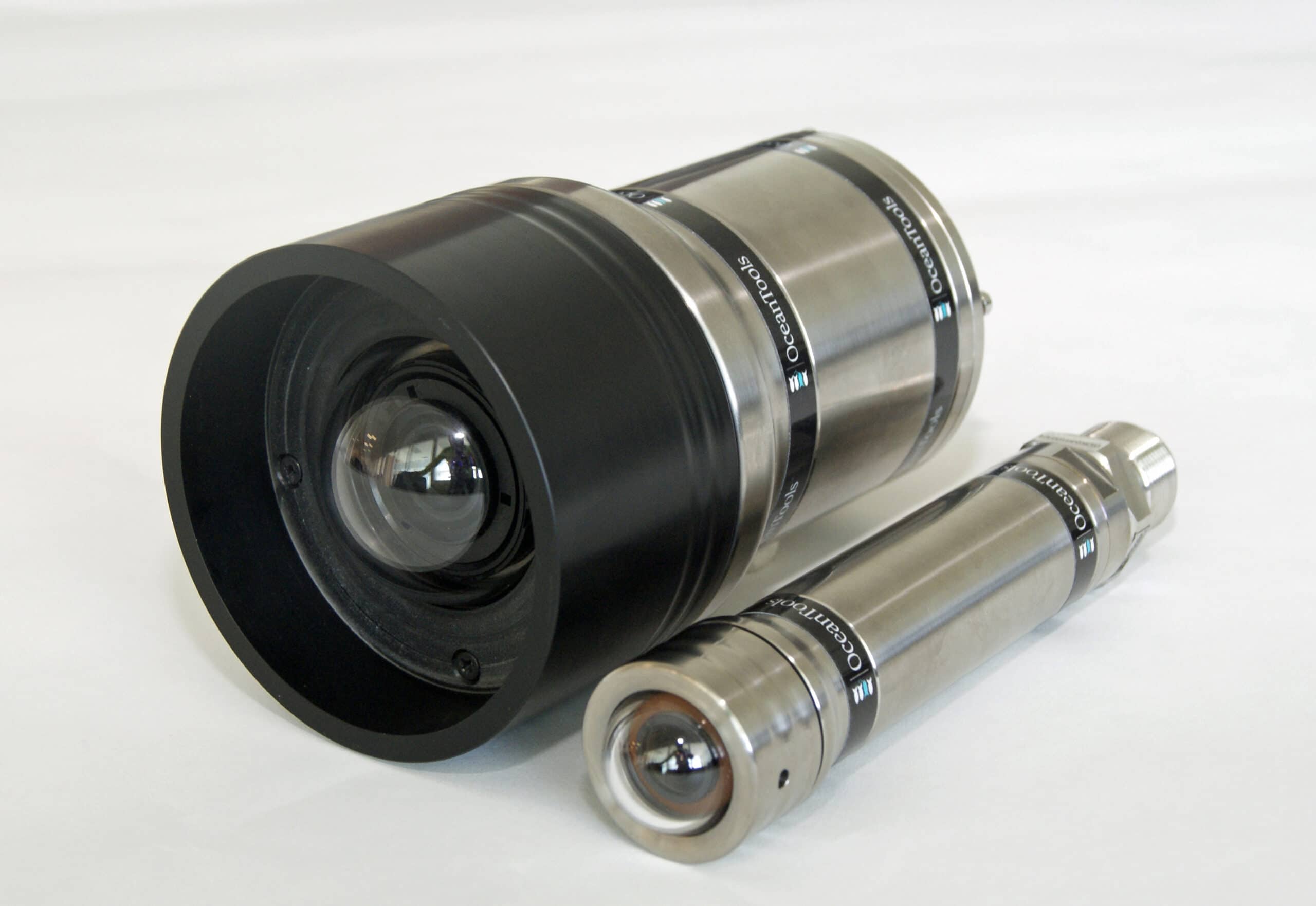
OceanTools, based in Aberdeen, UK, global leaders in subsea engineering, have announced the launch of two high specification cameras, the C3 Wide Angle range, and the C5 Low Light ROV Navigation Camera.
Adding to the extensive portfolio of OceanTools cameras, the C3-WA range offers customers a wide-angle option that can be applied to all variants of the C3 camera including the SD, HD and upcoming IP versions. The optically correct front port provides underwater angles of view up to 150° diagonal, making the C3 camera range one of the most versatile in the world. The angles achieved from the C3-WA have not previously been available in the market from a camera only 30mm in body diameter.
The C5 camera has been designed to provide high resolution and high contrast monochrome video while operating in extremely low light levels, making it the ideal low light inspection and navigation camera. The 6000-metre depth rated C5, has a wide dynamic range providing excellent quality noise-free video and no motion blur in all lighting conditions. The camera boasts a 105° diagonal wide angle of view underwater through a quartz optically corrected front port.
Brian Hector, OceanTools Technical Sales Manager, leads the camera product development with over 25 years’ experience at the forefront of designing subsea cameras. Brian commented, “We are delighted to launch these two beautifully engineered cameras and it’s extremely fulfilling to bring these great products to the market. By embracing new technologies this ensures we can continue to push industry boundaries and meet our objective of striving to consistently supply innovative solutions to our customers”.
For more information, please visit www.oceantools.co.uk

Sonardyne sets UK goal to reach net zero by the end of 2025
Marine technology equipment supplier Sonardyne is aiming to become carbon neutral by the end of 2025, making it the first company of its type in the UK subsea industry to publicly announce such an ambitious target.
The goal covers direct and indirect emissions, including those associated with manufacturing as well as supply chain activities, from its UK sites and operations. It cements Sonardyne’s long-term commitment to being an environmentally responsible and sustainable business, with a clear goal towards supporting the Paris Agreement on climate change to limit global warming to below 1.5 degrees Celsius. The target will be guided by and certified to PAS 2060, the internationally accepted standard for carbon neutrality.
“Sonardyne recognises the need for sustainable use of energy to mitigate climate impact and degradation of the environment for the preservation of future generations,” says Sonardyne’s managing director, Graham Brown. “Working to achieve PAS 2060 will help us clearly demonstrate our commitment to our employees, supply chain and communities where we operate.
“We all have a role to play in recognising and supporting the need for sustainable use of energy to mitigate climate change. Sonardyne have supported five decades of responsible operations on and under the world’s oceans and seas. As we begin our next 50 years, sustainability and the environment will be an even greater focus for us.”
Sonardyne’s heritage is in underwater technology innovation; supplying underwater communication, navigation, positioning, imaging and monitoring technologies and services across energy, defence, and science. While the company has always made every effort to limit waste and damage to the environment, for the past five years, reducing energy consumption has been made a key priority.
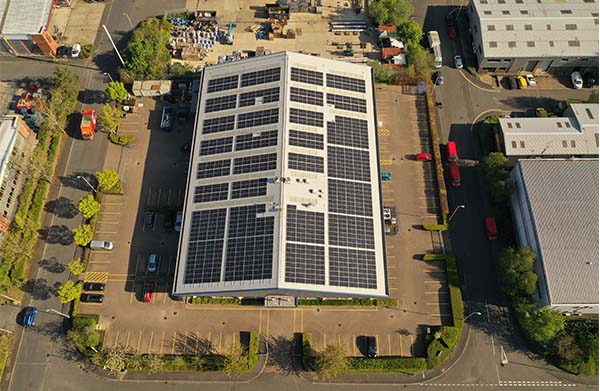
Last year, Sonardyne invested heavily in roof-mounted solar arrays across its headquarters in Hampshire, covering an area equivalent to 13 tennis courts. The company also uses air source heat pumps, is ISO 50001 Energy Management System certified and has had a Building Management System installed for a number of years, helping it to make the most efficient use of energy for heating and power. Any further energy requirements are purchased from a certified renewable energy supplier.
Additional measures being considered to take it towards PAS 2060 include investment in large-scale batteries and grid services. These will benefit the company’s access to and cost of renewable energy. They will also provide additional storage to the wider grid. For areas that cannot be decarbonised any other way, the company will support high quality certified carbon offsetting schemes.
In addition to its investments in energy efficiency across its facilities, Sonardyne has been leading uncrewed and over-the-horizon technology development and adoption. This enables its customers users to realise major reductions in the use of energy-intensive crewed vessels, while also reducing risk to personnel and cost.
Edward Moller, Head of Market for Energy at Sonardyne, says, “Sonardyne’s earliest projects were in support of the offshore energy industry and it’s always been with a view of making operations easier, safer and more cost-efficient. That usually equates to doing more with less, both in terms of efficient technology to reduce operational time and physically, by performing the same task but with less equipment. Today is no different, except that our goals, like many of our customers, across renewables and oil and gas, are also aligned with the energy transition. The energy sector has the biggest role to play in this transition and we’re here to support it.”
Ioseba Tena, Head of Market for Defence, says, “Many of the world’s naval forces now see climate change as a threat to their strategic objectives. New commitments to meet net zero emissions add additional layers of complexity to the role of defending national interests in the already challenging underwater environment. That is why I am proud that we will continue to build lasting, best-in-class equipment and, in a few short years, these will be built with net zero emissions. This will be one less headache for our customers.”
Geraint West, Head of Market for Science at Sonardyne, says, “Climate change is a pressing global issue, which the world’s leading ocean research institutes and organisations have been leading the way in understanding. Having worked with many of them over several decades, we’re really aware that we need to play our part in reducing the carbon footprint of their research activities. As well as committing to PAS 2060, we’re also partnering the United Nations’ Decade of Ocean Science and we look forward to supporting the UN’s Climate Change Conference (COP 26) here in the UK later this year.”
For more information, please visit: www.sonardyne.com
Autonomous Surface Vehicle Acquired by NOAA
New EchoBoat-240 Increases Uncrewed Survey Capabilities
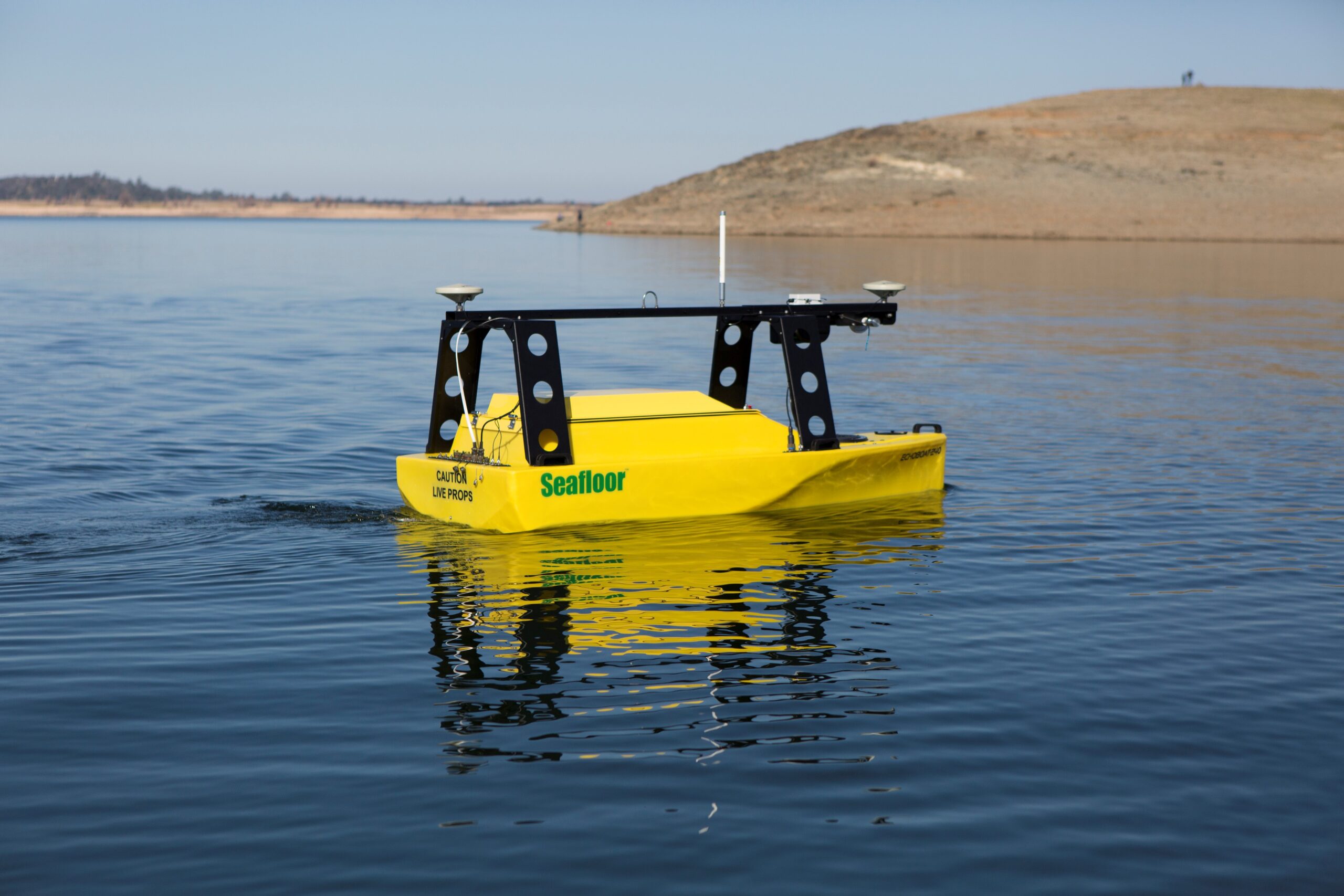
The National Oceanic and Atmospheric Administration’s (NOAA) Navigation Response Branch (NRB) has upgraded its Autonomous Surface Vehicle (ASV) fleet with the purchase of a Seafloor Systems EchoBoat-240 ASV. While intended for emergency response and shallow water feature investigations, the NRB will also evaluate the ASV for potential use as a “force multiplier” during more traditional NRT hydrographic surveys.
The new ASV will be used to collect bathymetric and imagery data in support of post-storm and other emergency response surveys. In addition, the vehicle may be used for special hydrographic projects like marine debris and habitat mapping.
The EchoBoat-240 ASV, compared to NOAA’s EchoBoat-160 currently in use, offers notable improvements, including a larger wave-piercing displacement hull, waterproof lithium-ion batteries, SmartCastTM automated SVP winch system, and individual servo-controlled thrusters. These upgrades will allow the EchoBoat-240 to operate in a wider range of sea states with increased endurance, efficiency, and safety. The expanded capability of this platform enables deployment during emergencies and other survey operations where the current vehicle, nor crewed boats, can deliver the level of safety and efficiency desired.
For more information, please visit: www.seafloorsystems.com
Ashtead Technology invests over £1m in new EdgeTech sonar technology
Global subsea equipment solutions specialist Ashtead Technology has invested over £1million in a range of EdgeTech sonar imaging and underwater technology systems to enhance its extensive equipment fleet.
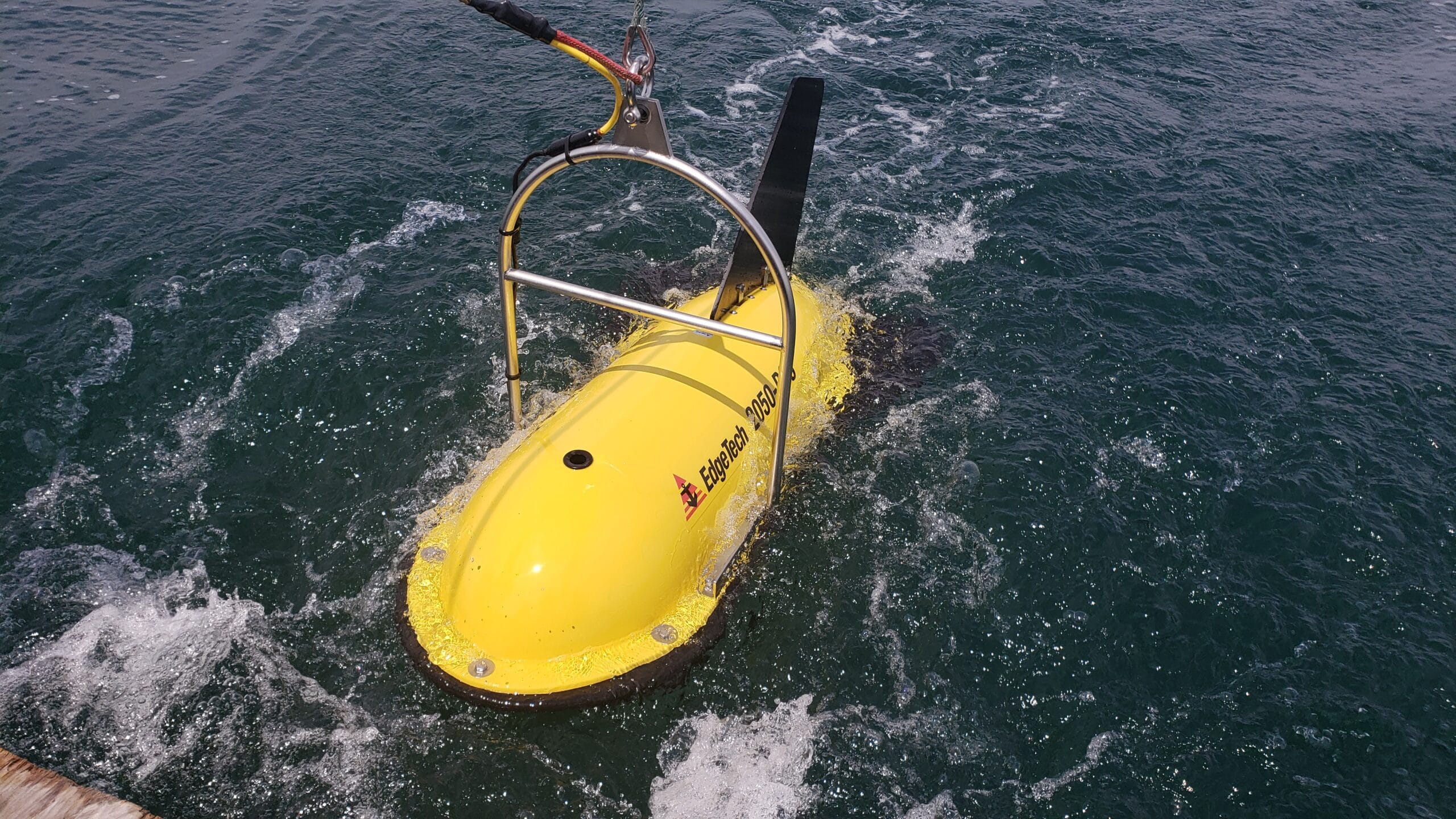
The systems, which will be available for rent throughout the company’s international technology and service hubs, include the 4205-Tri-Frequency Side Scan Sonar System, the 4200-Side Scan Sonar System, the 2205-ROV Side Scan and Sub Bottom System, and the 2050-DSS Side Scan and Sub Bottom System.
The EdgeTech 2050-DSS is the latest product to combine EdgeTech’s highly successful line of side scan sonars and sub-bottom profilers into one fully integrated system. The 2050-DSS comes complete with a combined towfish, digital telemetry that runs over a single coaxial cable, a 19-inch rack mount topside interface, and EdgeTech’s DISCOVER acquisition software. The 2050-DSS can be integrated with several auxiliary sensors such as magnetometers and USBL responders. Additionally, an interface is fitted to the electronics so that the electronics and sensors can be mounted onto an ROV.
The 2050-DSS is ideal for applications such as cable and pipeline surveys, marine construction surveys and pre and post dredging surveys.
Allan Pirie, Ashtead Technology CEO, said: “We have a long-established partnership with EdgeTech spanning in excess of 25 years. This investment demonstrates our ongoing commitment to the global offshore energy market by offering the latest, highly efficient technologies to support our customers’ projects worldwide.
"We look forward to seeing these systems performing in the field and enabling successful surveys for our customers.”
Doug McGowen, EdgeTech’s Director of Sales & Marketing, added: “EdgeTech has enjoyed a strong relationship with Ashtead Technology for many years, and we are delighted to be able to support their mission to incorporate market-leading sonar technology into their business.”
For more information, please visit: www.ashtead-technology.com

Teledyne Marine to Host Virtual New Product Launch Week
Teledyne Marine is pleased to announce that they will host a week-long series of webinars dedicated to introducing the industry to the 13 new products and technology advancements that have been released over the past 15-months. Throughout the global pandemic, Teledyne Marine has continued to develop and innovate solutions to address a variety of marine challenges.
Teledyne Marine invites the industry to attend these free online sessions from June 21 – 25 to learn more about the advancement made within the organization’s imaging, instruments and vehicle technology verticals.
Full details and online registration can be found at: go4.teledynemarine.com/Virtual-Launch-Week-2021
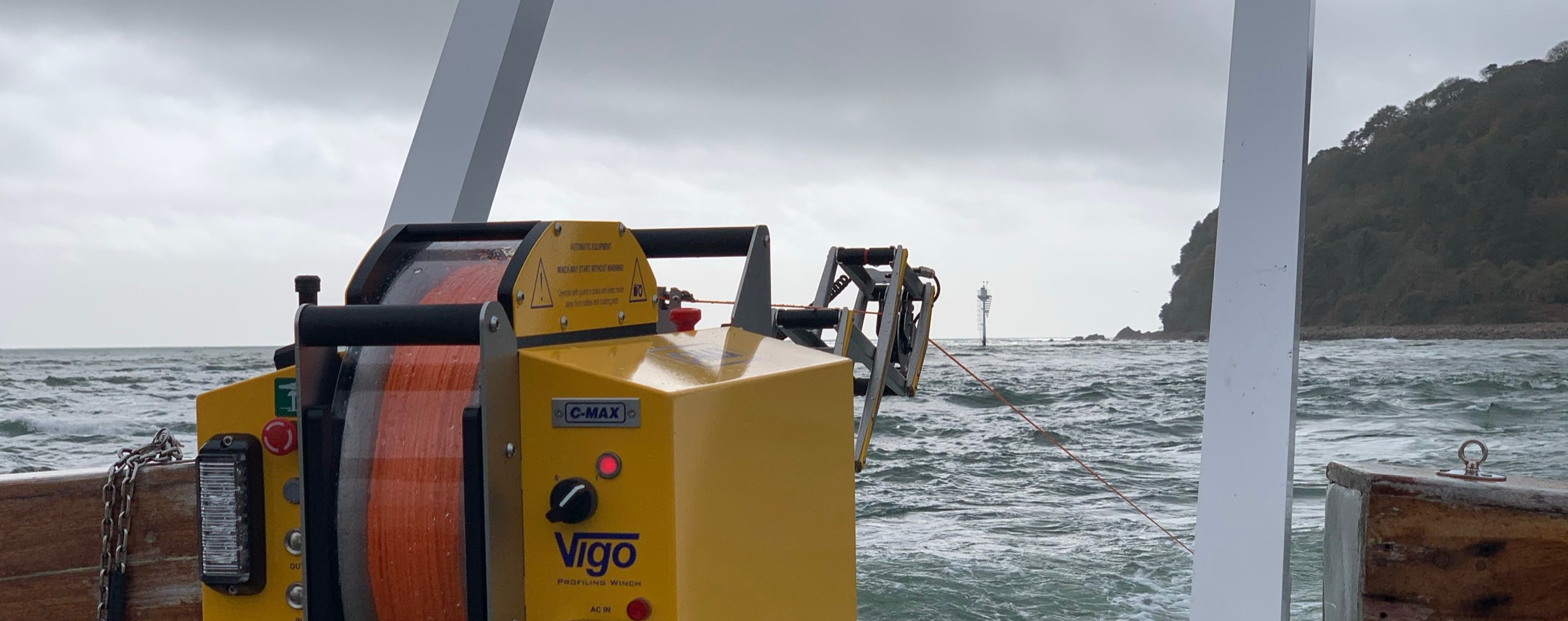
C-MAX announces the availability of the Industry's first Portable Underway Profiling Winch
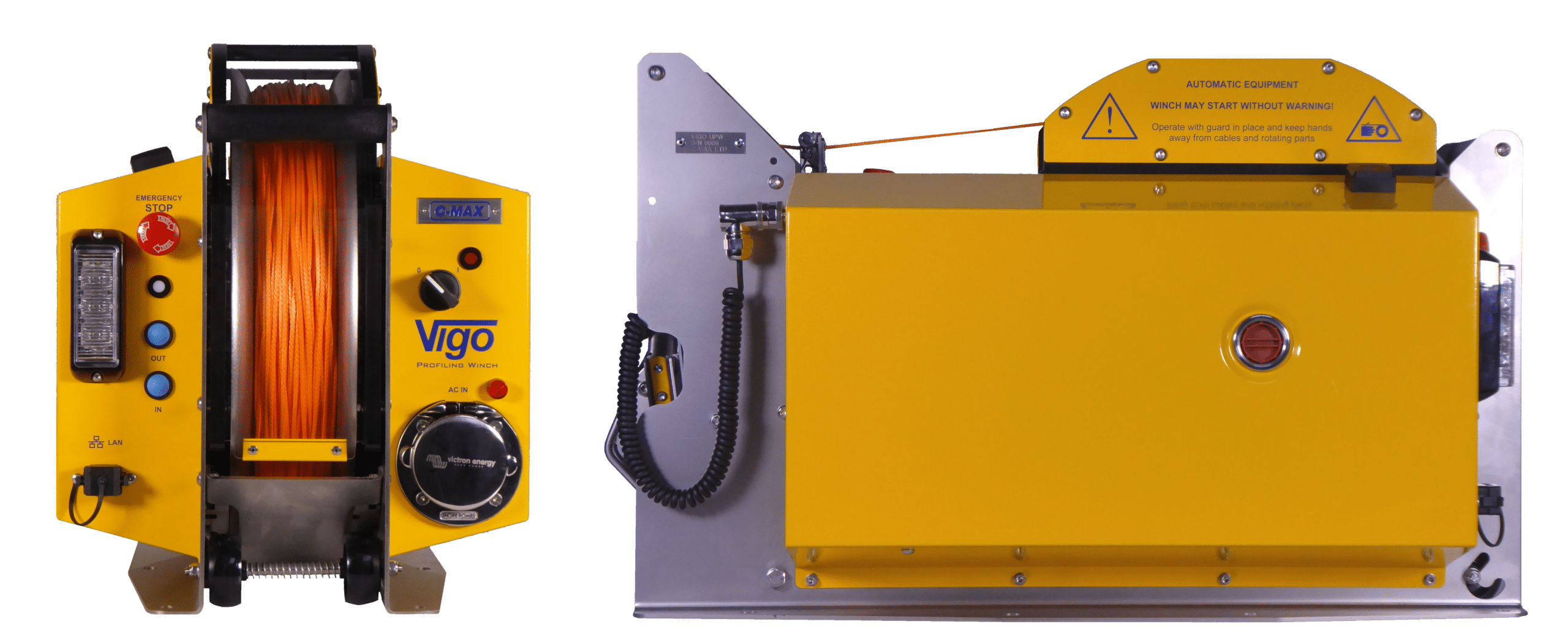
The Vigo underway profiling winch is primarily aimed at deploying sound velocity profilers for multibeam surveys, although it can be used with other instruments such as CTD profilers. It features an integrated extending boom which positions the line deployment pulley over the stern. This allows for rapid installation without any vessel modifications. The Vigo's Ethernet connection enables the winch to be controlled from any web browser with no additional software installation required.
When a profile is required the winch allows the profiler to free fall through the water column for a calculated period of time while the survey vessel continues on its course. The free fall time is calculated from factors such a the profiler type and the required drop depth. Once the profiler has been recovered and the data wirelessly uploaded, the achieved drop depth is extracted from this data and used to fine tune the free fall time for the next deployment. The drop depth can be set to automatically follow the value from an echo sounder.
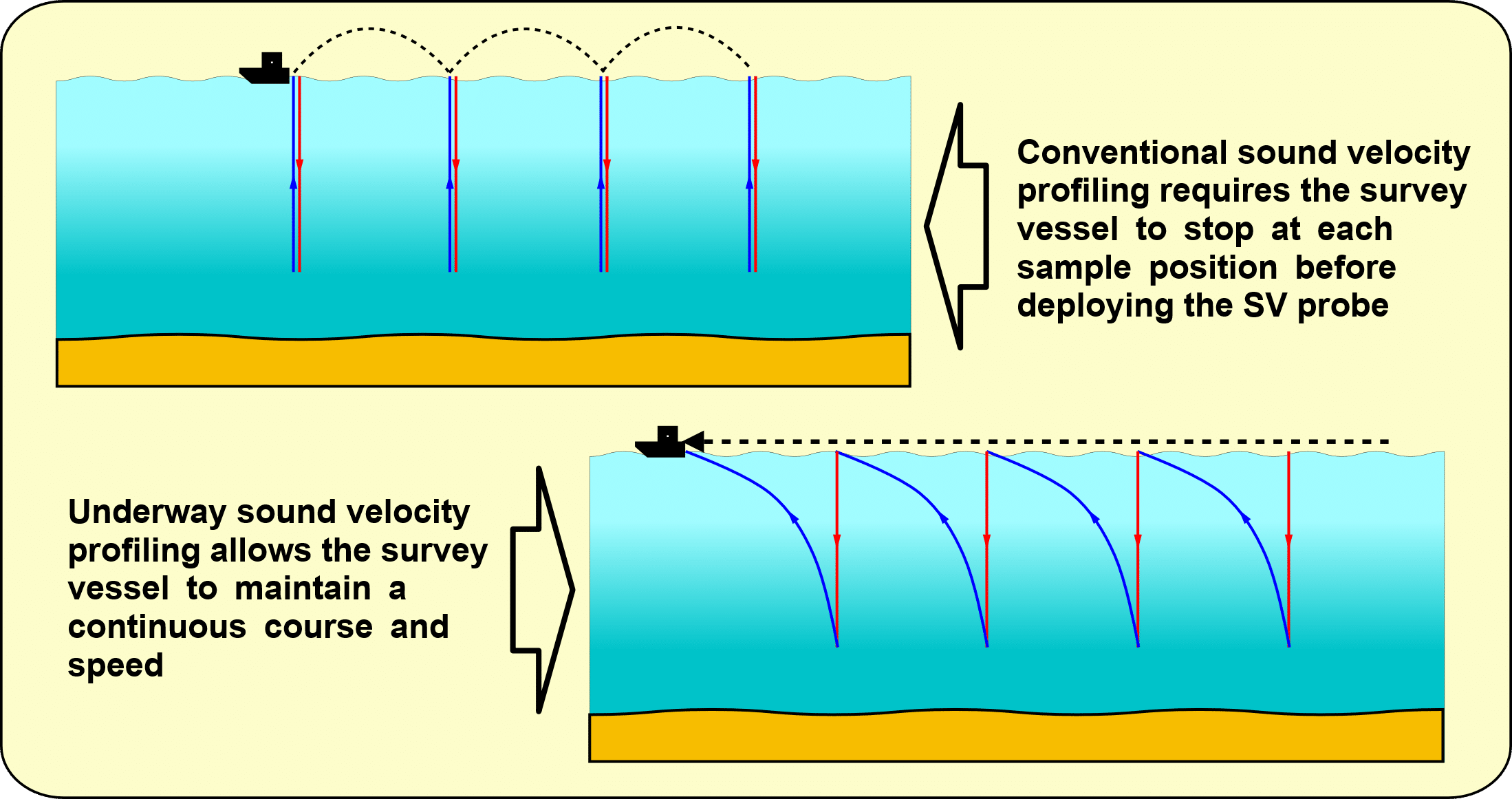
Hugh Frater, responsible for the development of the system's software, said "This level of integration means that the surveyor can concentrate on the other survey tasks without either stopping the vessel to take a profile or being concerned that the profiler might strike the seabed." Although the Vigo is not the first underway profiling winch the only competing systems are so much heavier that once installed they can not be readily moved. They are also outside the price range of many potential users.
For more information visit www.vigowinch.com
Equinor selects MMT for Offshore Wind Cable Route Surveys
MMT has been awarded the 2021 export cable route surveys for the ‘Beacon Wind’ offshore wind farm. The project is led by the Company’s team based in Providence; MMT US Inc.
Having commenced in April to complete in July, MMT, the Ocean Infinity company, is conducting a combination of Geophysical, Geotechnical, Environmental and Benthic surveys along the export route of Beacon Wind sites 1 and 2.
This contract is in addition to the offshore survey work awarded to MMT in 2020 which completed in May 2021.
The Beacon Wind offshore wind farm is located 20 miles south of Massachusetts and 60 miles off the coast of New York. When complete, Beacon Wind 1 will provide 1,230 megawatts of offshore wind power to the State of New York.
Beacon Wind is being developed by Equinor and BP through their 50/50 strategic partnership in the U.S.
For more information, please visit: [email protected]

aae technologies Welcomes Paul Griffiths as Business Development Manager for Acoustic Positioning
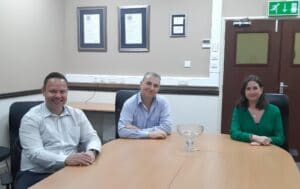
aae technologies has welcomed Paul Griffiths to the company’s sales team as Business Development Manager. In his new role, Paul will focus on expanding the sales of applied acoustics range of USBL positioning and tracking systems. Paul has over 20 years’ experience within the industry, bringing a wealth of knowledge in subsea positioning across many industry sectors. As Business Development Manager, Paul will continue to drive the company’s success in existing markets, and increase the company’s profile in new and developing markets.
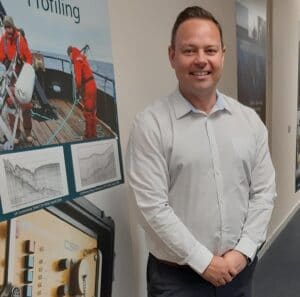
“We are very excited to welcome Paul to the team, during what is a very exciting time at aae technologies. Paul’s extensive experience, industry knowledge and contacts will further strengthen the team, and our position as subsea acoustic experts in the global market. “said Sales & Marketing Manager, Hollie Moran.
Paul commented, “I am delighted to join an already very strong team at aae technologies, and am looking forward to getting started meeting existing clients, and developing new relationships.”
aae technologies is a globally respected, independent manufacturer of marine related electronic-acoustic products that include underwater positioning and tracking systems, and a market leading range of subsea geological survey equipment. Established for more than 30 years, the award-winning company has an international client base spread across many ocean related industry sectors, and is supported by a global distributor network with locations on every continent.
For more information please visit aaetechnologiesgroup.com
Operation Ravenel: The search for the wreck has begun in Saint-Pierre-et-Miquelon
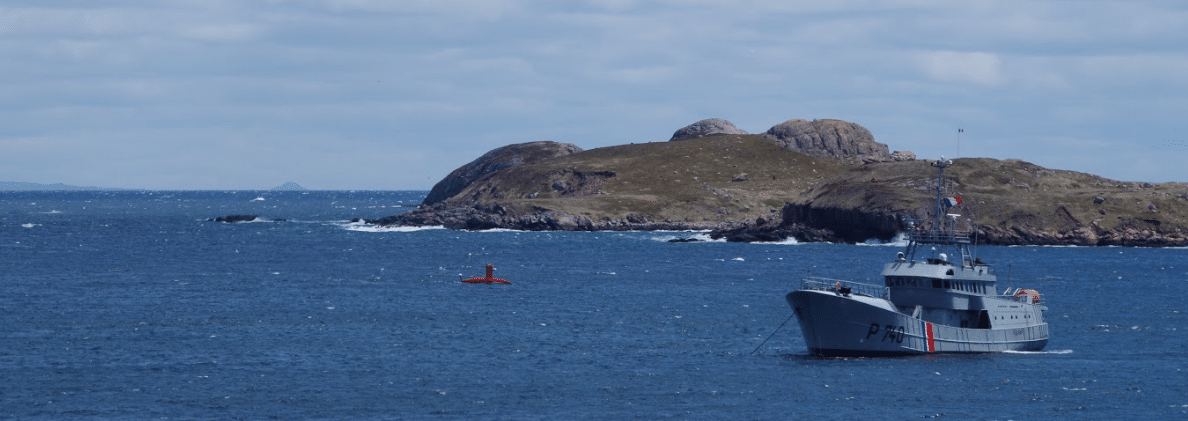
A research campaign aiming to find the wreck of the Ravenel fishing trawler, which disappeared back in January 1962 off the coast of Saint-Pierre-et-Miquelon (France), has begun on May 23, 2021. Despite several attempts over the past decades, the wreck remains unfound. Thanks to the use of DriX Unmanned Surface Vessel (USV), designed, developed and operated by iXblue, this new research campaign relies on unprecedented technological means to solve this mystery, that remains one of the most important shipwrecks in the history of French fishing.
The 15 sailors aboard the Ravenel left for sea in January 1962 and dramatically disappeared after 8 days of sailing. The wreck of the vessel has never been found since then. In April 2021, Annick GIRARDIN, France Minister for the Sea, announced the launch of a major research campaign, which aroused great interest from the local population. A search area of 439 km ² has been defined thanks to information and documentation collected by the two associations of descendants of the missing, "Ravenel" and "Ravenel Research", as well as by teams of Meteo France (France national meteorological service) and the Department of Underwater Archaeological Research (DRASSM).
Since May 23, iXblue DriX autonomous surface vessel has been mapping the seabed of this newly defined area, looking for clues about the location of the wreck of the Ravenel or components of its structure. Developed by iXblue, this drone is equipped with powerful means of localization and detection of obstacles, allowing it to perform these missions autonomously. It is in constant contact with the ground and an accompanying vessel. The DriX operates 24 hours a day and is supervised by three iXblue surveyors. To accompany the DriX, four government vessels take turns on the surface: the French Navy Fulmar patrol boat, the P'tit Saint-Pierre from the “Armement des Phares et Balises”, the Charente, a vessel from the “Service des affaires maritimes et portuaires (SAMP)” of the Préfecture de Saint-Pierre et Miquelon, and the SAO vessel from France Gendarmerie Nationale. The Canadian authorities issued their authorization for the prospecting in their international waters and offered their assistance in this research, that will last a total of one month.
For more information, please visit: www.ixblue.com
Sonardyne and SeeByte advance UMS navigation and autonomy in challenging environments
Maritime defence technology company Sonardyne and uncrewed maritime systems (UMS) software experts SeeByte have been awarded UK Defence Science and Technology Laboratory (Dstl) funding to enhance and extend the future operational capability of autonomous and remotely operated systems in challenging battlespace domains.
The collaboration is the second phase of the UK’s Defence and Security Accelerator (DASA)’s Autonomy in Challenging Environments competition and builds on the work both organisations undertook in Phase 1.
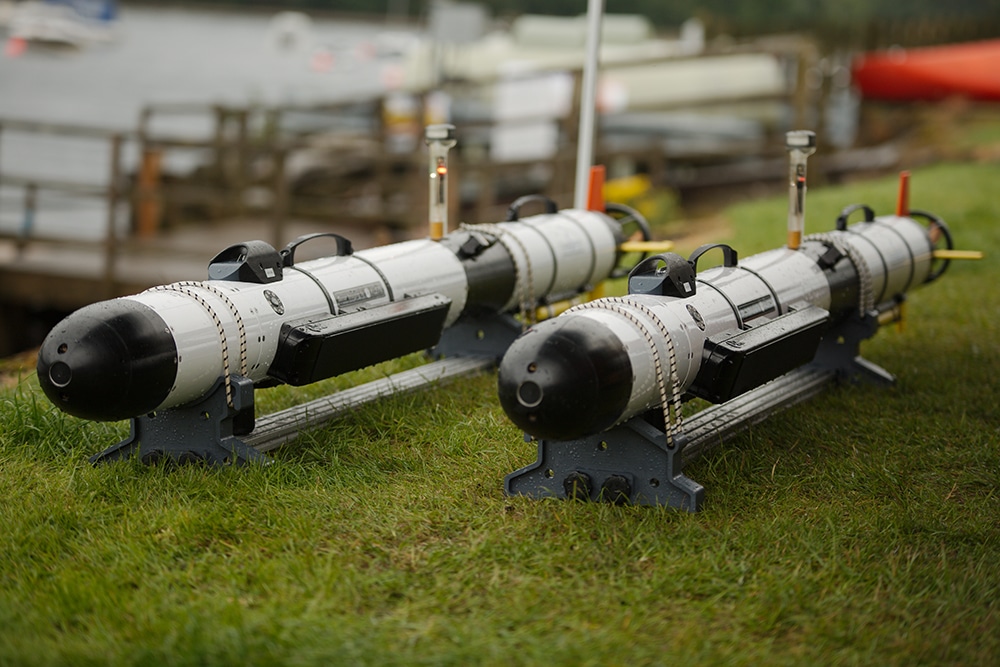
Sonardyne advanced underwater positioning system will be teamed with SeeByte’s adaptive, communication-aware, robotic behaviour developed for their autonomy system Neptune to allow the UMS to operate in highly complex, variable and communications-limited environments. Automatic target recognition imagery snippets will be transferred acoustically using SeeByte’s novel semantic compression software.
As part of the project, Sonardyne and SeeByte will be using surface and underwater assets from Project Wilton, a recently formed maritime autonomous systems (MAS) team based out of HM Naval Base Clyde. The collaboration will culminate in a series of in-water demonstrations at Project Wilton facilities in the UK.
Sonardyne will install a Mini-Ranger 2 underwater positioning system onboard Project Wilton’s ARCIMS uncrewed surface vessel (USV) and AvTrak 6 Nano telemetry and tracking transceivers to the team’s Iver 3 autonomous underwater vehicles (AUVs), which will be managed by SeeByte’s autonomous networked acoustic communications system.
In addition, Sonardyne’s SPRINT-Nav instrument will also be integrated with the ARCIMS USV to provide an independent navigation reference in GNSS-denied environments.
Teamed with SeeByte’s adaptive, communication-aware, robotic behaviour developed for their autonomy system Neptune, the UMS will be able to operate in highly complex, variable and communications-limited environments. Automatic target recognition imagery snippets will be transferred acoustically using SeeByte’s novel semantic compression software.
This project will enable optimal uncrewed underwater vehicle (UUV) distribution for improved subsea communications and navigation in a range of challenging environments.
Ioseba Tena, Head of Defence at Sonardyne said, “Collaborative autonomy is part of the maritime defence road map. We need to enable more robots and have fewer operators in the underwater battlespace. Working alongside leaders in autonomy development like SeeByte, to make that vision a reality, as part of the Autonomy in Challenging Environments competition, is a significant step towards that goal.”
Andrea Munafo, Technical Program Manager at SeeByte said, “UMS operate in challenging environments and they need to be robust against faltering communications and navigation. Partnering with Sonardyne makes it possible for our autonomous systems to consider both during real-time execution and hence to improve the effectiveness of future underwater missions.”
DASA’s Autonomy in Challenging Environments competition is funded through the UK Ministry of Defence’s Chief Scientific Adviser’s Research Programme’s Autonomy Incubator project. Awards are made by DASA on behalf of Dstl.
The Autonomy Incubator project aims to: Identify and develop underpinning research and technologies to support the development and fielding of unmanned systems across defence. This work can be matured through the wider Dstl Autonomy Programme and other research and development programmes.
Dstl delivers high-impact science and technology for the UK’s defence, security and prosperity. Dstl is an Executive Agency of the MOD with around 4,000 staff working across four sites; Porton Down, near Salisbury, Portsdown West, near Portsmouth, Fort Halstead, near Sevenoaks, and Alverstoke, near Gosport.
For more information, please visit: www.sonardyne.com