

Chelsea Technologies Announces Research Partnership with Ground-Breaking Transatlantic Research Project ‘Mayflower’
Chelsea have been selected as a research partner to an international effort led by marine research organization Promare and will deploy a ground-breaking next generation multi-parameter algae sensor aboard the unmanned Mayflower Autonomous Ship when it embarks on its historic transatlantic voyage from Plymouth, UK, to Plymouth, Massachusetts in May.
The 15-meter vessel is designed to provide scientists with a flexible and cost-effective platform for collecting critical data about the health of the ocean and further the technological development of marine autonomous systems. The AI navigation suite has been trained to recognise other marine traffic and obstructions using over 1 million real-life training images.
Joining a global consortium of partners including the lead technology and science partner IBM, Chelsea will be collecting multi-parameter fluorescence measurements from the vessel throughout the hazardous ocean crossing.
The 6-channel sensor, which is not currently available for general release, will continuously measure 4 algal pigments under test conditions, with 2 environmental fluorescence corrections integrated within a single, compact sensor housing. The data collected is expected to provide new insights into primary productivity and ocean health in the North Atlantic.
The probe will be mounted on board the autonomous vessel and will operate via a specially designed flow chamber. The sensor will be operated continuously throughout the voyage, providing valuable data on primary productivity and phytoplankton health.
Metrics gathered on the voyage will help the Chelsea development team evaluate the sonde for general manufacture. Once the technology is assessed, the sensor has the potential to provide significant new capabilities to many service applications. In addition to algae, the multi-parameter sonde may be available in hydrocarbon and tryptophan-like fluorescence variants.
Why measure multiple algal pigments?
Different algal species have different induction spectra depending on their specific pigment composition.
The Chelsea payload will measure 4 different wavelengths, designed to excite different algal pigments. This allows many different types of photosynthesizing organisms to be detected, including red algae, diatoms and cyanobacteria. Studying the relative concentrations of each pigment can provide information on the amount and type of species present within the algal community.
For more information, please visit: www.chelsea.co.uk


Industry Leader Q&A with SMI's CEO, Tom Chant
About Tom...
Tom has a long association with the marine industry, having been an active sailor and student of boatbuilding in Southampton. His career has encompassed a wide range of market sectors and he has gathered experience of business development, marketing and distribution in an international business environment. Recent career experience included distributor management for a marine equipment company before he joined SMI in February 2017, as the Business Development Director and Secretary to the Commercial Marine Group and Marine Science & Technology Group. Tom was appointed Chief Executive of the SMI in August 2020.
How is SMI adapting to the challenges of these uncertain times?
The initial work of the pandemic was all around helping to find out information and feeding in industry views to a variety of government panels. These were pretty much weekly at the start but that’s now receded to a fortnightly or monthly routine. Currently, we’re looking at how to operate in this hybrid world, with physical attendees joined by ones via Teams/Zoom. Providing insight and value to members is both easier and more difficult in the virtual world. We can’t completely recreate the spontaneity of physical meetings and yet we can provide insight more easily as no one has to travel.
Please tell us more about how you are supporting your teams and/or local communities?
The SMI team has been having almost daily catch ups via Teams since I took over in August last year. We’re up to about 60 meetings now just for this year. These have been essential in sharing updates on all the work we get involved in. At the same time they are a valuable team building/shared pain exercise!
How do you think the industry will change? Are there potential opportunities?
The digital world has certainly been fast-forwarded, combined with a need to remove humans from environments due to covid and cost. That really plays into the MST sector and its strengths. There are always opportunities out there!
What do you think are the main challenges ahead?
Private and company investment will have taken a hit, which reduce order books for some but as some areas - like oil and gas - shrink the opportunities in renewables grow so companies have to be agile and responsive to the markets.
What’s the most rewarding aspect of your job?
I’m privileged to be connected across the industry at the highest levels and really enjoy being able to connect people with opportunities.
And the most challenging?
Probably the sheer diversity of the sector and how it expands beyond MST into the rest of the SMI membership and sectors – but that makes it fascinating so I’m not complaining.
Who or what inspires you to be even better?
I do my best to surround myself with positive engaging people and there is no shortage of them within SMI’s membership. I hope I’m never heard saying “..but we’ve always done it like that”, as I’m keen to try new ideas. One day I’ll do some more work with something like the Open University, which keeps the grey cells developing.
Tell us a fun fact about yourself that most people don’t know.
I worked on a luxury yacht for the best part of 2 years and sailed the Atlantic twice – once the “wrong way” from the Azores direct to Bermuda.
What’s the best advice you’ve ever been given?
A recent advice, which I’ve used a lot is “faster, better, cheaper”. To sell more you need one of those 3 things.
What advice would you give to someone starting out in the industry?
Jump in – join professional societies, keep learning and get involved beyond the day job.
Why is innovation so vital to the ocean technology sector?
The challenges out there are immense in climate change and environmental damage, all whilst reducing human involvement. There is an immense amount of work to be done and innovation creates more ways to solve these huge issues.
How important is Ocean Business to the ocean technology sector? Why would you recommend a visit?
You won’t find another exhibition like it – smaller approachable exhibition stands, live demos and the best networking, all while being in the heart of the UK industry at the NOC.
AMSSI - Agora for Maritime and Submarine Sustainable Innovations
Alcatel Submarine Networks, iXblue and SeaOwl announce they are joining forces to develop partnerships around innovative technologies dedicated to environmental protection underwater.
Following several months of fruitful discussions and dialogue, several French players have announced the creation of the AMSSI (Agora for Maritime & Submarine Sustainable Innovations):
- Alcatel Submarine Networks (ASN) - world leader in the procurement of submarine telecommunication cable systems
- iXblue - global high-tech company recognized worldwide for its advanced technologies in the fields of maritime autonomy, inertial navigation, subsea positioning and subsea imagery
- SeaOwl - international maritime services operator, pioneer in the implementation of drone-based maritime services
These 3 companies are today the core of AMSSI; new French and European members will shortly join them to accelerate the emergence of new innovative projects.
Innovation, R&D and industrial projects
This partnership aims to be a French innovation cluster where members share a desire to combine their know-how and technologies with the objective of bringing to life concrete and innovative industrial projects in the maritime and underwater fields, as well as in the fight against climate change. AMSSI will promote R&D, innovation and French know-how.
AMSSI has a proactive approach towards the concretisation and implementation of the various technologies developed through its members' R&D programmes, leading to the industrial deployment of its projects.
An ecosystem and concrete projects
By combining the expertise of its members, AMSSI will continue to develop an ecosystem cap
able of meeting major technological challenges and building an effective and relevant community for maritime technologies and services.
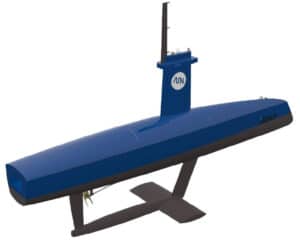
Among the developments involving the most advanced technologies of its partners, member companies are already working on an innovative project: the development of a remotely operated hydrographic surface vessel, i.e. a drone capable of carrying out long-distance survey missions.
Other projects related to climate change and marine digitalisation are also being studied.
For more information, please visit: www.asn.com
Teledyne Webb Research Incorporates JASCO-made OceanObservers on Slocum Gliders
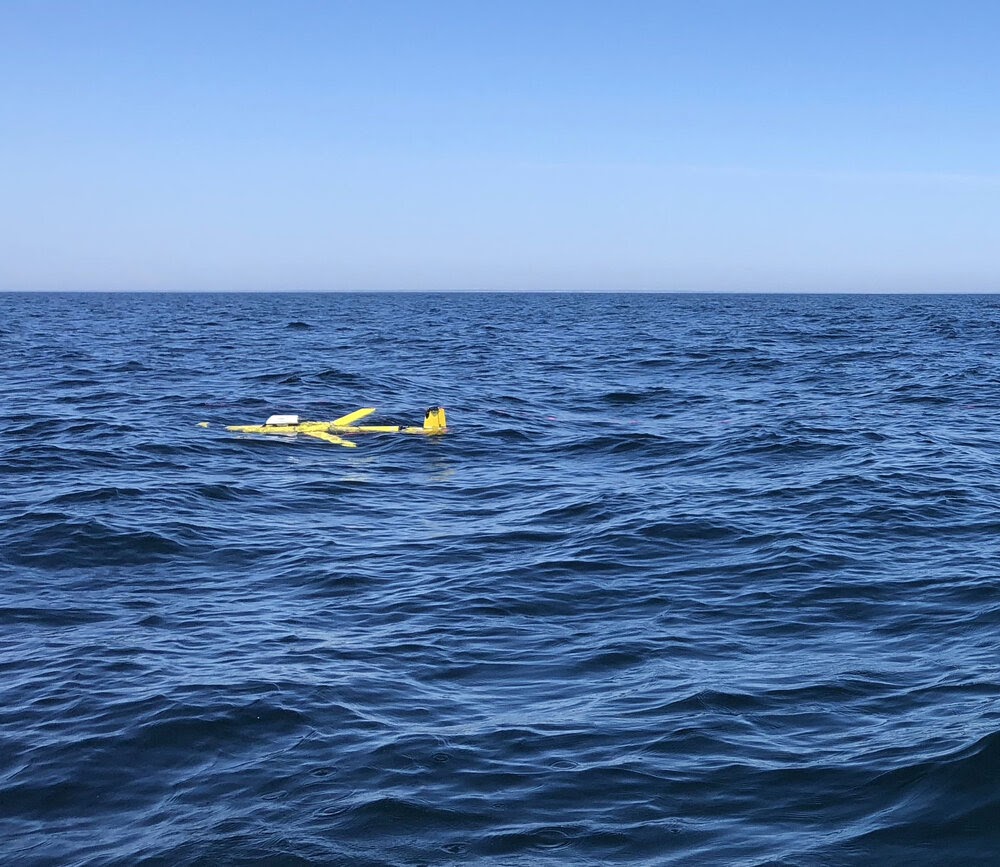
Teledyne Marine is pleased to announce the availability of the JASCO-made OceanObserver™ system on Teledyne Webb Research’s Slocum Glider Autonomous Vehicles. This latest addition to the Slocum Glider sensor suite adds key capabilities to the already versatile Slocum Glider platform.
OceanObserver™ is an intelligent passive-acoustic, multi-sensor system capable of in-situ, near-real-time underwater sound detection and measurements. The Observer records the underwater sounds and detects marine mammal calls from species of interest, quantifies ambient and anthropogenic noise, and derives other information of interest. Acoustic detections and measurements are sent to stakeholders in near-real-time.
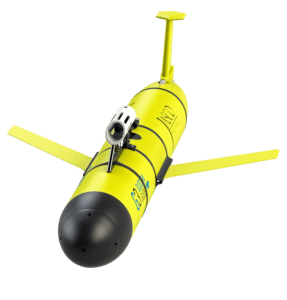
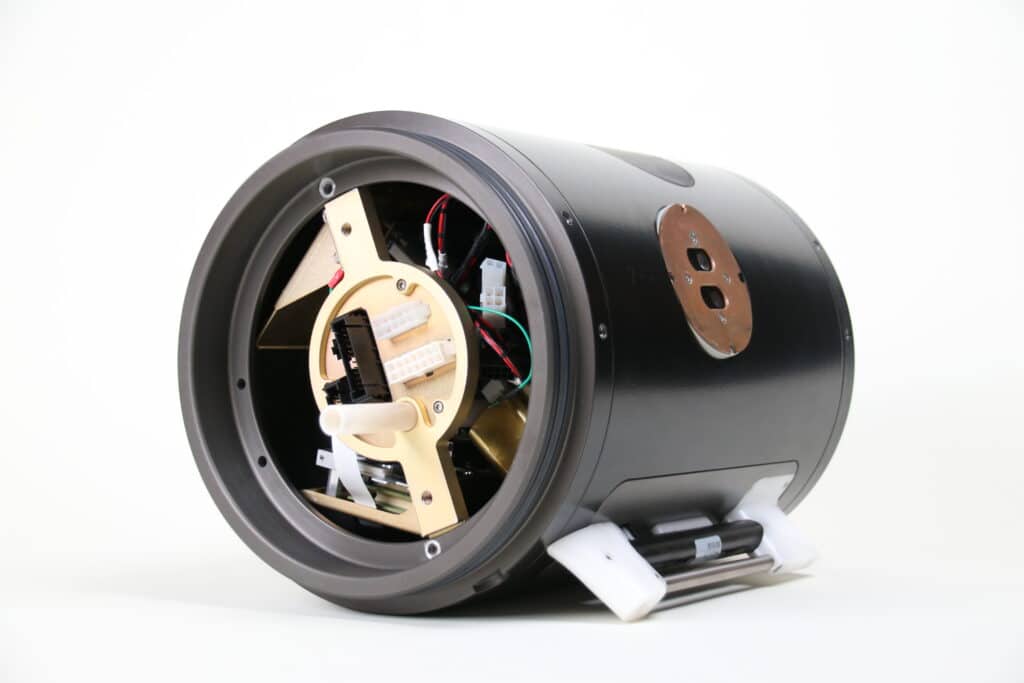
Slocum Gliders outfitted with OceanObservers and CTDs can also provide in-situ measurements of sound velocity profiles and ambient noise. Together, CTD and ambient measurements improve sonar sensor performance prediction and vulnerability assessment. The combined system is capable of monitoring in any sea state over extended periods of time.
Recent sales include universities and navies. OceanObservers are being used by academics to support marine mammal science and mitigation measures, autonomous vehicle navigation research and the development of new detection, classification and localization techniques. Naval customers are using Slocum’s for marine mammal mitigation and measuring Sound Velocity Profiles & ambient noise variability over long deployment periods. Ocean ambient noise is affected by weather, waves, and shipping traffic.
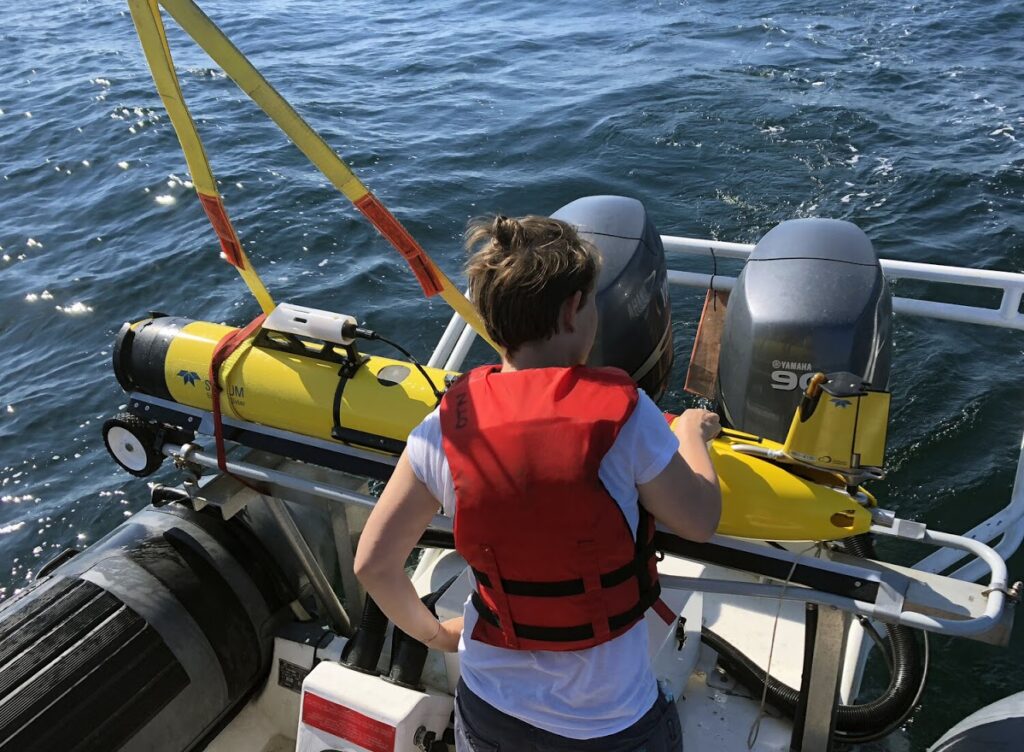
The Slocum glider is buoyancy driven to enable long range and duration remote water column observation for academic, military, and commercial applications. The Slocum Glider can be deployed and recovered from any size vessel with minimal time on station. Once the Slocum glider is deployed, it can easily be controlled from anywhere in the world through the use of web based piloting tools. This allows fleets of gliders to be operated remotely with minimal personnel and infrastructure.
Slocum gliders are modular, allowing for rapid sensor reconfiguration to respond to emergency conditions or situations. Over 40 sensors and other options are available to address a wide variety of ocean conditions and sampling requirements.
For more information, please visit: www.teledynemarine.com

MarineSpace are recruiting a Operations Manager
MarineSpace is a marine planning and environmental consultancy providing professional services to clients across a range of sectors, including, offshore wind, subsea cables, wave/tidal energy, offshore oil/gas, coastal/marine engineering and ports/harbours.
To support the company’s expansion, MarineSpace is seeking an individual to join our Operations Team. This position will focus on supporting MarineSpace’s role providing personnel to manage offshore wind and subsea cable projects. The successful applicant will have at least 2-3 years’ experience providing support to projects in the UK, Europe or North America.
The successful applicant will be dynamic, hard-working and willing to take a lead in developing MarineSpace’s offshore services. Based in Norwich, the successful candidate may also be required to travel to attend client meetings if required.
Key responsibilities:
- Assisting the company with development of the offshore personnel business;
- Supporting production of work proposals;
- Managing and communicating with clients and associate personnel;
- Managing delivery of operational data / reports;
- Maintaining and adding to personnel databases;
- Coordinating travel logistics;
- Supporting the company accounts team with project tracking and invoicing.
Individual Requirements:
- 2-3 years’ experience in offshore operations support or management;
- Excellent organisational, interpersonal and communication skills;
- Understanding of domestic and international travel logistics;
- Good IT skills including proficiency in Microsoft Office and Adobe software;
- Understanding of marine development projects and associated survey operations;
- Ability to work independently and as part of a team.
MarineSpace offer a Company pension and Company private health insurance. Terms of employment will be commensurate with the skills and experience of the successful candidate.
To apply, email a CV and covering letter in Word or PDF format to [email protected] by Friday 21 May 2021 quoting ‘Application for Operations Manager’. Queries related to the post can be sent to the same email address prior to the deadline.

New Business Development Manager joins Swathe Services
Swathe Services are very pleased to announce the appointment of Kerry Beckwith as their new Business Development Manager.
After achieving a BSc in Hydrography at the University of Plymouth, Kerry spent 15 years working offshore on a wide range of projects and seagoing vessels gaining extensive operational experience. She then returned to the UK as a Training Centre Manager/Technical Author, providing support for some of the latest marine systems and processes.
Tasked with contacting new and existing companies to introduce the integrated support solutions offered by Swathe Services, Kerry plans to drive the business forward to greater heights. Swathe Services’ flexible approach means they deliver the right solution to their customers needs, first time, every time.
With a keen interest in technology, Kerry is eager to see how the new autonomy and Artificial Intelligence (AI) processes coming to the market will affect the role of surveying. Kerry will also provide advice and consultancy to Swathe Services’ sister company, Unmanned Survey Solutions. Their vision is to become a leading supplier of innovative systems combining unmanned, air, surface and underwater technologies for seamless integration and operation.
Kerry says “I have received such a warm welcome in my first week from the team and I am very much looking forward to the exciting opportunities presented by working within the Swathe Group.”
For more information, please visit: www.swathe-services.com
SonarWiz 7 Training Workshop on June 9-11
Want more training? Spend three days with us (virtually) in June for a comprehensive training class as we go through all the modules in an interactive class. Attendees will learn to use SonarWiz for sidescan, sub-bottom, multibeam, single beam, and magnetometry processing. Learn advanced interactive planning tools and processing techniques to create 3D images, conduct textual analysis using the advanced seabed characterization tools, and increase productivity using the 3D area and swath based editing tools, and much more.
You can read the Agenda here and the registration flyer here.
Training includes a 14 day demo license and sample data sets to use SonarWiz during and after class. Training will be held 10:00am – 6:00pm EST. Registration is $249 per person or $212 with a current EMA. Attend for free if you purchase a SonarWiz license within 60 days of the course. This year we have a group rate of $695 per company for up to 4 trainees.
When you are ready to register, please click here or complete and return the registration flyer.
If you have any questions please contact sales@ chesapeaketech.com or [email protected], or just call +1-650-967-2045.
Dynautics goes the extra mile for Chinese market
Dynautics is a pioneering provider of intelligent technology for unmanned marine missions worldwide. We have had a strong distribution partnership with the Beijing Oceaneco Technology Company (BOT) for over 10 years now, providing our AUV Sim simulation solutions for their customers in the uncrewed underwater vehicle (UUV) research and development sector.
Here we examine some of the factors that have contributed to this successful, long-term partnership.
Complex design challenges
Researchers and developers in the academic and commercial markets require effective simulation tools that aid the complex task of designing an uncrewed underwater vehicle (UUV). The Dynautics AUV Sim is a proven simulation software suite that enables designers to overcome power budget management challenges, maximise endurance, provide accurate guidance and make the right propulsion design decisions as well as ensure efficient payload transportation for their UUV designs.
When design iterations can be modelled, tested and modified without the safety risk and expense of scale or full-size models and test tanks, the development cycle is shortened and the road to achieving a commercially viable and successful solution becomes safer, faster and more cost-effective. In 2019 this was clearly demonstrated on a Phantom AUV project where AUV Sim was used to deliver several AUVs to the US Navy in record time – just 100 days from order to delivery.
Flexible marketing & training solutions
To support BOT with their own sales process, we adapted one of our promotional videos to replace the English subtitles with Chinese, enabling BOT to reach their target customers with a clear value message. This localised content initiative secured a rise in sales/enquiries of around 200% for BOT.
BOT General Manager, Dr Alan Zhang commented: “Our customers really engaged with the simulation software video. When the dialogue was translated, they could fully understand the value of the simulation tool. It has really opened up the market for us.”
Remote training and online walk-through sessions have also played an important role in securing sustained business in the sector for BOT. Simulation software can be exceptionally difficult to master, due to the complexities of simulation itself. To further support BOT, the UK-based Dynautics team provides regular, live, online training sessions for their customers to familiarise them with the functionality and kick start the design process. The same training also supports BOT’s sales managers in their own conversations with customers and new prospects.
Software & hardware support
BOT customers have also recently purchased several AUV Simbox products. The AUV Simbox enhances the functionality of the software only AUV Sim solution by including the hardware elements, in this case the Underwater MicroSPECTRE and interface units. This gives the AUV developer everything they need to create both a virtual and actual environment to test and trial their designs.

Dynautics AUV Simbox
AUV Simbox has proved to be an enormously powerful and practical tool. The kit, which contains the simulator software, a SPECTRE autopilot module, RCW front-end Remote Control Workstation (RCW) software, a GENIE analogue and digital interface as well as power supplies and cables, saves time by enabling the testing of the MicroSPECTRE firmware before it is installed in a real prototype.
Dr Zhang explained, “The AUV Simbox has everything our clients need, conveniently packaged in a robust carry case. It has helped our customers to achieve a dramatic reduction in development time, and I can’t emphasize enough how important that is in terms of reaching a successful mission conclusion. Access to water tanks or lakes is expensive, so if the design can be tested and adapted via simulations prior to water trials then that represents a real saving of resources”.
Dynautics firmly believes in the power of logic, precision and scientific integrity to deliver strong commercial results. Our hands-on approach and focus on our clients’ needs first and foremost ensures that we develop fit-for-purpose solutions that meet the demands of our customer, and subsequently their clients. Dynautics is a trusted technology partner to clients across the maritime sector, including offshore energy, mining, oceanography, marine transport and defence and security.
For more information on their range of simulation solutions, please visit: https://www.dynautics.com/products-unmanned-surface-vehicle/marine-simulators/
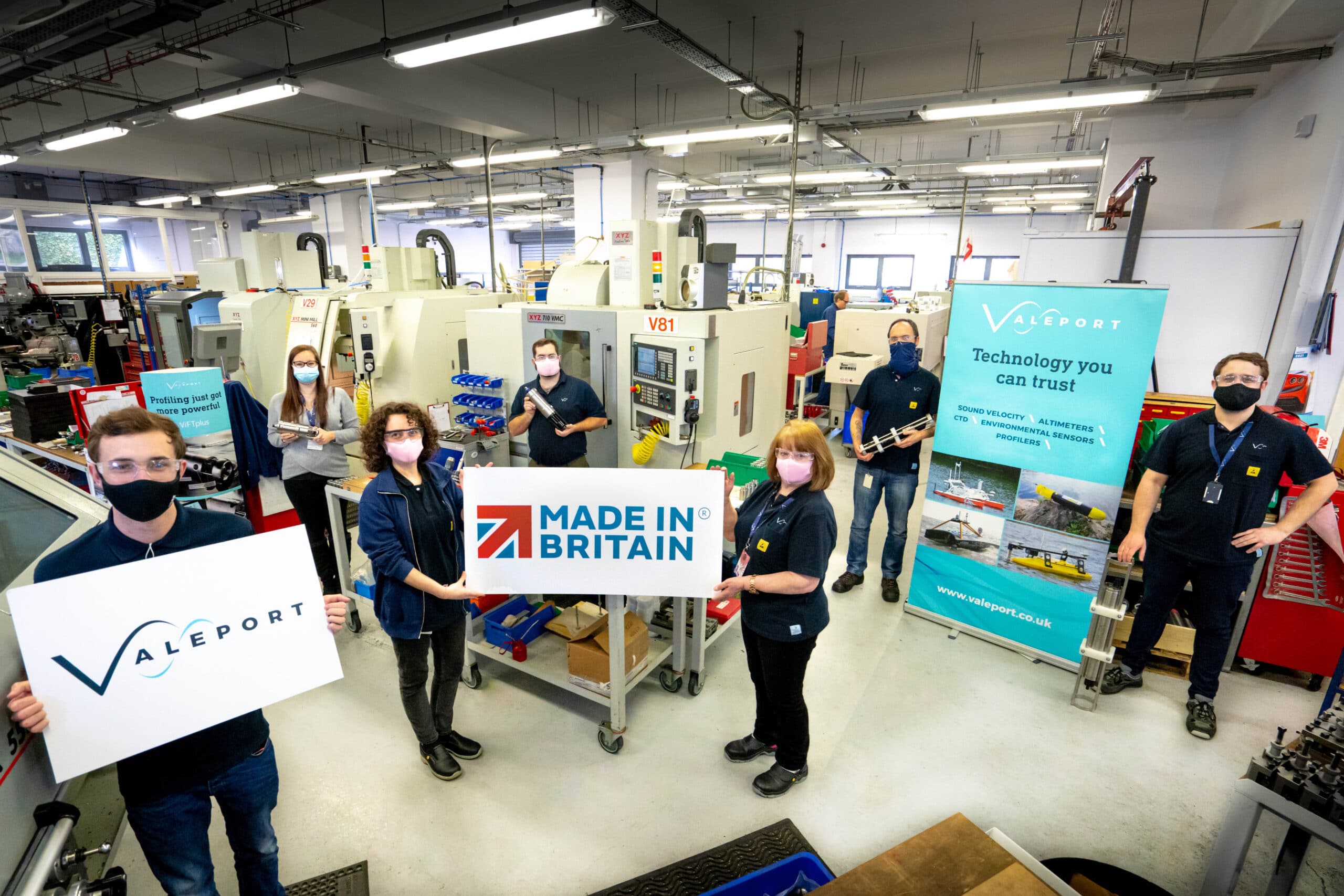
Marine tech firm achieves Made In Britain status
Valeport, a global leader in underwater measuring equipment, has achieved the internationally recognised Made In Britain accreditation for its range of innovative marine solutions that are developed, designed and manufactured at its UK headquarters in Totnes, Devon.
The independent, family-owned business, which employees more than 90 people from state-of-the art facilities on the River Dart, designs and supplies precision sensors and probes to a worldwide customer base that includes: environmental, energy, construction, dredging, engineering, scientific research and military sectors.
The Made In Britain accolade is part of an initiative to support and promote British manufacturing. Valeport will now use the Made in Britain registered mark of quality on their products, the mark is recognised as the ultimate stamp of British provenance and seen as an international seal of excellence domestically and worldwide.
Matt Quartley, Valeport managing director commented: “The Made In Britain status promotes our passion for British manufacturing, our commitment to quality and maintaining production here in the UK. We also believe it highlights the quality of our products and expertise gained from over 50 years of British manufacturing expertise.”
Valeport retains all aspects of developing and manufacturing processes in-house, an approach which means they have total control over every stage of the manufacturing process and can guarantee the quality and consistency of their products. The company’s riverside premises house all the facilities for designing, CNC machining, environmental testing, assembly, calibration and servicing for all Valeport products. With a global network of 72 distributors in over 54 countries, Valeport exports almost 80% of its outputs.
Valeport joins a select group of manufacturers who are permitted to use the Made In Britain status and coveted quality mark.
For more information on Valeport visit: www.valeport.co.uk
Water powered Sabertooth cuts CO2
Converted energy from waves powering a Saab Seaeye Sabertooth autonomous vehicle operating in seabed residency mode is a major renewable energy breakthrough.
Significant savings in support vessel costs and CO2 emissions will result.
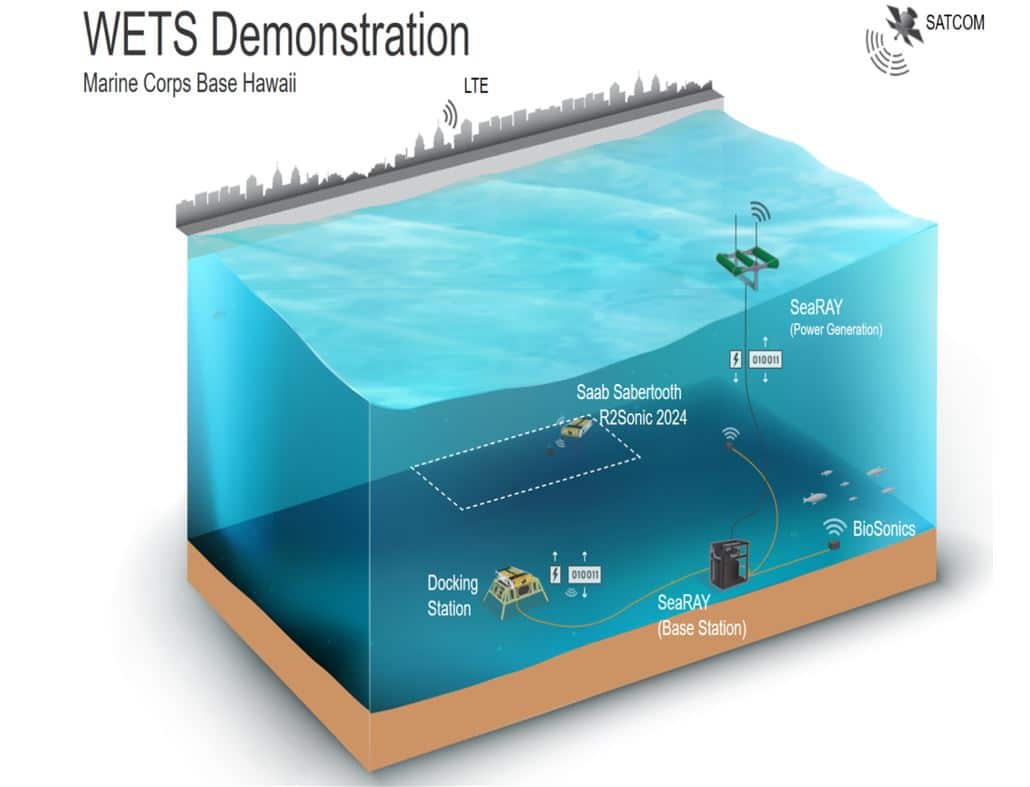
Pioneering the concept is C-Power’s SeaRAY Autonomous Offshore Power System (AOPS), which provides offshore power, energy storage, and real-time data communications for resident marine systems.
Trials of the Sabertooth residency concept will take place at the U.S. Navy’s Wave Energy Test Site (WETS) in Hawaii and last 20 days. The SeaRAY AOPS and other static assets will remain deployed for six months.
The Sabertooth, owned by Hibbard Inshore, and operated on behalf of C-Power, will repeatedly patrol pre-programmed areas to collect data, before returning to an underwater docking station for cloud upload and battery recharge.
Included in the studies will be seabed analysis, fish densities, infrastructure monitoring and water-column data gathering.
Many sectors will benefit
Many underwater sectors are seen to benefit from this innovative emission-free concept, including marine science and research, defence and security, aquaculture, and offshore energy.
The trials come in partnership with the U.S. Department of Energy’s Water Power Technologies Office, together with the National Renewable Energy Laboratory and the U.S. Navy.
In particular, testing of the SeaRAY AOPS is included in the Navy’s Coastal Trident 2021 program, which is the largest port and maritime security undertaking in the nation.
For the Navy, the conventional difficulty in conducting underwater infrastructure surveys leaves critical infrastructure vulnerable to sabotage and intelligence gathering threats in this hidden environment. Frequently refreshed high-definition sensor data can alert remote operators to possible intruder activity.
Operating the Sabertooth will demonstrate that subsea residence enables a sustained presence to secure underwater port infrastructure and its ability to support efforts to protect shipping against underwater explosive devices.
For the trials, the Sabertooth will be equipped with an R2Sonic Sonic 2024 multibeam echosounder, 2G Robotics ULS-500 PRO Laser Scanner and camera, and the ASL AZFP 70,120 & 200 kHz Acoustic Zooplankton Fish Profiler.
Uniquely Hovering
The success of the multi-role, 3000m rated Saab Seaeye Sabertooth comes from it being the world’s only roaming and hovering system that can operate in both fully autonomous (AUV) and tethered (ROV) modes, enabling fully flexible dual operations from a single platform.
Hibbard will deploy the Sabertooth for other significant projects this year including research at Lake Michigan by the National Oceanic and Atmospheric Administration (NOAA) concerning the invasive zebra mussel that adversely impacts the U.S. Great Lakes Region at a cost of $500million a year.
For more information, please visit: www.saabseaeye.com