
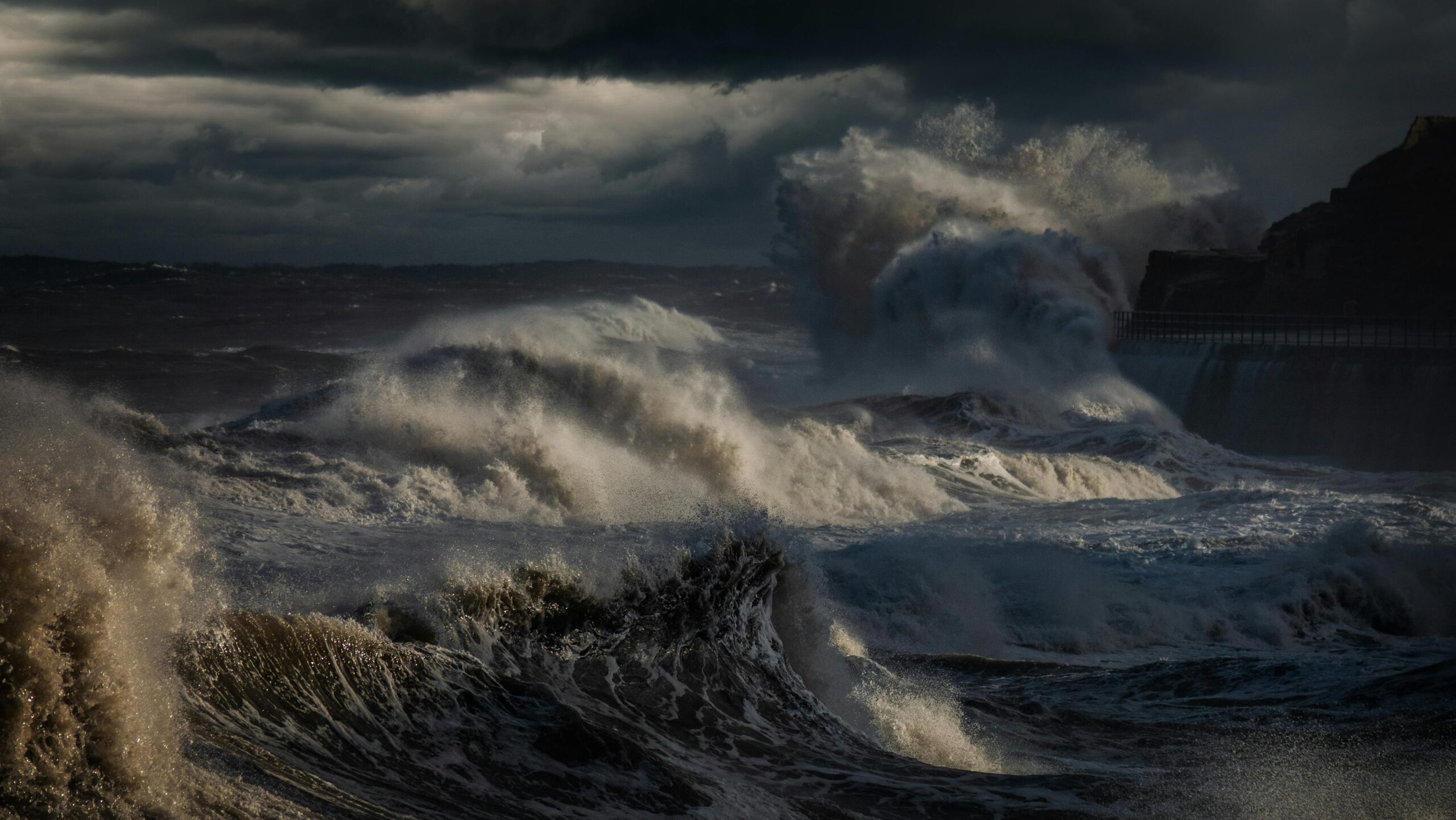
Scientists to “break waves” in climate modelling
Breaking waves on the world’s coastlines can be a magnet for surfers and a headache for coastal defences.
 Now, leading UK and French scientists want to find out more about the impacts of coastal wave breaking on our climate system to plug a gap in current climate models.
Through an ambitious project led by scientists at University College London (UCL), the National Oceanography Centre (NOC) and the École Normale Supérieure (ENS) Paris-Saclay in France, scientists will use novel observations of coastal wave breaking with advanced modelling and machine learning to work out the importance of this notoriously complex and hard to measure phenomenon.
Specifically, the project, called WAVECLIM, will look to fill a gap in understanding about the role these often-dramatic coastal processes play in global climate modelling.
This innovative project is one of the first opportunity seeds in the UK's Advanced Research and Invention Agency's (ARIA) Scoping Our Planet opportunity space, announced in October last year. ARIA’s seed funding supports ambitious research that can challenge assumptions, open up new research paths and provide steps towards new capabilities.
“It is well known that ocean wave breaking at the coast plays a big role in air-sea exchanges, sediment transport and coastal erosion”, explains Professor Christine Gommenginger, who leads the project at NOC. “But these complex coastal processes are largely absent from current climate models.”
“While waves in the open ocean are starting to be included in some climate models, coastal wave breaking is still disregarded”, adds Frederic Dias from ENS Paris-Saclay. “This is a critical gap in our understanding of how coastal seas influence and impact the global climate system.”
The WAVECLIM project will change this using advanced sensor technology and machine learning to capture and integrate coastal wave-breaking dynamics into predictive models.
State-of-the-art monitoring equipment, including LIDAR, drones and stereoscopic cameras, will be deployed to provide unprecedented data on coastal wave breaking under diverse conditions.
Machine learning models trained on these observations will be integrated into climate models, addressing biases and enhancing the accuracy of future climate predictions.
“This pioneering approach builds on recent successes in embedding machine learning into climate modelling, promising more realistic projections at a fraction of the computational cost,” says Serge Guillas, principal investigator for WAVECLIM, from UCL.
“The work is expected to yield transformative insights into how coastal processes influence global climate systems, especially in the face of rising sea levels and increased storm activity.”
Through this collaboration, the partners hope to address critical knowledge gaps, paving the way for improved representation of coastal seas complexities in the next generation of climate models.

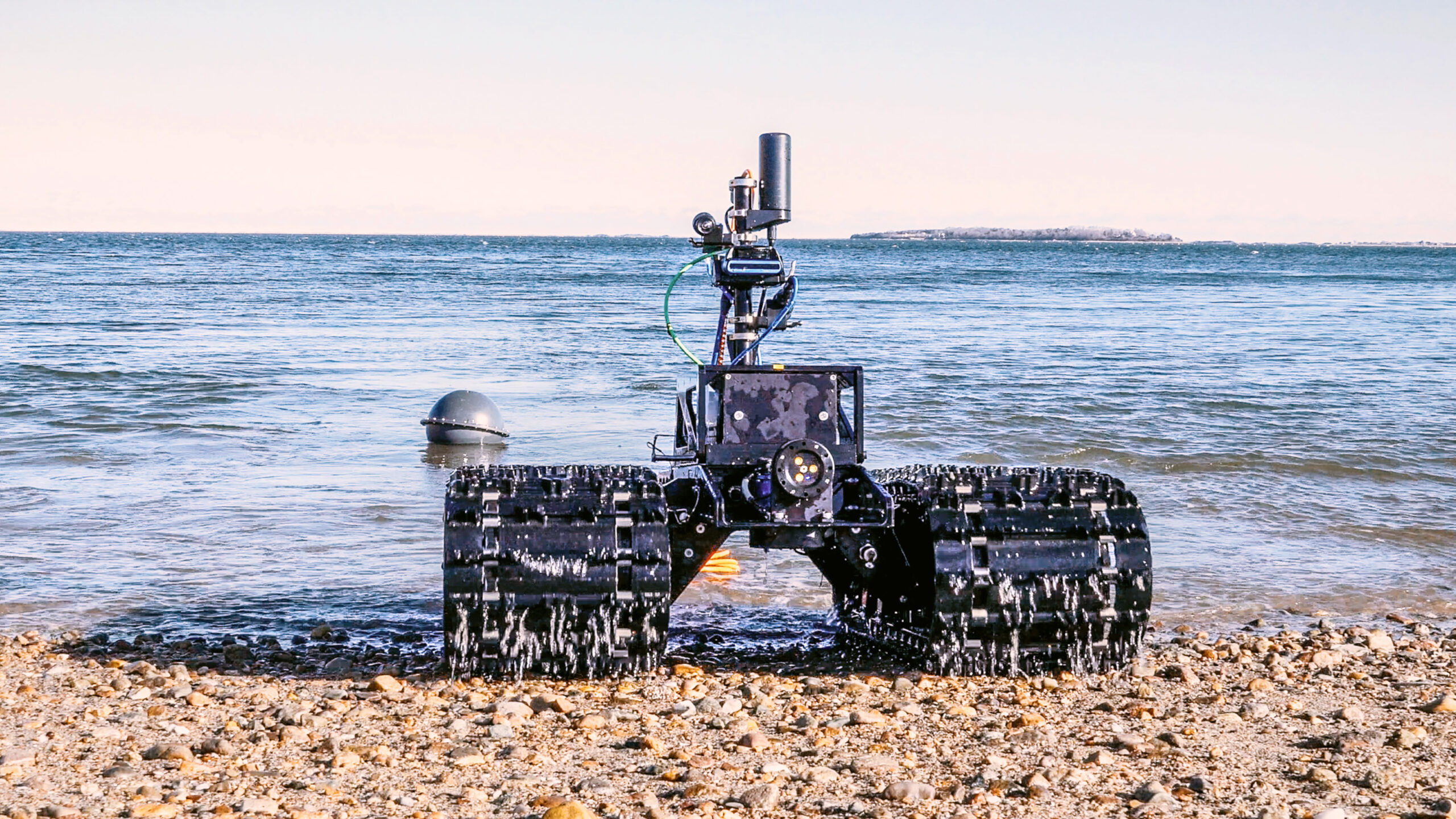
Greensea IQ Secures $5.36M Contract for Bayonet 250 Surf Zone Crawlers to Support U.S. Marine Corps
 Greensea IQ, a leader in subsea robotics and defense solutions, was awarded a $5.36 million contract through the Defense Logistics Agency (DLA) and Darley of Itasca, IL for the delivery of customized Bayonet 250 Amphibious Underwater Ground Vehicle (AUGV) for the U.S. Marine Corps’ Littoral Explosive Ordnance Neutralization (LEON) project.
The Bayonet 250, part of Greensea IQ’s Bayonet series of amphibious underwater ground vehicles, exceeds the stringent mission criteria of the LEON project, which focuses on advanced explosive ordnance disposal capabilities in littoral environments. Designed for robust operations in both shallow water and surf zones, the Bayonet 250 provides autonomous capabilities for mine and explosive threat neutralization, supporting the Marine Corps’ modernization efforts for safer and more effective EOD operations.
The Littoral Explosive Ordnance Neutralization project is a critical component of the Marine Corps’ robotic revolution strategy for operating in global littorals, enhancing safety for personnel while increasing operational efficiency.
“This award reinforces Greensea IQ’s commitment to supporting the U.S. Marine Corps with cutting-edge robotic solutions for complex and hazardous environments,” said Paco Santana, VP of Business Development, Defense of Greensea IQ. “The customized Bayonet 250 will provide a versatile, autonomous platform for explosive ordnance disposal in challenging littoral zones.”
The contract was awarded under the Defense Logistics Agency’s procurement framework and facilitated by Darley, a trusted supplier for defense solutions. Greensea IQ continues to expand its portfolio of autonomous technologies designed to support defense, maritime, and commercial applications.
Marine Science and Technology Business Person of the Year Award 2025
 Every other year at Ocean Business the Marine Science and Technology Group Council (MSTG) hand out their MSTG Business Person of the Year award. Therefore, nominations are now invited for the 2025 Award by completion of this form to be received no later than 28th February 2025.
The Business Person of the Year Award recognises individuals who demonstrate outstanding entrepreneurial spirit, strategic business thinking and are regarded as leaders in their field. This Award also acknowledges and celebrates the personal and generous contributions by a Business Person and the difference their involvement makes to the Marine Science & Technology (MST) community overall. Individuals entering into this category can be self-employed or employed by a business. Previous winners of the award have been Versha Carter (Intelligent Exhibitions), John Partridge (Sonardyne International), Matthew Quartley (Valeport), Ralph Rayner (BMT Group), Brendan Hyland (WFS Technologies), Keith Birch (National Oceanography Centre), Roger Scrivens (RS Aqua), Dan Hook (ASV), Claire Cardy (Nortek), Terry Sloane (Planet Ocean) and Geraint West (Sonardyne). All of whom have exemplified the spirit of this award through their flair, innovation and business acumen.
The SMI MSTG Council will review all nominations and will consider:
• The nature and extent of the personal contribution by the nominee to the MST business community
• The nature and extent of the personal contribution by the nominee to the MST community at large
• Their demonstrated ability to overcome challenges, drive business growth and foster innovation
The award will be presented on 8th April at Ocean Business 2025.
Please use this form to nominate a candidate for the award.
Ocean Business launches cutting-edge technology Training and Demonstration programme
With Ocean Business 2025 less than three months away, details can now be revealed about the Training and Demonstration programme, one of the main attractions of the global technology and science exhibition for marine industries.
The three-day show, which runs from April 8-10 at the National Oceanography Centre in Southampton, is open to all visitors for free by registering online here.
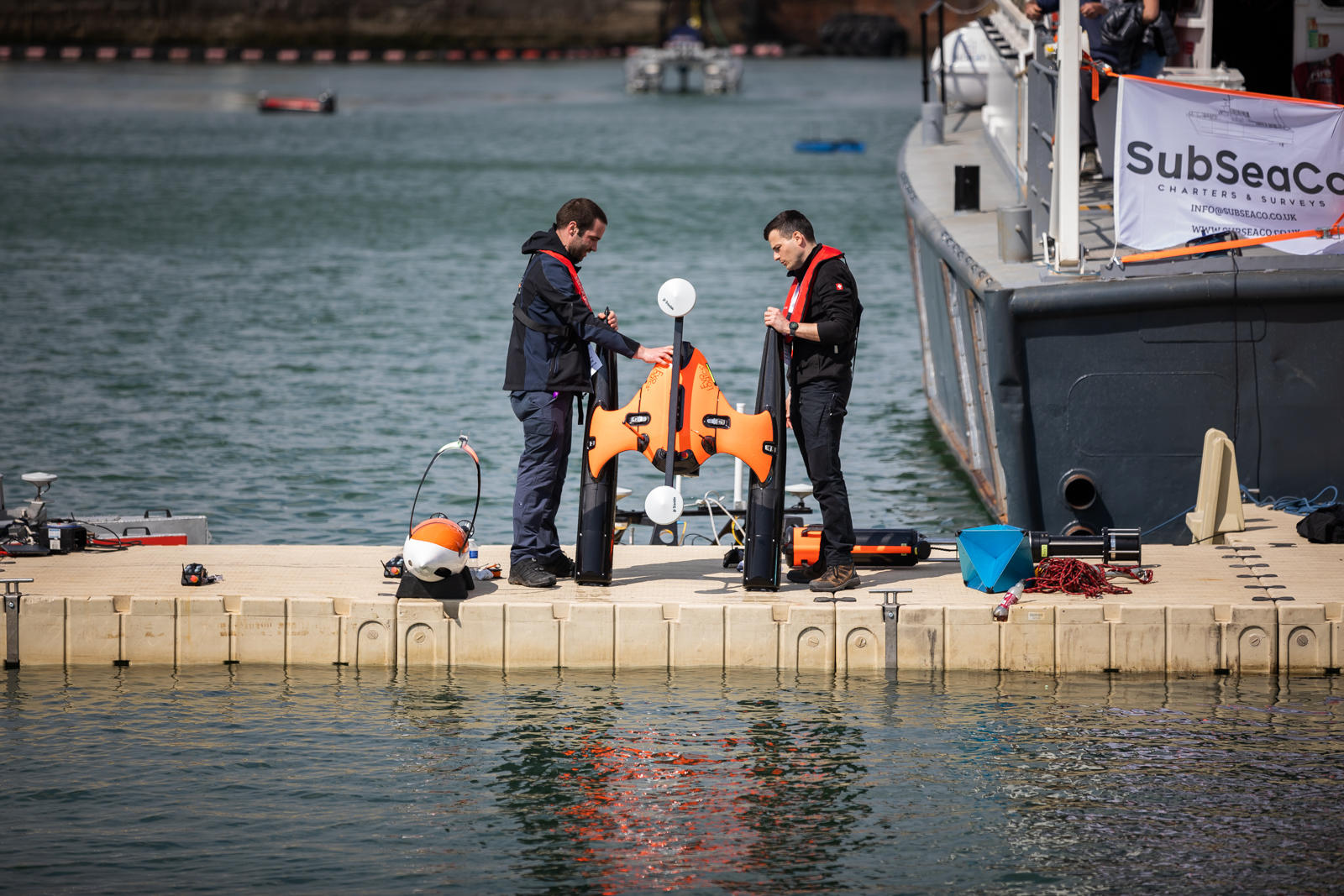
This year’s Training and Demonstration programme, featuring the most exciting developments in the ocean sector, is bigger than ever, with 180-plus hours of new technologies demonstrated in the dockside waters, onboard vessels and in the classroom.
Visitors will have the opportunity to observe cutting edge sensor technology close up and meet the top industry innovators, displaying the latest in underwater monitoring, next generation ROVs, ground-breaking advances in AUV technology, and much more.
Among the highlights on the dockside will be Kongsberg Discovery & Saildrone’s Infrastructure Inspection, using USVs and ROVs to provide high-definition images for underwater inspection of critical infrastructures.
EvoLogics will showcase advances in its Sonobot 5, including a submersible USBL antenna for acoustic data transfers and positioning. And the company’s latest iteration of the Quadroin AUV will be in Southampton after final optimisations.
Other major draws on the dockside include Unique Group’s small, carbon fibre USV, the UniMini, which can perform all hydrographic survey operations from land with minimal to low risk levels.
Meanwhile, on board Callista, the University of Southampton’s purpose-built research vessel, Navtech will unveil its new radar, with engineers on hand to answer questions and explain the software solutions that deliver tracking and collision avoidance for unmanned vessels.
Also on RV Callista, visitors can gain valuable insights into Nortek’s vessel mounted advanced Acoustic Doppler Current Profilers (ADCPs), designed for commercial and scientific applications.
Test tank and classroom Training and Demonstration sessions will embrace the fast pace of technological progress, with pioneers such as Voyis highlighting what’s next for underwater exploration with the latest generation of its Discovery Stereo Vision System.
Ocean Business 2025 provides unrivalled access to today’s transformational ocean technology - from sustainable environmental monitoring to breakthroughs in robotics and lean crewed fleets.
With more than 350 manufacturers and service providers already booked for the sold-out exhibition, this year’s event promises to attract record crowds from around the world, offering unbeatable networking opportunities.
Cheri Arvonio, Event Director at show organiser Diversified Communications, said: ‘Our popular Training and Demonstration programme is back, packed with even more innovations, ideas and product launches from this dynamic sector.
‘We’re looking forward to welcoming a line-up of leading ocean experts, sharing their wealth of scientific, technological and engineering expertise at one of the busiest shows in the sector calendar.’
All training and demonstration sessions are free to attend and visitors can book in on a first come first served basis at the show, or in advance by contacting the company hosting the session.
To view the full Training and Demonstration programme, please visit: https://testv2.divcomstaging.co.uk/events/.
Dockstr Secures Distribution Rights for SubC Imaging Products

Stockholm-headquartered equipment solutions provider Dockstr is delighted to announce its partnership with SubC Imaging, a leading manufacturer of underwater imaging and software solutions for offshore energy, marine research, and subsea operations.
Building on its position as a leading supplier of equipment solutions to the marine and underwater industries, Dockstr will leverage its unique online marketplace and distribution network to

connect SubC Imaging's innovative suite of products to clients in offshore construction, renewables, ocean science, marine and oil & gas sectors.
With a deep understanding of the marine energy sector and a proven track record of supporting complex technical and commercial projects, Dockstr is uniquely equipped to bring SubC’s innovative solutions to a broader market. Their extensive industry relationships and multidisciplinary expertise make them an ideal partner to introduce SubC’s innovative technologies to a wider range of markets.
“We’re excited to represent SubC Imaging and their cutting-edge technology. Their commitment to simplifying inspections and improving data quality aligns perfectly with Dockstr’s mission to connect clients with the best tools and expertise available in the marine energy space,” said Dockstr’s CEO, Slimane Bouabbane.
Charlene Hounsell, Sales Manager at SubC Imaging echoed the enthusiasm for the partnership “This partnership supports SubC Imaging’s objective to provide complete solutions that streamline inspections and enhance data accuracy. We’re eager to work with Dockstr to connect with more clients and help tackle the evolving challenges faced by industries like offshore energy and marine research.”
Dockstr will represent SubC Imaging’s full range of products, including advanced cameras, DVRs, lighting, and remote operation systems, ensuring clients worldwide can benefit from faster, more reliable inspections and data acquisition.
Allseas partners with MacArtney for electric LARS systems
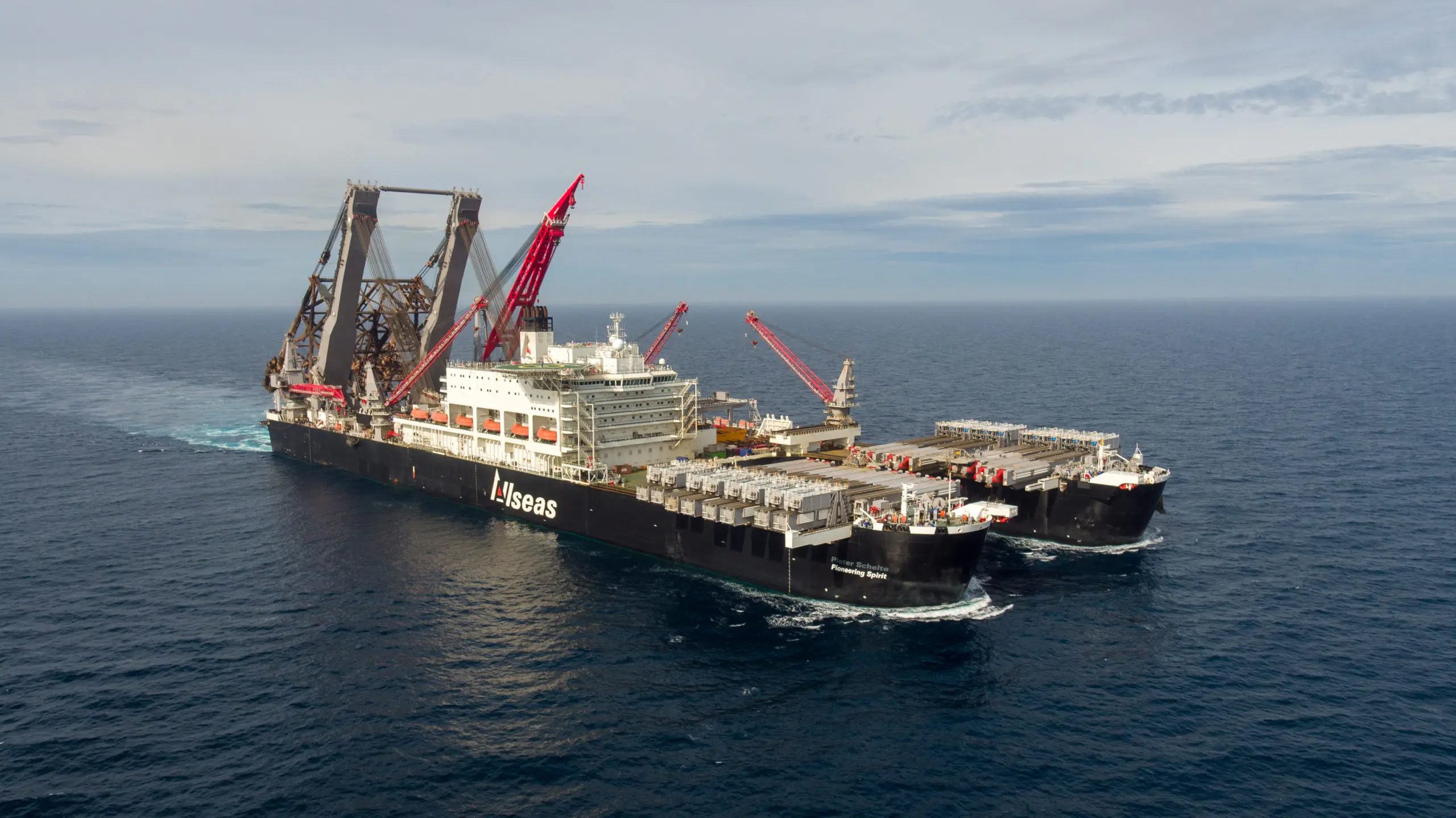
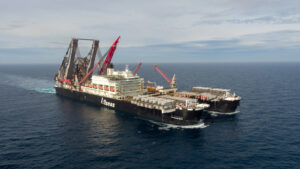
Allseas, a world-leading contractor in the offshore energy market, has commissioned MacArtney to enhance and future-proof its ROV operations. This involves replacing three existing hydraulic launch and recovery systems with the all-electric eLARS.
Seeking to transition from hydraulic to next-generation electric launch and recovery systems (LARS), Allseas identified MacArtney's eLARS™ as the optimal solution. The eLARS incorporates several advanced technologies that offer operational and environmental benefits.
The scope comprises three over-the-side 150 kN all-electric A-frames, including docking head and AHC winch, for a new fleet of electric remotely operated vehicles (ROVs) used in survey and construction tasks to water depths of 4-6 kilometres. One system is planned to be mobilised on Allseas' Pioneering Spirit, the largest, most versatile offshore construction vessel in the world; others are planned to be mobilised on the dynamically positioned pipelay vessels Solitaire and Lorelay.
Innovation over traditional systems
In its standard configuration, eLARS fully complies with Allseas' requirements, meeting key design specifications such as high deck deployment, enhanced safety for crew and equipment, and recovery redundancy from maximum operating depths.
The Allseas team states: "The new systems represent a significant upgrade from traditional hydraulic LARS, delivering additional efficiency gains. We look forward to the positive impact these advancements will bring to our vessels and crew."
Enhancing reliability through smart technology
The eLARS offers a low environmental impact, real-time diagnostics, high efficiency, automated launch and recovery, and intelligent, upgradable control systems that ensure longevity and versatility. Its streamlined design optimises deck space and supports green practices by eliminating pressurised oil contamination over water.
René Rasmussen, Sales Director Marine & Offshore, commends the partnership, Allseas' visionary perspective, and a shared innovative commitment:
"We are excited to support Allseas in their transition to electric LARS, equipping their fleet with progressive and reliable technology. Our collaboration has been outstanding throughout the process, with valuable and productive feedback ensuring the solution aligns perfectly with Allseas' objectives."
The eLARS solution incorporates high redundancy and intelligent self-assessment for preventive maintenance, reducing costs by up to 50% compared to hydraulic systems. Operable from shore, it requires fewer crew on board and reduces crew exchange expenses. Along with online troubleshooting, these features ensure continuous operation, less downtime, and optimised resource use, improving planning and scheduling.
Additionally, OPEX is lowered thanks to cost-efficient spares with minimal lead times, minimal customisation, simplified installation, and quicker turnaround times due to standardised components.
APAC region gaining local access to ScanFish ROTV rental and support
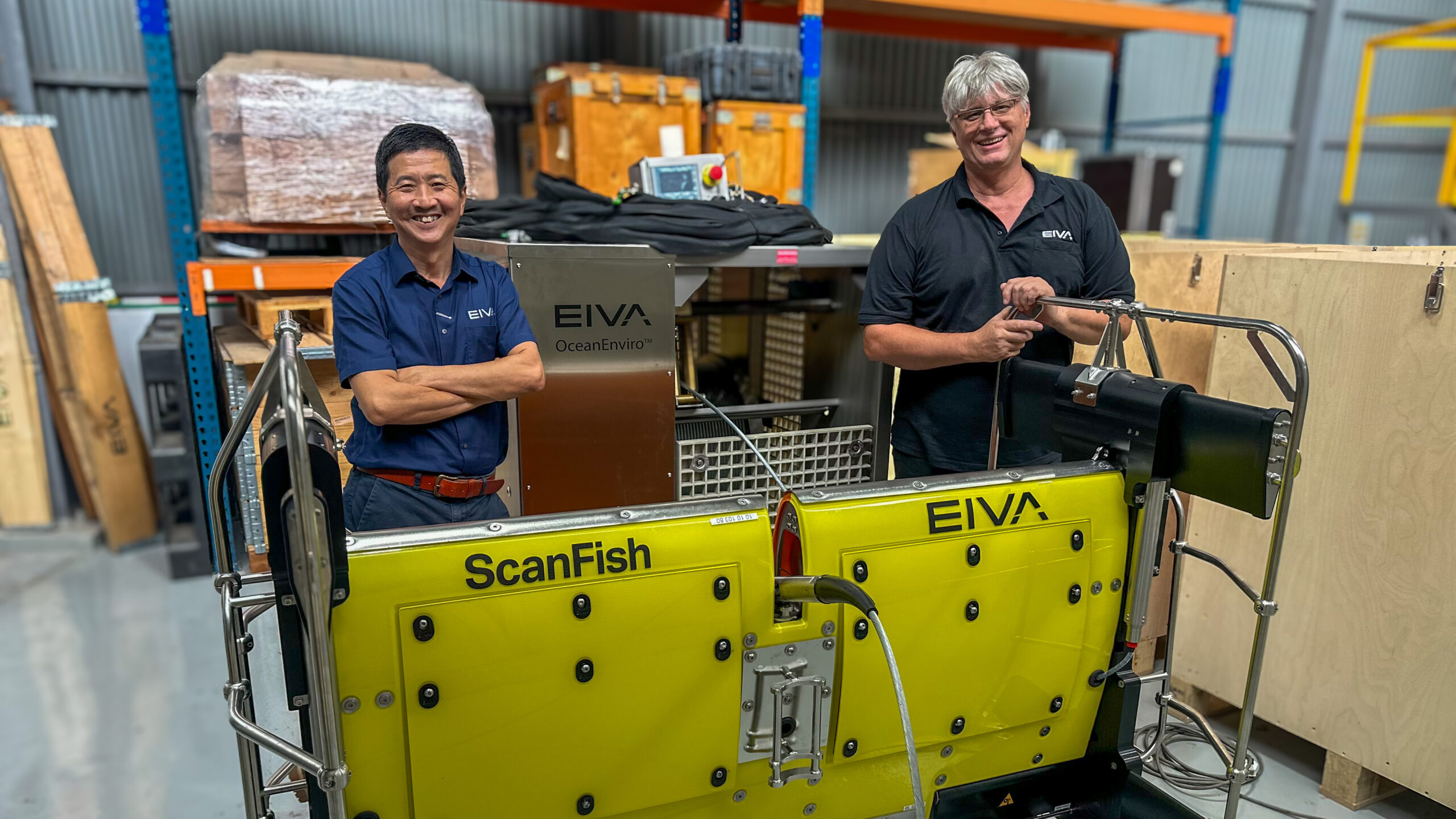
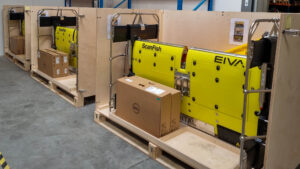
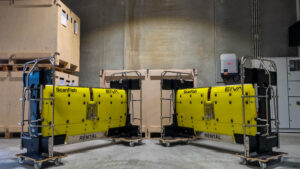
With a rapid increase in the offshore wind market, the Asia-Pacific (APAC) region has seen an increasing demand for ScanFish ROTVs, one of the most commonly used sensor platforms for UXO surveys around the world, developed by Danish maritime engineering company, EIVA. To meet this need efficiently and at lower cost to survey companies, EIVA has shipped a fleet of new ScanFish ROTVs and other rental equipment to their offices in Singapore, where their APAC team operates. EIVA’s rental equipment is therefore ready to be delivered more easily to customers within the APAC region, sent out from Singapore.
‘Our customers operating in Asia have emphasised the importance of making ScanFish ROTVs more accessible in this region. We have therefore been working over the past years to ensure our Singapore offices have the rental equipment and man-power needed to support them together with our reps in Japan, Indonesia, China and Malaysia.’ Julie Rydberg Sørensen, Technical Sales Manager – Rental | Team Lead, EIVA, who runs the rental activities worldwide, including in the APAC region.
For seabed survey companies operating in the APAC region, shipping times will be reduced by several weeks compared to when shipping out of EIVA offices in Denmark. In addition, heavy equipment can be shipped via sea-freight rather than air-freight for a more cost-effective solution, while keeping shipping times reasonable.
Not only will rental equipment ship out of Singapore, but EIVA’s team there will be able to offer servicing for the ongoing rental jobs. The Singapore-based team, which provides local support for EIVA’s customers in the region, includes Asia-Pac Area Sales Manager, Nge Aik Moh, and customer support engineer, David Thomson, both of whom have a wealth of experience to understand the needs of surveyors in this region. This team shares offices with sister company Sonardyne, whose positioning sensors are used on EIVA solutions such as ScanFish Equinox, providing a centralised location for survey equipment support and services in this region.
Fugro leads large-scale seafloor mapping project to protect Florida’s coast
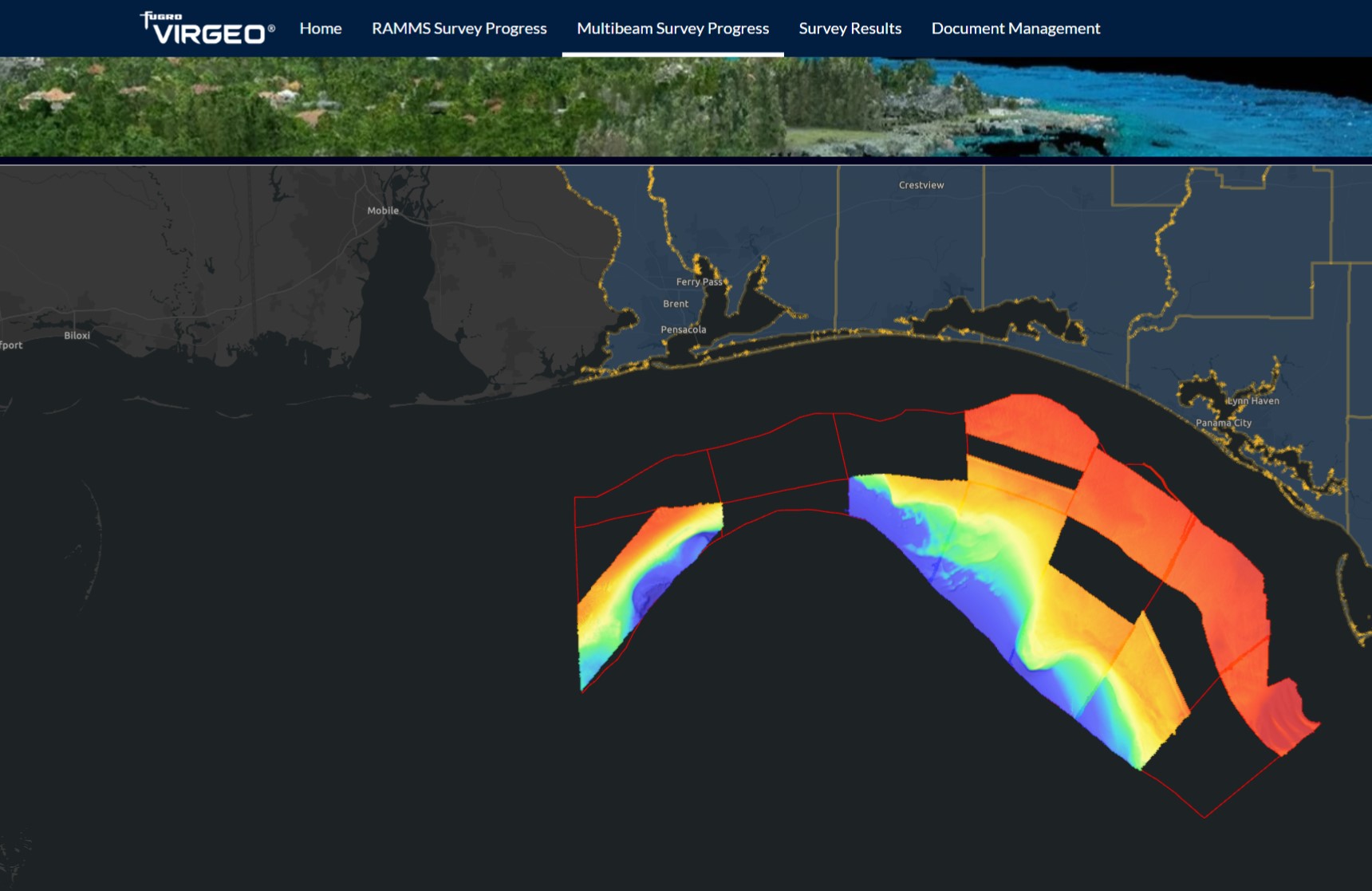
Fugro is significantly expanding its role in the Florida Seafloor Mapping Initiative (FSMI), a multiyear effort by the Florida Department of Environmental Protection (DEP) to map the state’s seafloor for improved coastal resilience, infrastructure planning and environmental protection. Building on its previous award of 14,000 square kilometres of airborne lidar data for the FSMI, Fugro is now conducting vessel-based surveys across 42,000 square kilometres offshore Florida.
This ambitious new data acquisition campaign covers five of the six Florida DEP programme regions, including the entire Atlantic Coast, the Florida Keys and portions of the Gulf Coast. Initially launched in Q4 2024 with a single survey vessel, the project has rapidly scaled to a multivessel operation. Field activities are being efficiently managed using Fugro’s innovative VirGeo® platform, which provides real-time project tracking and quality control information to both Fugro and Florida DEP.
The devastating impacts of the 2024 hurricane season highlight the critical need for proactive coastal planning in the state. By collaborating with partners like Fugro who have large-scale mapping capabilities, the FSMI is set to deliver essential data to adapt to Florida’s evolving coastline and safeguard its communities and economy.
“We’re proud to contribute to the FSMI, an investment in Florida’s future and a programme that sets an example for other coastal regions,” said Mark MacDonald, Director of Hydrography for Fugro in the Americas. “The programme’s fit-for-purpose data collection, deployed at scale, directly supports more effective coastal adaptation and mitigation strategies, maximising benefits to the state.”
Fugro is conducting 65% of the FSMI’s vessel-based programme. This significant contribution underscores Fugro’s expertise and commitment to advancing coastal resilience. Data collection is expected to be completed in late 2025, with final deliverables in 2026.

Southern Ocean study challenges key carbon pump theory
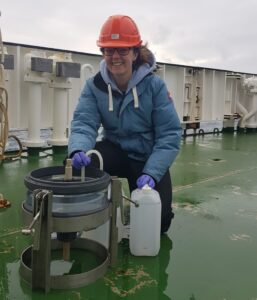 A new UK National Oceanography Centre (NOC)-led study has put a major question mark over the role a unique group of tiny microscopic plants plays in driving ocean carbon storage.
Diatoms, a type of plankton or marine algae, have a significant role in drawing carbon down into the deep, especially in the Southern Ocean, which takes up about a third of organic carbon stored in the ocean.
Uniquely, diatoms have dense, silica-based exoskeletons – like miniature glass houses – which were thought to provide ballast, making them prone to sinking and, therefore, a key way carbon is transported to the deep ocean.
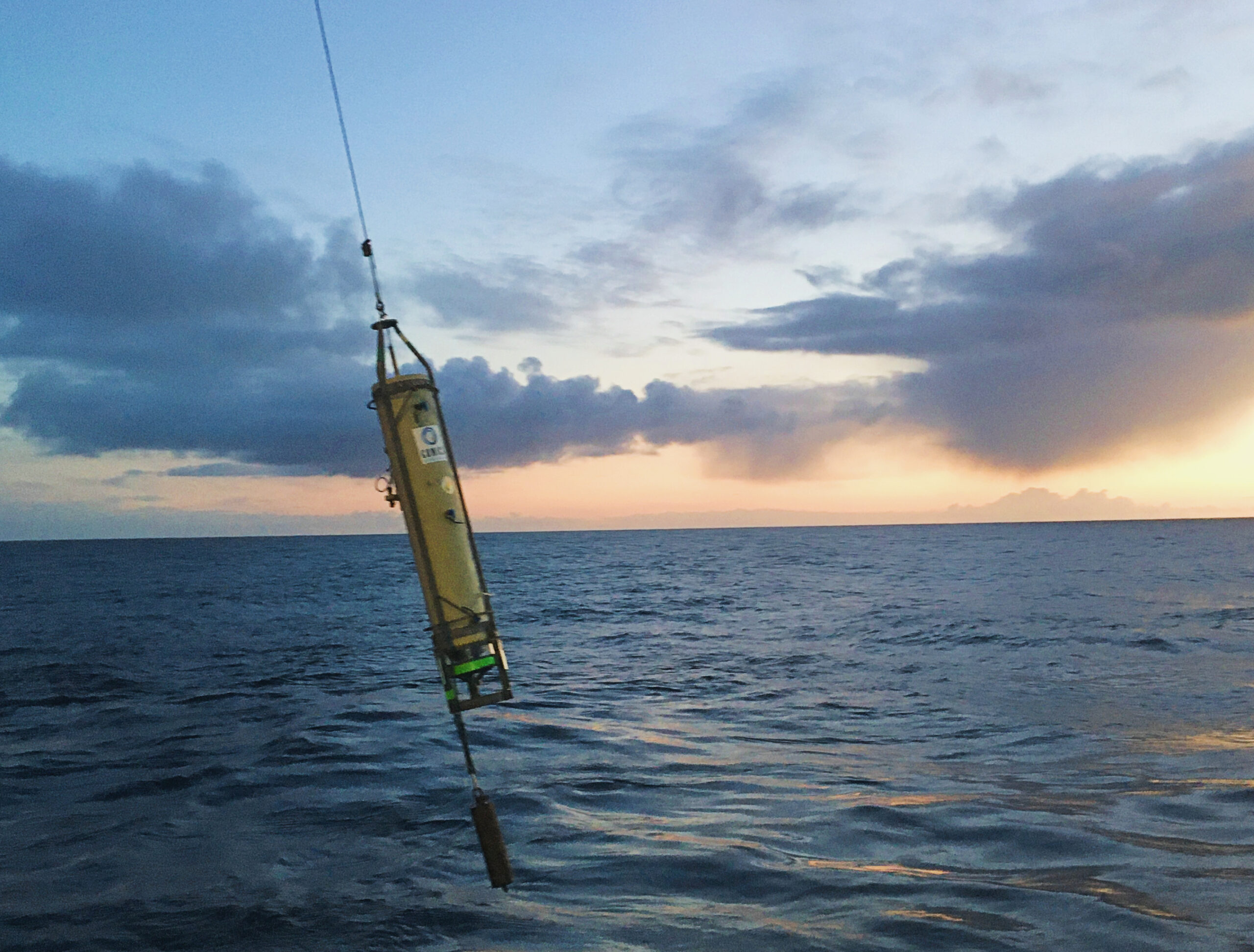
But the new study, based on data from two major expeditions to the Southern Ocean’s underexplored twilight zone – the region between ~100 m to 1,000 m deep – found that the diatom skeletons lingered near the sea surface while carbon made its way to the deep ocean by other means.
“The ocean plays a key role in the global carbon cycle, with tiny, microscopic plants taking up billions of tons of carbon from the atmosphere every year,” explains research lead Dr Sari Giering, research lead at NOC. “For years it has been believed that this group of plankton – diatoms – play a crucial role in efficiently transporting carbon to the deep ocean, where it is held out of contact with the atmosphere.
“The surprising discovery that diatoms’ silica skeletons stay near the surface while carbon makes it down to the deep ocean forces us to rethink the ecological processes in what we call the biological carbon pump.”
The biological carbon pump describes a collection of processes in which plankton take up carbon in surface waters and shunt this carbon to the deep ocean. These natural processes store billions of tonnes of carbon in the ocean each year.
“Previous studies have looked at what has ended up at the seabed, which shows carbon is making its way there typically with the aid of ballast material, such as diatom’s silica-based skeletons,” adds Dr Giering.
“But our research, looking at what happens within the twilight zone before carbon reaches the seabed, shows that diatoms are at times not contributing as heavily to the Southern Ocean’s carbon pump, as had been thought. This means there are unknown or poorly measured processes happening in the deep ocean that we need to learn more about.”
A concern has been that ocean warming could impact diatom productivity and therefore reduce the strength of the biological carbon pump in the Southern Ocean.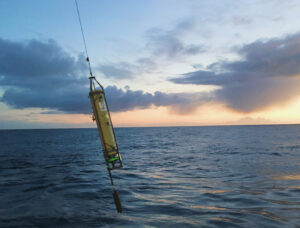
“The Southern Ocean is vulnerable to ocean warming, which may alter the availability of nutrients and reduce diatom numbers in future,” says lead author Jack Williams, a post-graduate researcher at the University of Southampton. “But our results suggest these changes may not impact the strength of Southern Ocean carbon storage as much as previously thought.
“On the other hand, carbon is still making its way to the deep, so there are unresolved processes at play in the twilight zone that we need to learn more about. Understanding these processes and how they govern carbon uptake in this hugely important part of the ocean is crucial for accurately predicting how the oceans may store carbon in the future.”
The research was conducted as part of two major NOC-led initiatives, Controls over Ocean Mesopelagic Interior Carbon Storage (COMICS) and Carbon Uptake and Seasonal Traits in Antarctic Remineralisation Depth (CUSTARD). These projects were funded by the UK’s Natural Environment Research Council (NERC) and the
European Research Council grant Advancing Novel imaging Technologies and data analyses in order to understand Interior ocean Carbon Storage (ANTICS).
Over two expeditions, each lasting more than five weeks at sea, NOC scientists and international colleagues studied the twilight zone at four different sites in the Atlantic and Pacific sectors of the Southern Ocean.
This included iron-rich waters around a remote chain of islands and nutrient-starved waters in the open ocean. The collaborative team used a combination of innovative techniques, including ship-based measurements, mooring arrays and autonomous underwater technologies.
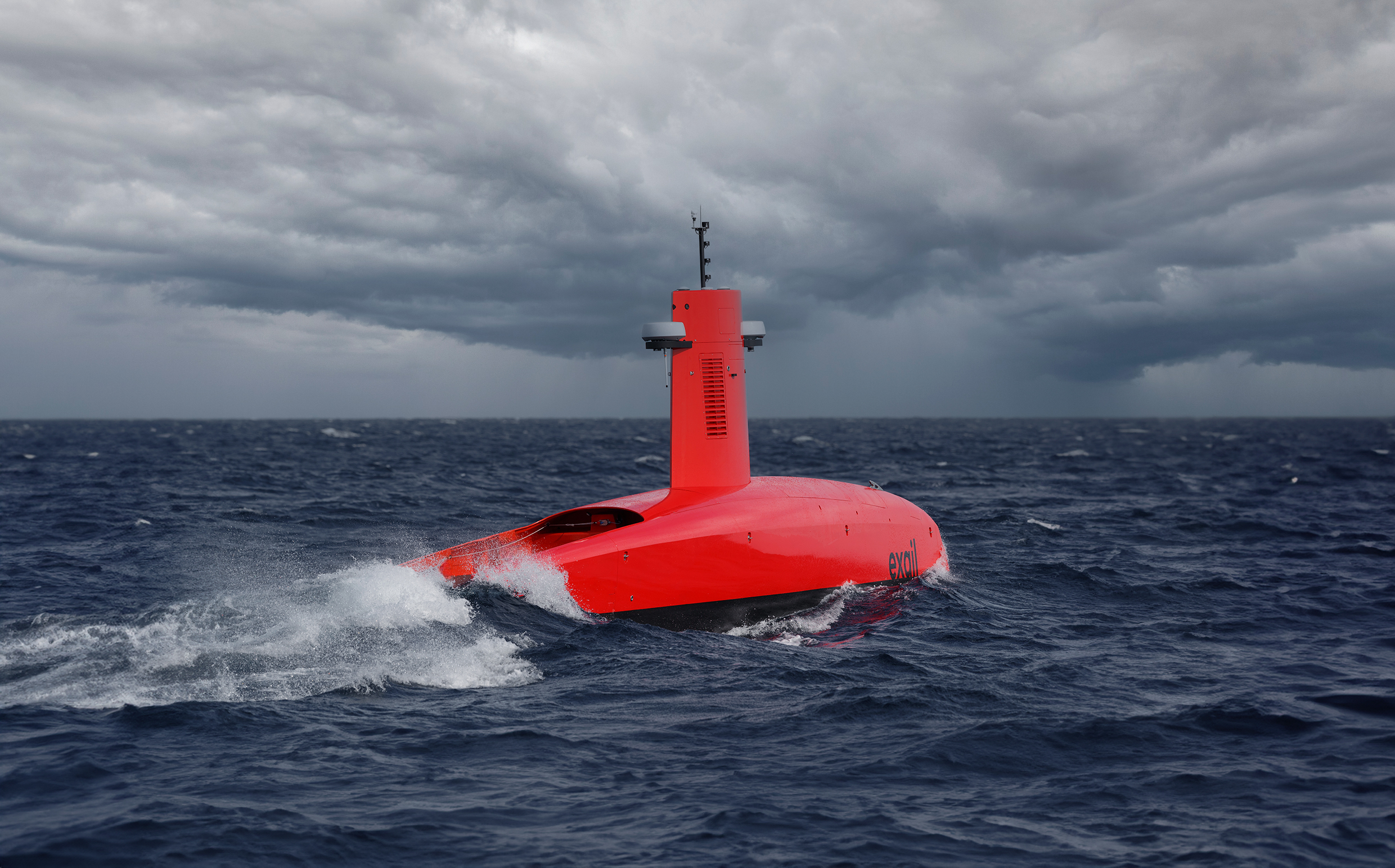
Exail announces first sale of DriX O-16 transoceanic Uncrewed Surface Vessel
 Exail is proud to announce the first sale of its DriX O-16, a transoceanic Uncrewed Surface Vessel (USV). Designed for long-range maritime operations, it has been acquired by an Indo-Pacific customer operating in the civil sector.
Equipped with advanced sensors, including a full-depth Multibeam Echosounder, the DriX O-16 enables operators to collect precise data for hydrographic, geophysical, and environmental missions. Its ability to deploy AUVs and ROVs enhances operational versatility and productivity as well as broadens the scope of its missions.
"The sale of our first DriX O-16 so close to its debut is a testament to the trust our clients place in Exail’s forward-thinking approach to maritime autonomy," said Olivier Cervantes, Exail’s VP Maritime Autonomy Solutions. The vessel quickly set new benchmarks in efficiency, endurance, and flexibility, securing the customer's confidence just three months after its christening. With its unparalleled combination of speed, endurance, and payload capacity, the DriX O-16 represents a groundbreaking step forward in Uncrewed Surface Vessel technology. It marks an exciting new chapter in the evolution of USVs and their vital role in shaping the future of modern hydrographic, survey and inspection operations.”
As the maritime industry is undergoing a strategic shift toward adopting autonomous technologies and low-carbon impact solutions, the DriX O-16 supports this transition, offering operators a sustainable alternative to traditional crewed vessels. Its hybrid propulsion and naval architecture minimize fuel consumption, while its optimized and innovative system architecture significantly reduces operational and maintenance costs, contributing to a lower environmental footprint.
With enhanced autonomy, the DriX O-16 enables extended port-to-port operations with reduced human exposure at sea and resources, aligning with the industry's push for efficient and sustainable solutions.