
CADDEN becomes distributor of Voyis solutions: a strategic partnership for underwater innovation
 CADDEN is proud to announce its new partnership with Voyis, a leader in underwater photogrammetry solutions. This partnership positions CADDEN as the distributor of Voyis technologies in France, reinforcing our commitment to providing innovative tools for a variety of underwater applications.
This strategic partnership is an opportunity for CADDEN to expand its offering with systems specially designed for underwater photogrammetry, offering unrivalled image quality and precision in the capture and analysis of underwater environments. Renowned for their accuracy and reliability, Voyis solutions are transforming the way underwater operators collect, visualize and analyze data.
High-performance technologies
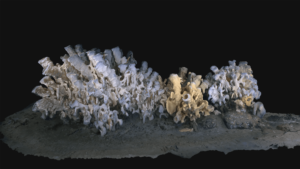
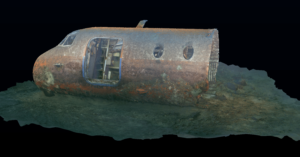
Supplier Voyis is renowned for its solutions capable of producing detailed, accurate 3D models, even under extreme conditions. These solutions are particularly well suited to underwater inspection (offshore wind farms, shipwrecks, aircraft wrecks, underwater cables, coral reefs, etc.).
«We are delighted to add Voyis to our portfolio of partners. Their expertise and visionary approach perfectly complement our mission to support our customers with ever more effective solutions.» declare Gilles DANDEC, CADDEN’s founder.
With Voyis, CADDEN confirms its commitment to providing state-of-the-art tools to meet the most complex challenges of underwater environments.
Integration of the Discovery Stereo camera on a ROV
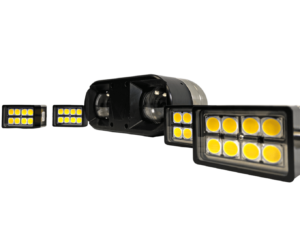
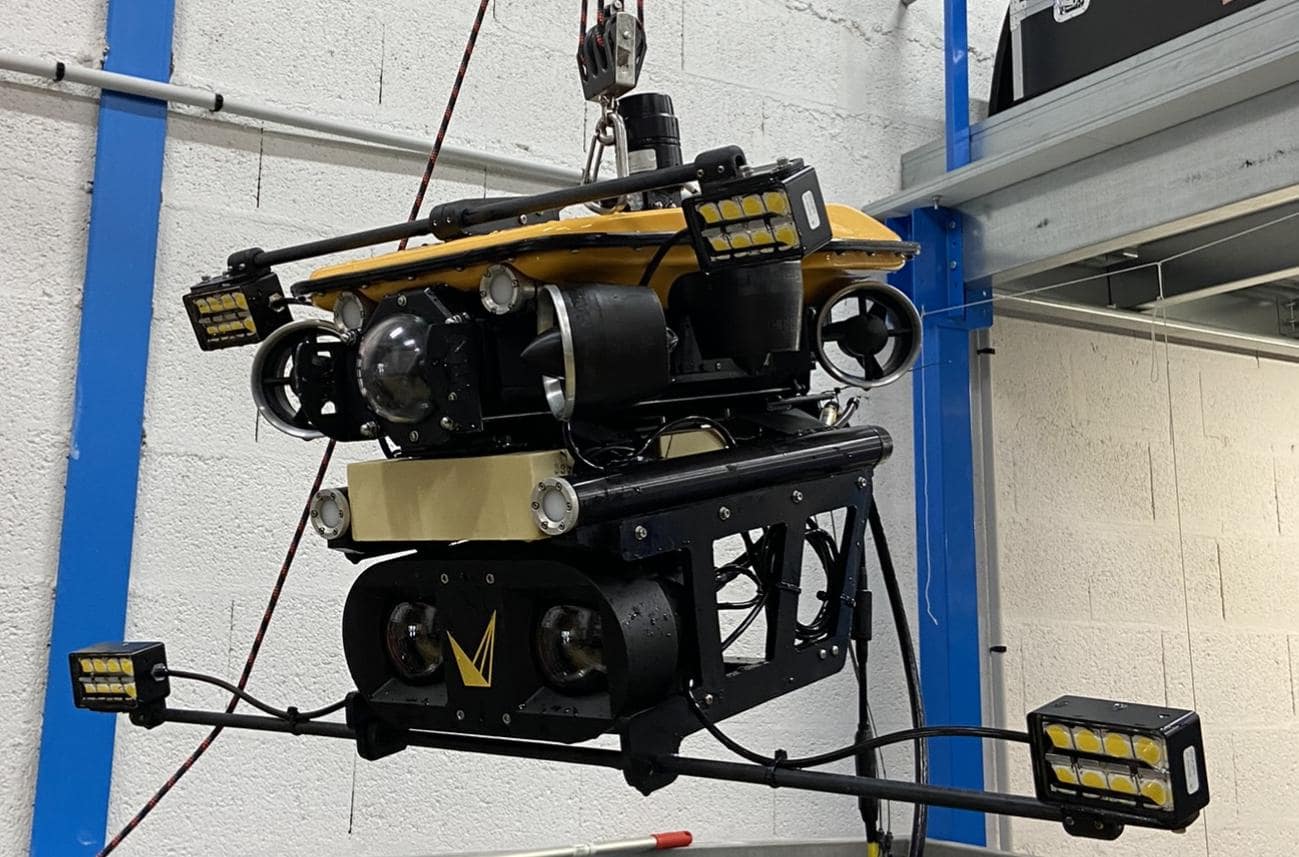
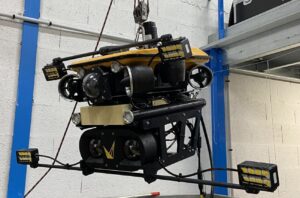
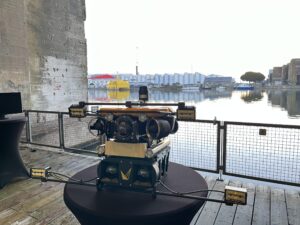
As part of its Technical Day, the CADDEN team carried out an integration of Voyis' “Discovery Stereo” vision system on the Oceanus Pro underwater drone from supplier MarineNav. This camera model requires no calibration, and only a connection to the vehicle.
This compact underwater photogrammetry camera can operate at depths of up to 4000 m, and its wide field of view delivers a low-latency 4K video stream with high-resolution optics and real-time image enhancement. From sharp still images, it facilitates computer vision and 3D modeling.
For real-time 3D reconstruction and coverage mapping, the Discovery Stero camera is supplied with VSLAM (Visual Simultaneous Localization and Mapping) software Powered by EIVA NaviSuite.
The VSLAM solution acquisition and visualization software generates a 3D model of the environment in real time to optimize obstacle avoidance, detail gathering (such as defect detection), target tracking and dynamic trajectory planning. It also integrates IMU data, vehicle navigation and high dynamic range images.

Impact Subsea Launches the ISP360 Profiling Sonar together with IS3 Acoustic Signalling Standard
Impact Subsea, a leading manufacturer of underwater sensors, is proud to announce the launch of its newest sensor, the ISP360 Profiling Sonar with IS3 acoustic signalling technology.
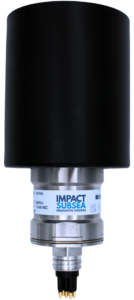
The ISP360 is a high-performance profiling sonar that sets a new standard in measurement precision and range capability.
A highly compact and power efficient 1° profiling sonar, with up to 80 meters range and a 0.35mm range accuracy. The ISP360 can be operated in profiling or imaging modes.
Acoustically the ISP360 can operate over the frequency range of 600kHz to 1,250kHz using Continuous Wave (CW), Compressed High Intensity Radar Pulse (CHIRP) or the Impact Subsea Signalling Standard (IS3). 
IS3 signalling uses advanced phase modulation and coding techniques to provide the range resolution benefits of CHIRP, but without the angular distortion inherent in CHIRP signalling. Critically IS3 also allows multiple ISP360 profilers to operate at the same frequency with significantly reduced interference. This removes the requirement for ‘ping syncing’ traditionally required for multiple mechanically scanned profilers – enabling much faster scanning capability when using multiple profilers and thus decreased survey times.
“We are excited to introduce the ISP360 Profiling Sonar to the market,” said Ben Grant, Managing Director of Impact Subsea. The ISP360 is a game-changer for underwater profiling and positioning.”
“With integrated IS3 signalling technology coupled with a highly sensitive broadband composite transducer, the ISP360 delivers unparalleled accuracy for sonar profiling with optional pitch and roll, all from a single device.”
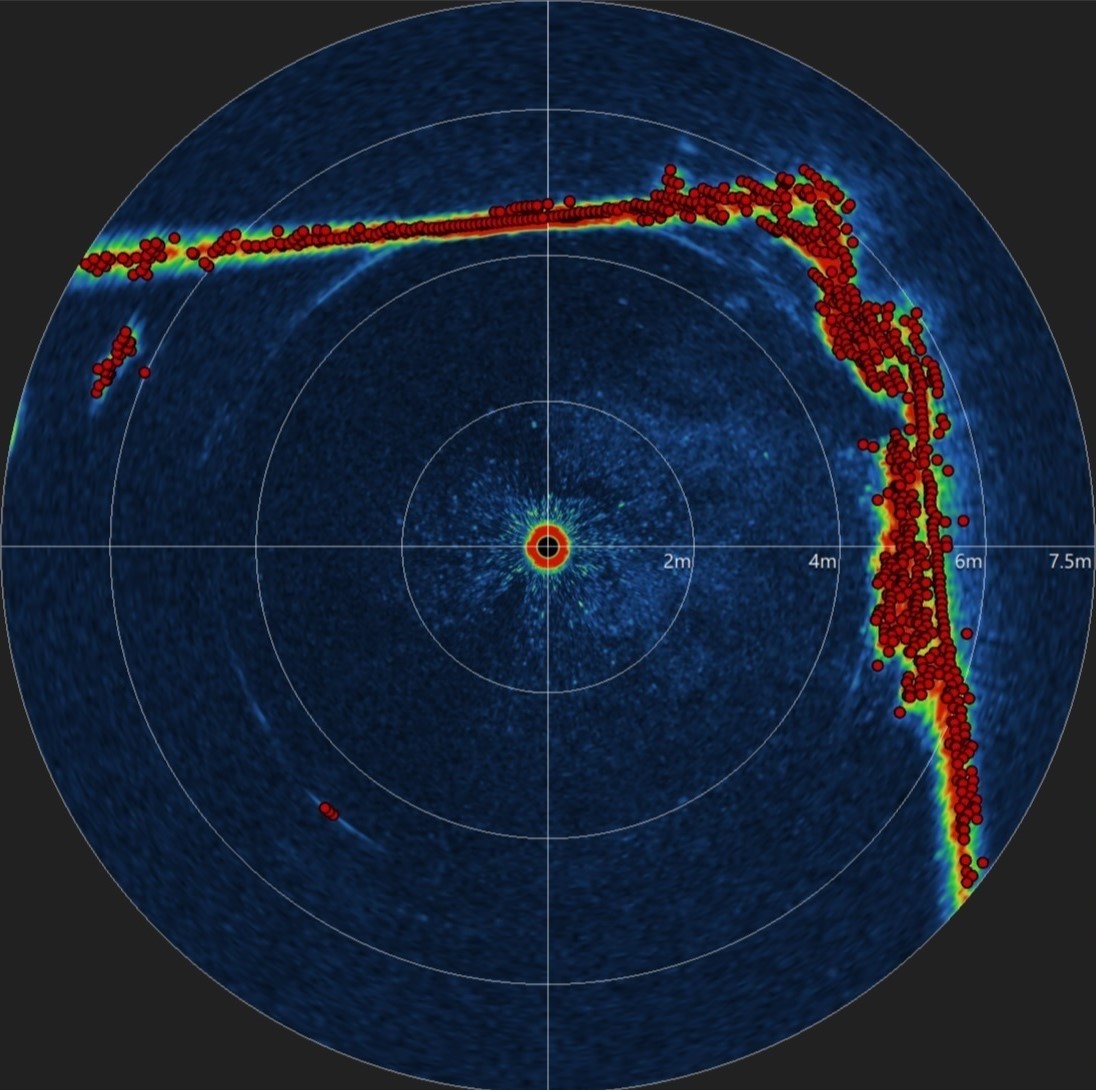
Below is example imagery and profiling data from the ISP360 Profiling Sonar:
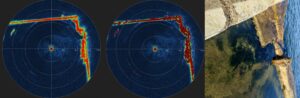
The ISP360 offers a number of key features and benefits, including:
• 1° acoustic angular resolution
• 0.35mm range accuracy
• IS3 acoustic signalling for minimised noise between multiple profilers
• Optional integration of pitch and roll for even more flexibility and control
• Integration with seaView software for operation and data generation
• Software Development Kit for direct integration into third party systems
The ISP360 is perfect for a wide range of underwater applications, including:
• Pipeline profiling
• Trench profiling
• Positioning of a vehicle in a tank
• Internal pipe & tank profiling
• Asset positioning
• Bridge foundation survey
“The ISP360 is a valuable asset for anyone who needs to collect accurate and detailed data about the underwater environment,” said Ben Grant of Impact Subsea. “With its advanced features and versatility, we are confident that the ISP360 will quickly become the industry standard for mechanically scanned sonar profiling.”
If you're looking for a powerful, all-in-one solution for your sonar profiling needs, the ISP360 is the perfect choice.

BGF invests $18.9m to drive Sulmara’s global growth ambitions
Scottish offshore services specialist eyes significant renewables opportunity
 BGF, one of the largest and most experienced growth capital investors in the UK and Ireland, announces an $18.9m (£15m) investment in Sulmara, an independent provider of innovative survey and inspection services to the offshore wind and energy markets.
The Glasgow-headquartered business was founded in 2019 and has grown rapidly to more than $70m (£55.8m) annual revenue, delivering a compound annual growth rate of 61% over the last 4 years, and building a global footprint with offices in Glasgow, Aberdeen, Norwich, Houston, Singapore and Taipei.
Sulmara’s rapid growth and success to date has come from using expertise and technology to provide more efficient survey services with a lower carbon footprint to a wide range of global clients. The business was the first services company in the offshore wind sector to be a signatory to the Climate Pledge, and has recently achieved independently verified Carbon Neutrality status against the BSI PAS 2060:2014 standard.
BGF’s investment will support Sulmara’s continued growth trajectory, including further investment in new technologies such as uncrewed surface vessels (USVs), autonomous underwater vehicles (AUVs), next generation geophysical sensors and advanced data products. The ability to use these advanced systems both alongside and with traditional survey vessels supports improved high-quality data turnaround time while significantly reducing the environmental impact of offshore projects. Sulmara are already delivering benefits for major customers around the world including Orsted, Chevron and Seaway7 using remote & innovative systems, and BGF’s investment will enable further complex and low carbon data collection in environments that pose a huge challenge to conventional methodologies.
As part of BGF’s investment, Richard Pugh and Davis Larssen will join the board as Non-Executive Directors. Both Pugh and Larssen bring many years’ experience leading and investing in energy services and technology businesses.

Kevin McBarron, Founder and CEO of Sulmara, said: “BGF’s investment comes at an important moment for the company as we look to build on the success of our technology and innovation efforts to date and to accelerate their introduction to our service offerings. This significant investment of growth capital is a vote of confidence in our strategy from an established investment partner in BGF. The international growth and breadth of services now delivered demonstrates that our approach is also resonating with our clients and supports their need to reduce Scope 3 emissions as the path to NetZero matures.
We now look forward to investing further in the technology that will allow us to deliver world-class services to support the entire offshore energy sector at a lower carbon cost.”
Richard Pugh, Investor at BGF, said: “Offshore renewables and their adjacent technologies have an increasingly important role in decarbonising our energy, and an area Scotland has world leading expertise. Sulmara’s growth in the last 3-4 years is evidence of both the quality of their operations as well as the ability of Kevin and his team to deliver for clients while also building a truly global business. Working closely with Kevin, Mike, Davis and the rest of the management team, we look forward to supporting the next stage in Sulmara’s exciting growth journey.”
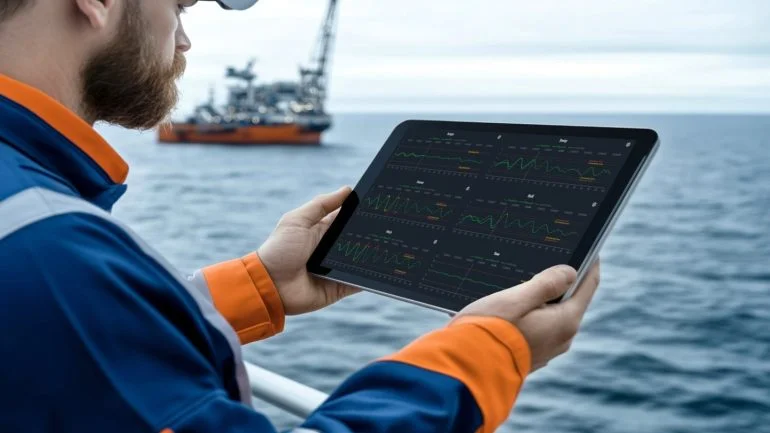
Miros Launches PredictifAI - A New Wave and Vessel Motion Prediction Technology
Miros, an industry leader in real-time ocean insights for maritime and offshore operations, has launched its new wave and vessel motion prediction technology.
This next-generation product, named ‘PredictifAI’, delivers a real-time, in-operation picture of the wave field around a vessel providing deterministic prediction of ocean waves and vessel motion in the range of seconds to a couple of minutes in advance.
PredictifAI pairs artificial intelligence (AI) with X-band radar and local high-accuracy wave height measurements to deliver a monitoring solution that automatically adapts to varying sea and weather conditions.
Miros applies this new and unique dual-source measurement concept using its WaveSystem technology, which tightly integrates measurement sources to reliably operate in both simple and complex sea states.
PredictifAI reduces the unknowns from statistical wave estimates and forecasts to achieve the level of accuracy and reliability needed for the safe management of critical operations, avoiding quick and uninformed decisions.
Crucially, the solution doesn’t require calibration, modelling, or any other twin representation of the vessel – it creates its own digital twin automatically. That means vessel owners and operators, in need of short-term, highly accurate wave and motion prediction to safeguard their critical operations, can benefit right away.
Marius Five Aarset, Miros CEO, said: “For 40 years, Miros has been a pioneer in high-quality ocean technology, relentlessly pushing boundaries to enhance the efficiency and safety of offshore operations without compromising quality. With PredictifAI it is no different and this is the next step in this development.
“PredictifAI is a further demonstration of our commitment to staying ahead of the wave, inspiring confidence that will shape the future of the sector. The result of the hard-work of our in-house team of industry experts, this next-generation technology represents a significant leap forward in maritime safety and operational efficiency.”
Collaboration has been crucial to the development of PredictifAI, with Miros’ key offshore customers being early adopters of the technology ahead of a wider rollout.
The ability to predict waves accurately and reliably in advance unlocks a wide range of benefits for the offshore sector, optimizing operational efficiency in activities such as wind turbine installation, jacking operations, cable and pipelay campaigns, diving support operations, and ROV launch.
Forecasting incoming single waves, wave trains, vessel motion patterns, and timing of these provide valuable insights for a wide range of on-deck and overside operations, and ensures better decision-making and risk management, as well as mitigating the risk of accidents in scenarios such as connecting a gangway.
PredictifAI can also feed into dynamic positioning systems, giving offshore operators advanced warning that waves with certain characteristics and vessel motion effects are approaching.
Gunnar Prytz, Miros CTO, said: “By combining AI with site-specific sea state measurements in real-time, we are giving vessel operators the power to see into the immediate future, enabling them to make informed decisions and manage critical operations with unprecedented confidence.
“When Miros was formed four decades ago the idea of wave prediction would have seemed like science fiction, but setting new standards for ocean technology has always been core to the business and I would like to thank our team for their work in making this market-leading solution a reality."
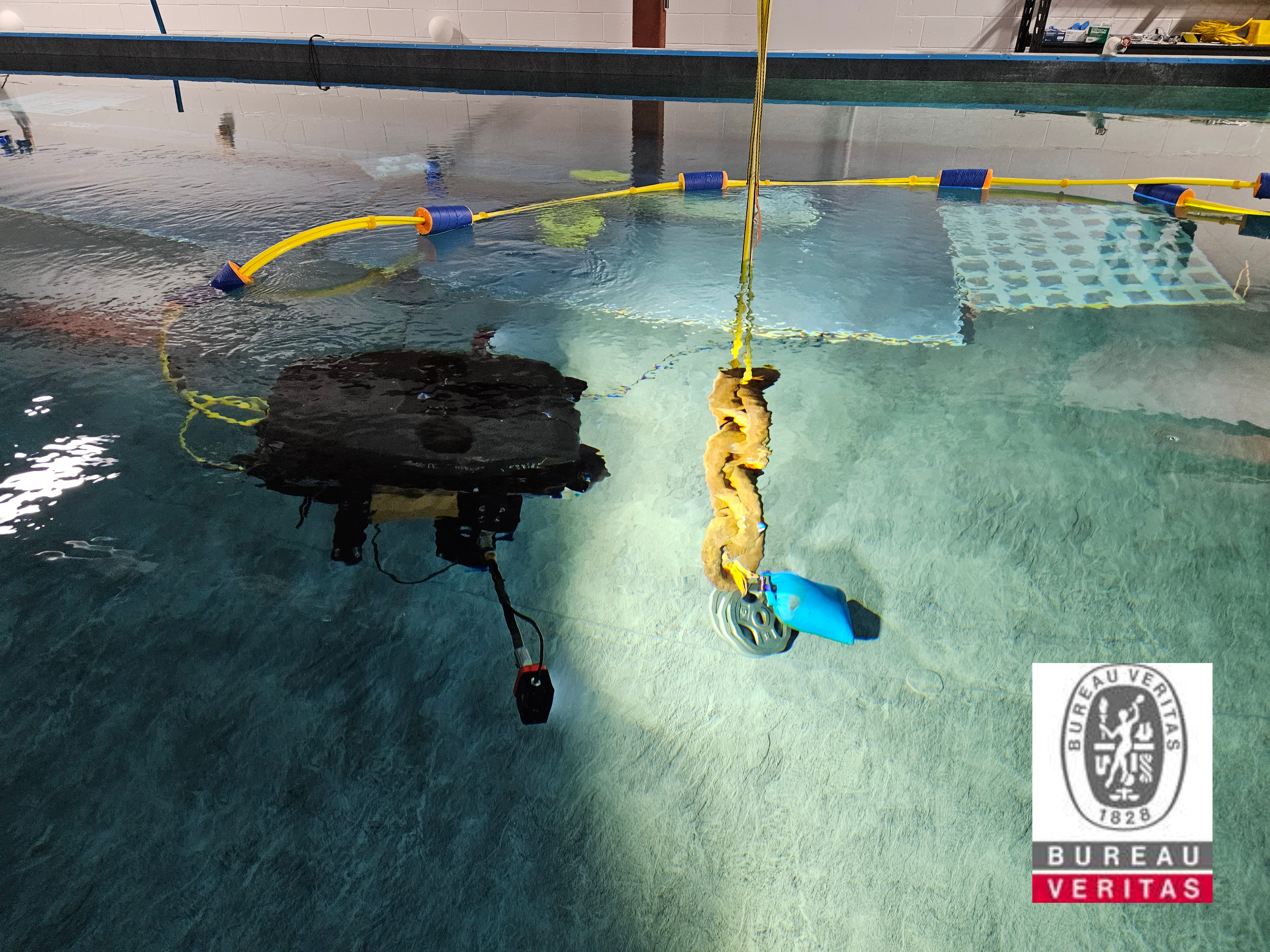
Voyis Certification Validates Unmatched Accuracy for Underwater Inspections
 Voyis Imaging Inc. announces its Discovery Stereo Vision System has achieved Bureau Veritas (BV) certification, underscoring its industry-leading accuracy in subsea metrology and mooring chain inspections. This third-party validation reinforces Voyis’ leading position in the subsea inspection market, where accuracy is paramount for ensuring reliable measurements of underwater assets.
The Bureau Veritas Certification is based on rigorous testing procedures, including subsea metrology and mooring chain inspection accuracy assessments. The Discovery Stereo Vision System’s linear accuracy, validated at less than 0.3mm error per meter, supports confident distance metrology measurements, Voyis achieved an exceptional result, exceeding the 0.3mm requirement, underscoring the device’s impressive capability. For localized inspection needs, such as mooring chain and defect metrology, the camera demonstrated a local accuracy of less than ±0.5mm, with results outperforming this specification in BV testing on chain link diameter and width measurements.
Following the successful certification of system accuracy, Voyis has introduced a significant industry advantage by ensuring that every Discovery Stereo Vision System undergoes the same linear accuracy verification test as executed by BV before every system delivery. While 3rd Party Certifications are only conducted on a single reference unit,
Voyis ensures that each product is delivered with a calibration report that documents the unit’s accuracy in distance metrology, bringing forward a new standard of confidence by eliminating the need for additional validation by customers.
Voyis’ proprietary calibration process is integral to achieving these high accuracy standards. Incorporating highly refined intrinsic and extrinsic calibration phases, the process also optimizes each unit’s optical alignment to ensure the highest quality focus and camera-pair consistency. Each Discovery Stereo unit produces clear, high-resolution 3D reconstructions in real-time. This industry-leading calibration process, and unique optical design, ensures end-users can rely on consistent, high-precision measurements without additional in-field verifications, simplifying and expediting operations in varied underwater environments.
Voyis has achieved this milestone through innovative design features crucial for delivering accuracy in subsea stereographic imaging. With high-resolution global shutter sensors, a distortion-free dome viewport, and advanced HDR image processing algorithms, the Discovery Stereo Vision System captures precise, and accurate datasets even in dynamic underwater conditions. These advances, along with optimized stereo baseline spacing and precise camera synchronization, make the Discovery Stereo a top choice for complex underwater inspections.
The Bureau Veritas Certification not only affirms the Discovery Stereo Camera’s accuracy but also allows Voyis to raise the bar in confirming system performance, by delivering every unit with the same degree of accuracy validation. As we continue to push the boundaries of subsea inspection technology, this certification reinforces our commitment to quality and accuracy for our customers around the world.
General Oceans Acquires RS Aqua
Growing underwater technology group, General Oceans, has acquired ocean technology specialists RS Aqua as of Monday 18th November 2024 in a move that will strengthen the positions of both companies.
General Oceans, like RS Aqua, are innovators within the ocean technology sector and have successfully completed a number of recent acquisitions in the underwater technology market including Tritech International Ltd in 2022 and Klein Marine Systems in 2023. General Oceans reported revenues of GBP 62 million in 2023, an increase of 28 per cent compared to 2022, and now consists of six operating companies including RS Aqua. General Oceans employs more than 300 people based in Europe, UK, US and Australia.
Atle Lohrmann, President of General Oceans, said “RS Aqua are an important acquisition for General Oceans and we couldn’t be happier they are joining the group. We believe RS Aqua will play a significant role in strengthening the position of General Oceans within the UK market, and vice versa. There are significant opportunities for collaboration and partnerships for RS Aqua within the group: something that is fundamental to General Oceans.”
RS Aqua have over 40 years experience of supplying ocean technology sensors and systems across a variety of sectors and are a leader in their field. Based in Portsmouth, UK, RS Aqua are in a strong position within the UK underwater technology market making them an excellent addition to General Oceans.
Martin Stemp, Managing Director of RS Aqua said “I’m delighted that RS Aqua has joined the General Oceans group. We share a passion and commitment to ocean technology innovation and I’m excited for this next crucial stage of RS Aqua’s growth.”
RS Aqua will continue to operate as an autonomous business within General Oceans and it is their shared commitment to growth, technology and innovation, combined with shared values to drive future exploration, that brings both businesses together and paves the way for an exciting future.
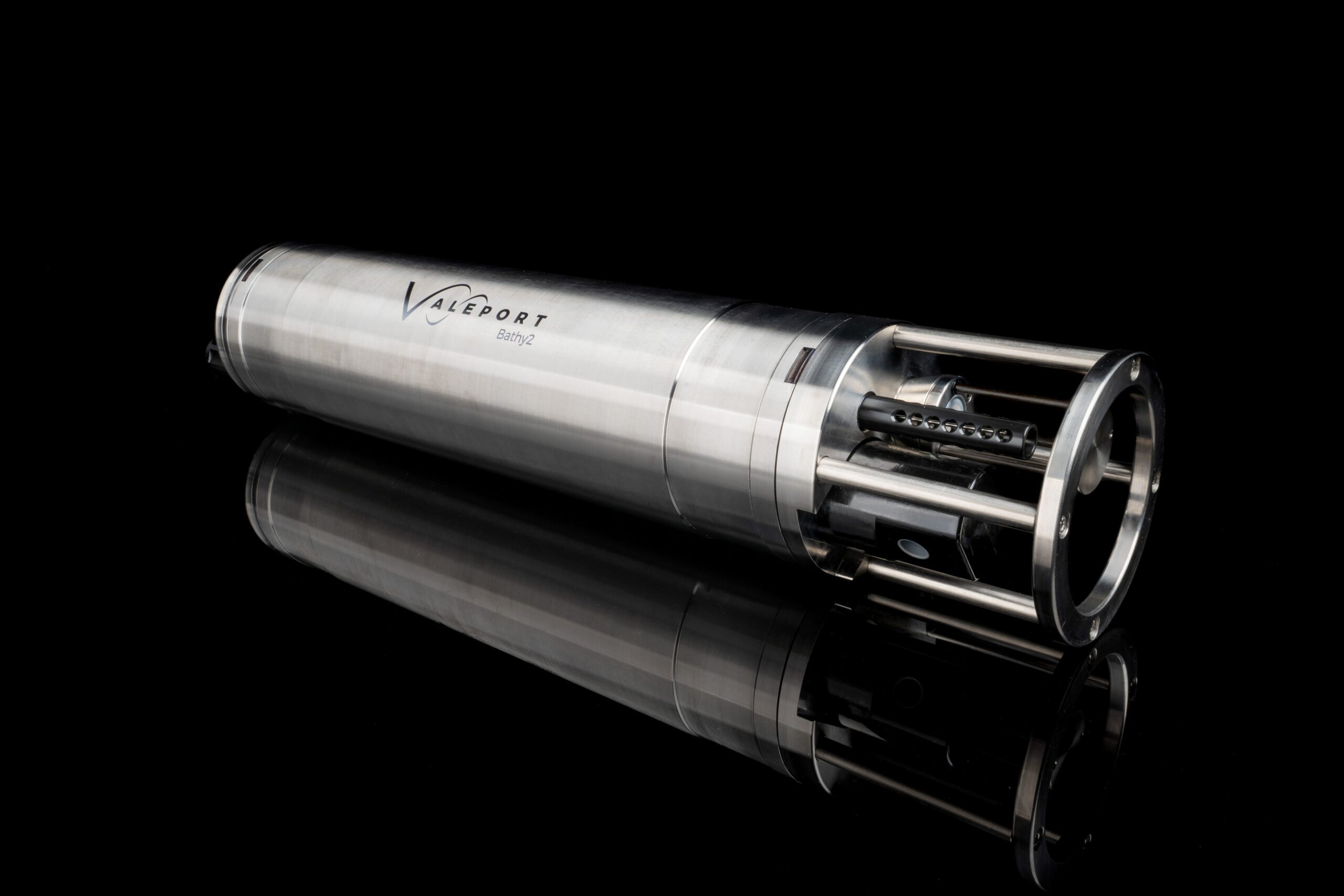
Teledyne Valeport Welcomes Major Equipment Investment from NOR Offshore Rental to Boost UK and Global Operations

Teledyne Valeport, a leader in oceanographic and hydrographic instrumentation, is pleased to announce a substantial investment from NOR Offshore Rental (NOR), as NOR makes a significant new order for Valeport technology for its subsidiary, in Aberdeen, NOR LTD.
As part of a global growth strategy, NOR has expanded its equipment pool with a selection of Valeport precision instruments, including the Bathy 2, Midas SVX2, miniSVS, miniIPS2, and Model 106. These investments are designed to enhance NOR’s ability to meet the growing demand for its services and equipment both in the UK and worldwide.
This strategic investment will equip NOR LTD with the same state-of-the-art capabilities available from NOR's headquarters in Norway, allowing the company to mobilise equipment and services with greater speed and efficiency from both sides of the North Sea.
The move underscores NOR's commitment to providing clients with the best marine technology available and streamlining operations across its global network.
NOR’s Chief Commercial Officer, Jostein Jansen, emphasised the importance of this investment in Valeport’s equipment:
“The addition of Teledyne Valeport’s technology to our rental pool enables us to offer advanced solutions to our clients. This investment is a significant step forward in our efforts to align our UK subsidiary with the same comprehensive quality offer we deliver from our headquarters. With expanded capabilities in Aberdeen, we are confident we can serve our clients with greater speed, efficiency, and reliability.”
As part of this expansion, NOR LTD will be relocating to a larger facility in Aberdeen—triple the size of their current premises— to further support their growth in the region.
This larger footprint will enable faster mobilisation of equipment, improved logistics, and strengthened service delivery to support their clients in the North Sea and beyond.
Kevin Edwards, Chief Commercial Operations at Teledyne Valeport, welcomed the investment:
"NOR’s continued investment in our instruments reflects the trust they place in the quality and precision of our technology. We look forward to supporting NOR as they grow their operations and continue to serve their clients globally with the best in marine instrumentation."
This investment forms a core part of NOR’s larger strategy to meet the increasing global demand for its services. Alongside expanding its presence in the UK, NOR is also investing in Valeport equipment for deployment in key regions worldwide, further reinforcing their role as a leading provider of advanced offshore rental solutions.
For more information about Teledyne Valeport and its range of solutions, please visit www.valeport.co.uk.
For more information about NOR, please visit www.offshorerental.no

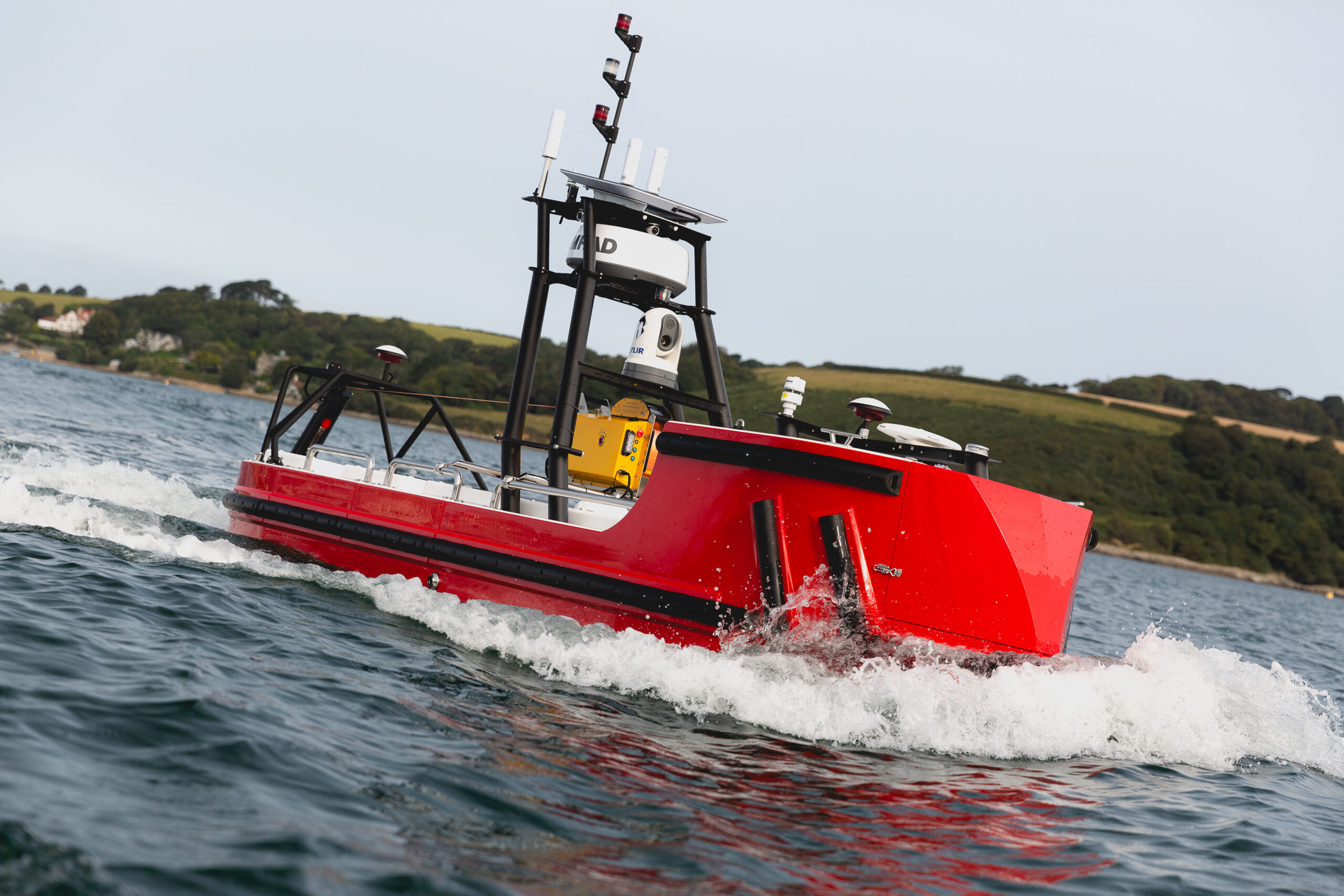
USV marine data acquisition specialist Uncrewed Survey Solutions unveils its rebrand alongside new messaging and enhanced offerings
The UK’s innovative specialist marine data acquisition provider and USV manufacturer, Uncrewed Survey Solutions (USS) has unveiled its new corporate identity, alongside new messaging and enhanced offerings.
Formerly Unmanned Survey Solutions, the company and the maritime sector has evolved since its inception, therefore the corporate revitalisation reflects the rapid development and of the business, the sector and associated technology, particularly across Maritime Autonomous Surface Ships (MASS).
Uncrewed Survey Solutions (USS), builds and operates its own fleet of Uncrewed Surface Vessels (USV), and delivers customised marine data collection projects and missions primarily across the hydrographic and geophysical domains.
The utilisation of USS’ specialist innovative Accession and Inception class USVs, enables customers to swiftly transition from traditional crewed vessel solutions to more safer, highly efficient, and greener operations.
James Williams, USS’ CEO comments, “Having been involved in the marine acquisition and USV market since its advent, it was timely that the business underwent this revitalisation of its branding, messaging and identity. This has been achieved in line with the evolving nature of the industry, and as a reflection of how our offering to meet customers’ needs have evolved since our business’ inception.”
He continues, “As a pioneering technology-based business that solely uses USVs to facilitate high quality marine data acquisition and management, we are delighted to unveil Uncrewed Survey Solutions (USS) as our new brand on the eve of implementing our genesis and growth strategy.”
Uncrewed Survey Solutions (USS) new website showcases USS’ own range of designed and self-manufactured survey USVs, together with USS’ comprehensive suite of marine data acquisition and management solutions.
Visit the new website at www.uncrewedsurveysolutions.com to find out more.
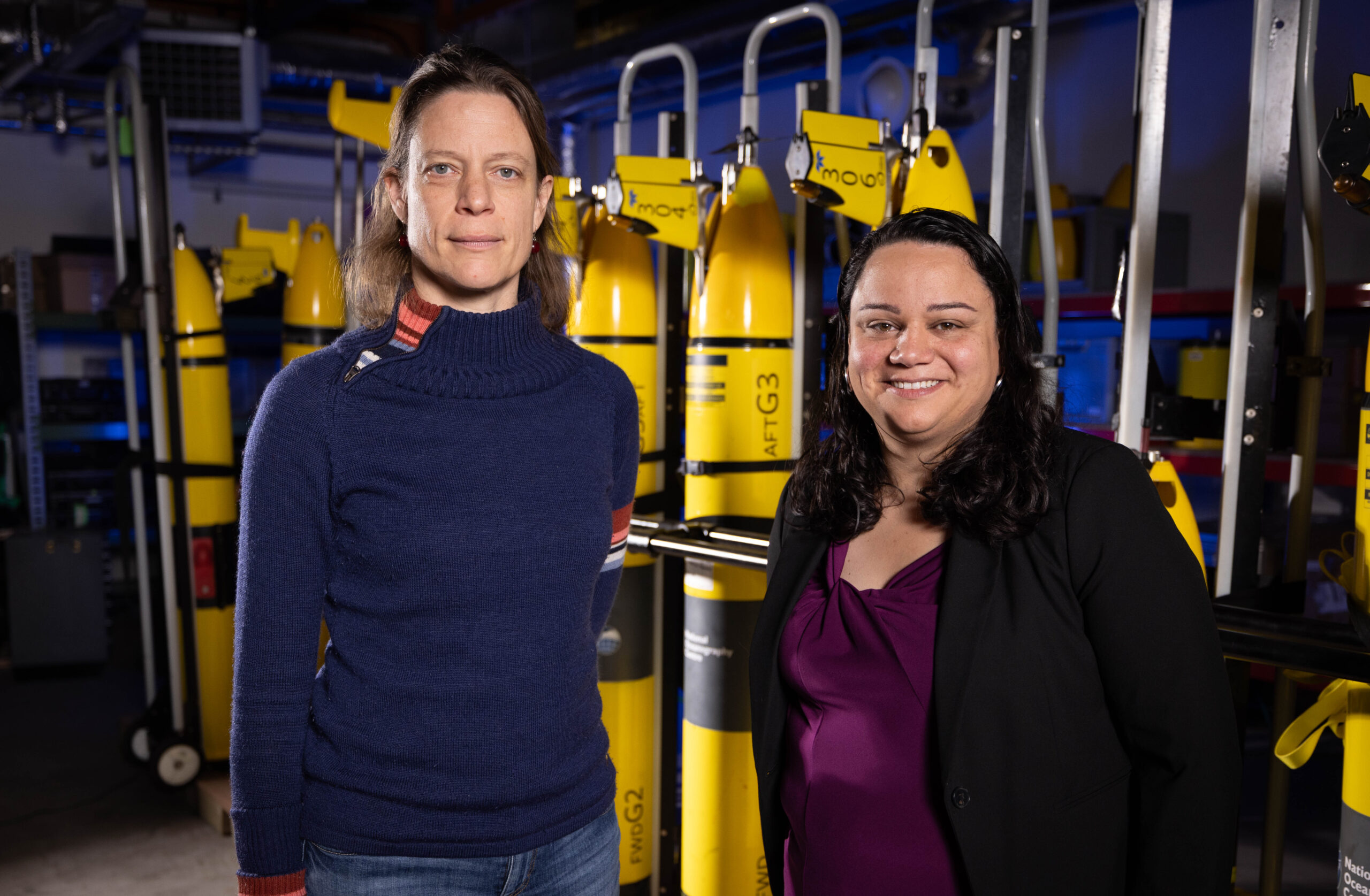
Chief scientists appointed to connect marine science and robotics
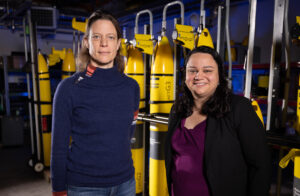
Two new chief scientists have been appointed to the National Oceanography Centre’s (NOC) Marine Autonomous Robotic Systems (MARS) Group.
Dr Veerle Huvenne and Dr Filipa Carvalho will work to increase engagement with the marine science community, raise awareness of the robotics available to them and seek input on future technological developments.
These appointments into MARS mark a significant commitment by the UK's National Marine Facilities (NMF), delivered by NOC, to strengthen links between science and engineering. A key element of NMF is the UK’s National Marine Equipment Pool, which MARS supports with its deep expertise on autonomous and robotic systems for use in marine research.
In their new roles, alongside their existing science commitments, Dr Huvenne and Dr Carvalho will work closely with the UK marine science sector to promote greater adoption and integration of MARS technology across the field.
They will also provide scientific insight for the advancement of MARS technologies, showcase accessibility and increase awareness of these technologies and foster a user community to share knowledge, expertise and best practices.
“We are excited to welcome Dr Huvenne and Dr Carvalho to the MARS team,” says Dr Alexander Phillips, head of MARS. “Their experience and dedication to marine science will play a pivotal role in bridging the gap between MARS innovations and the broader research community, driving forward our mission to enable cutting-edge marine research with autonomous technologies.
“We are looking forward to championing community-driven engagement and providing the scientific input that’s essential to the continued development of MARS technologies,” says Dr Huvenne.
“By focusing on user accessibility and community-building, the chief scientists will help to make MARS resources more visible and impactful for all UK marine scientists,” adds Dr Carvalho. “Our goal is to increase the use of marine robotics, driven by science need.”
Dr Huvenne is a marine geoscientist with more than 20 years of experience in the study of complex deep-sea environments such as cold-water coral reefs, submarine canyons, hydrothermal vents or seamounts. She is currently Associate Head of Ocean BioGeosciences at NOC.
Dr Carvalho is an oceanographer interested in biophysical interactions and the biological carbon pump and uses data from underwater gliders as well as other autonomous platforms, remote sensing and shipboard oceanographic data in her work.
Discover more: https://noc.ac.uk/facilities
BioSonics Launches First Fully Autonomous Scientific Split Beam
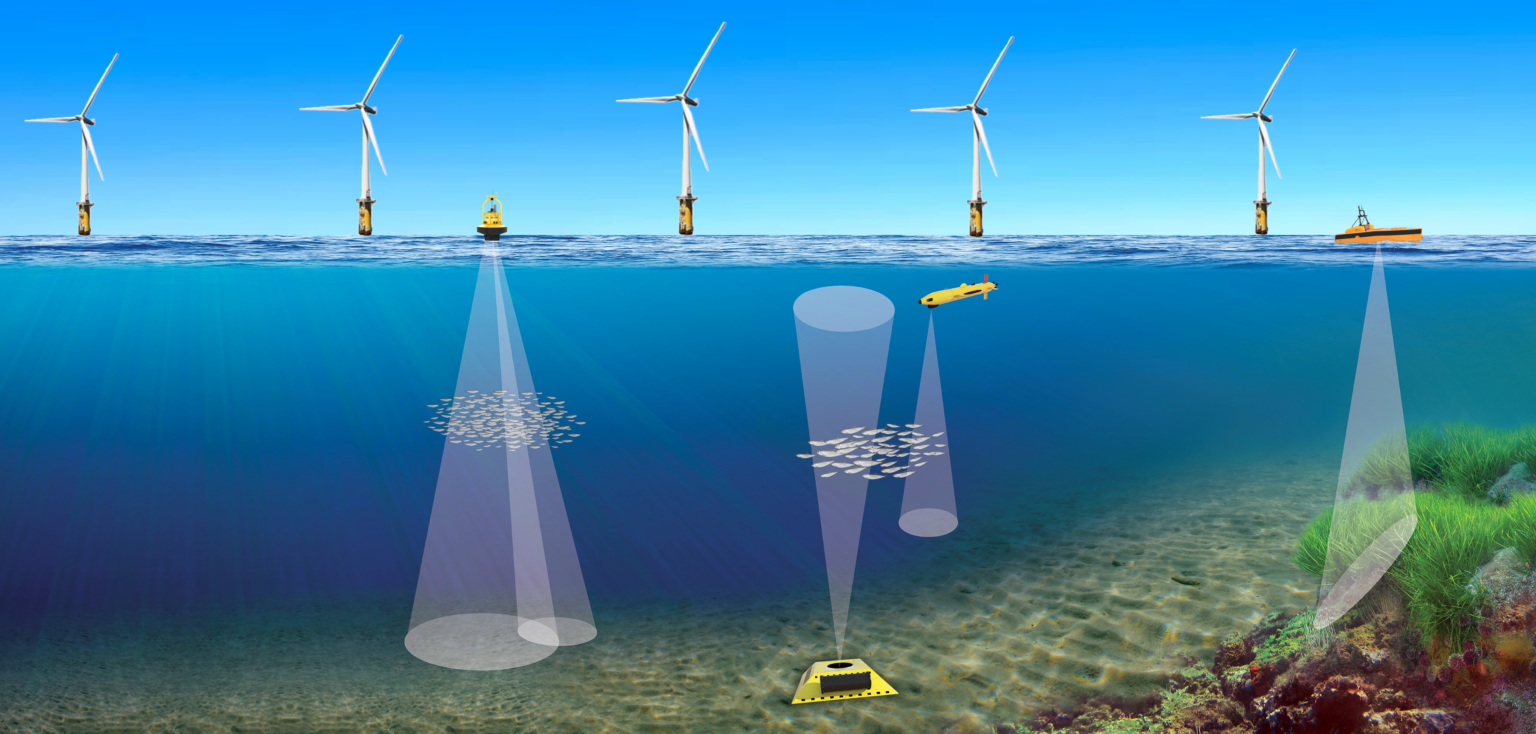
 On the leading edge of scientific sonar technology since 1978, Seattle-based BioSonics today unveiled their latest innovation in underwater monitoring, the DTZ Explore. This compact, low-power, split beam sonar system is the first of its kind and opens up new exciting possibilities in underwater monitoring to support ocean intelligence and environmentally responsible development of offshore energy, aquaculture, research and more.
DTZ Explore brings the power of a traditional vessel-mounted sonar system into a compact, energy-efficient package. The small but mighty DTZ Explore gives access to a full water column while producing quantitative datasets to assess biodiversity and marine life with always-on data collection and real-time reporting. The efficient device provides the most scientifically defensible data possible on a wide range of organisms from plankton to whales.
The 6-watt device features BioSonics’ split beam sonar technology, cutting-edge System-on-Chip (SoC) architecture, and an integrated Linux-operating system, all inside a fully submersible device the size of a volleyball. It autonomously collects and stores high-resolution marine life data, processing it in real-time with onboard Edge computing, and transmits critical insights via Ethernet or RS-232, with cloud connectivity.
“Split beam sonar methods are considered the gold standard for providing precise, defensible scientific data for monitoring aquatic life and behavior” said BioSonics CEO Tim Acker. “Data that is needed for project permitting and stakeholder acceptance. Traditional split beam sonar sensors typically required deployment from crewed vessels. The DTZ Explore can easily attach to any uncrewed mobile or fixed platform of choice.”
Whether monitoring fish schools and marine mammals around offshore energy sites or tracking aquaculture behavior and health, DTZ Explore simplifies operations with its plug-and-play design and versatile deployment as an external sensor on mobile or fixed uncrewed platforms, such as UUVs, USVs, data buoys, seabed landers, ADCPs, and ocean observatories.
“The DTZ Explore is the culmination of a multi-year development plan to invent the world’s most advanced, compact, and easy to use split beam sonar system,” said Acker. “We’re proud of our dedicated team of scientists and engineers who believed in our vision and poured their passion and incredible talent into making the DTZ a reality. With the right strategic partners, we look forward to getting this in the hands of marine tech, offshore energy, and aquaculture companies worldwide.”