

MacArtney Group Announces the Appointment of a New UK Managing Director
MacArtney Group can announce that it has appointed a new Managing Director for its UK operations. Phil Middleton will be joining the group from 1 December, where he will be heading up MacArtney’s UK operations based out of Aberdeen.
 Phil Middleton comes to MacArtney Group from the marine technology company Seatronics, where he has developed a wealth of experience in underwater technology over 18 years working his way up the ranks to become Group Managing Director, a post he has held for the past five years.
According to Rasmus F. Bonde, Chief Business Development Officer for MacArtney Group, Phil Middleton represents a big scoop for the company.
“I am excited about working with Phil and harnessing his ability and drive to grow our business,” states Bonde. “He has strong industry experience, a good reputation and an excellent network, as well as considerable knowledge of marine and offshore markets and the needs of our customers. He fits our profile and has a proven track record.”
Will be heading up MacArtney’s UK operations
MacArtney’s UK operations are one of the group’s largest outside of Denmark and service customers in offshore energy, ocean science and the naval sector. The UK operations employ a staff of just over 50 and offer the complete MacArtney range of underwater connectivity and technology products and solutions. This includes workshop facilities, where the focus is on the company’s core competencies, such as moulding cables and servicing the UK market with high-quality connectivity products.
MacArtney’s CEO, Claus Omann, also has high expectations for the new UK managing director.
“Phil Middleton will not only bring strong leadership into our UK operations, but will also be a strong strategic sparring partner for the global MacArtney management, where he will be a valuable asset,” he says.
Excited to build on MacArtney’s growth potential
Phil Middleton is just as thrilled to begin unleashing the rich potential of the UK market and join his new colleagues at one of the most reputable companies in underwater technology. Phil Middleton says about the new position:
“I have been aware of the MacArtney brand and heritage for many years, so I’m genuinely excited about being a part of the team and building on the great foundation and growth potential in the business. I look forward to meeting our existing client base and introducing new clients to the class leading products which MacArtney can offer across the energy sector.”
Global reach, local service
Middleton was attracted to MacArtney due to its roots as a family business combined with a global mindset. He sees it as an agile company, and MacArtney’s straight-forward approach to the tasks and challenges it encounters is particularly appealing to him.
MacArtney has significant growth plans for the UK, something Middleton is also excited about.
“I see it as an opportunity to re-energize MacArtney UK moving forward,” he says eagerly
For more information visit: www.macartney.com

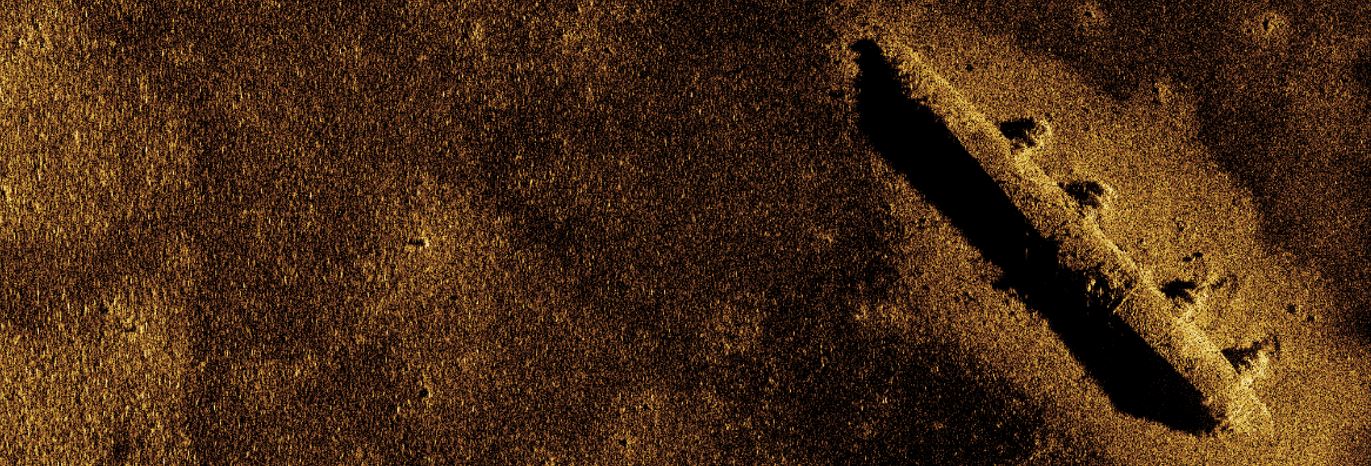
Kraken Robotics MINSAS Now Available on the Teledyne Gavia AUV
Teledyne Gavia, manufacturer of Gavia, SeaRaptor and Osprey Autonomous Underwater Vehicle (AUV), announces the integration of the Kraken Robotics MINSAS Interferometric Synthetic Aperture Sonar (SAS).
The MINSAS is an off the shelf configurable Interferometric Synthetic Aperture Sonar (SAS) which replaces high end sidescan systems at an affordable price, while delivering significantly higher resolution, range, and area coverage rates (ACR). The increased range and resolution and associated higher ACR of SAS over traditional systems can significantly expand the capabilities of Teledyne Gavia AUV systems for a variety of tasks for naval, scientific and commercial applications
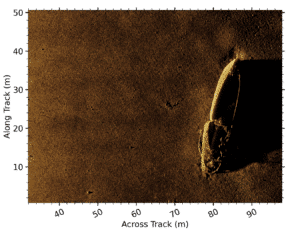 During the initial integration of the Kraken MINSAS at Teledyne Gavia facilities in Kopavogur Iceland a Gavia class vehicle was utilized. Due to the modular design of the Gavia AUV it was possible to use a Kraken MINSAS demonstration payload that was designed for a third party AUV along with a Gavia module adaptor to conduct sea trials. The ability of Gavia AUVs to carry payloads from other commercially available AUV systems further highlights the benefits of a truly plug and play modular system for unmatched versatility. The Integration and testing of the MINSAS culminated in operations with the Icelandic Coast Guard to examine targets of interest including what is believed to be the remnant of a B-24 bomber operated by the RAF for ASW patrols during WW2 and shipwrecks from the same period found in Icelandic waters.
Equipping the Gavia AUV with Synthetic Aperture Sonar enables the Gavia AUV to provide both bathymetry and high resolution / high area coverage sonar coverage which is ideally suited for a variety of applications including mine countermeasures, SAR and other operations where speed of response and actionable data are paramount. The low logistics Gavia class vehicles will utilize the MINSAS 60 system while the larger Osprey and SeaRaptor AUVs are capable of carrying the larger MINSAS 120 configuration.
For more information visit: www.teledynegavia.com

New HD-IP or HD-SDI Manta Camera Released
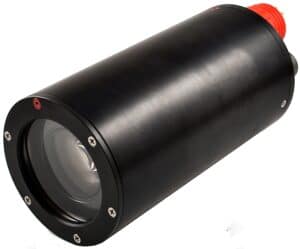
Arctic Rays, LLC has released Manta HD, a small HD-IP or HD-SDI underwater camera.
The Onvif profile S compliant Manta HD camera is capable of a resolution of 1920 x 1080 at 30 fps (1080p30 full HD), features a 30x optical zoom and on-board recording to an SD card. An additional connector is offered to provide power and control for an external pan & tilt or light.
The compact design measures 82.6mm (3.25in) diameter by 198mm (7.8in) long with connector and weighs 1.21 kg (2.67 lbs) in air and .34 kg (.75 lbs) in seawater. Housed in a 6061-T6 AHC aluminum housing with acrylic lens, it is rated to 1,000 meters (3,300 feet).
For more information, contact us at www.arcticrays.com or email us at [email protected].
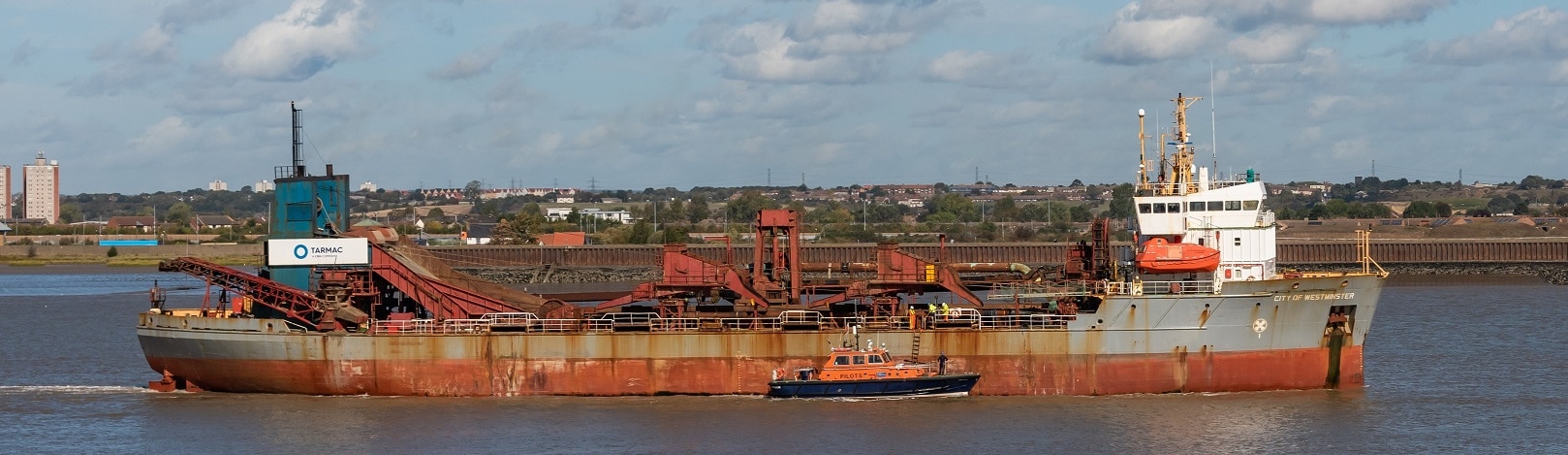
Final Call to Complete the SMI Mas Survey
The Society of Maritime Industries is undertaking this short survey to ascertain the scope and size of Maritime Autonomous Systems (MAS) for UK business.
The aggregated data will be used by the MAS Council in SMI to engage with government stakeholders to demonstrate the economic importance of MAS to the UK and to develop business opportunities for UK enterprises in this sector.
Please complete the survey by 18th December to support the industry:
https://www.surveymonkey.co.uk/r/LPCCKB3
For more information visit: www.maritimeindustries.org
DLM 3D Prints Safety Release for Drone-Lifted Dipping Sonars
Dynamic Load Monitoring (UK) Ltd (DLM), of Southampton, UK has 3D printed a fully-functioning prototype safety release mechanism for dipping sonars manufactured by Thurn Group Ltd. The product, which is approx. 211mm high and 85mm in diameter, weighs just 466 grams.
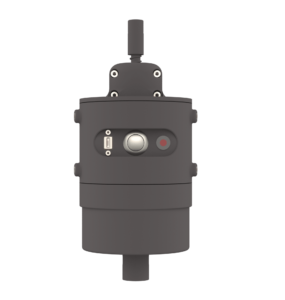 Thurn, a Norwich, UK-based manufacturer of underwater survey technology, is launching a new range of dipping sonars carried by roto-copter drones. The target market for Thurn’s innovative products are customers that are required to navigate and survey inaccessible and dangerous waterways where hidden sunken tangle hazards maybe present. The dipping sonars drag sensors through the water on a predefined route, autonomously. DLM’s attachment, which was delivered in one piece, will be fixed to the underside of the drone.
Dr. T.M. Hiller, General Manager (and founder) at Thurn Group Ltd., said: “We are hoping to supply these worldwide with dipping sonars, to many different customers and industries. This is an enabling technology that will allow safer drone operations over water wherever dipping sonars are employed, significantly reducing the risk of losing the drone. We looked at other suppliers too, but DLM’s solution was up to specification and we are looking forward to using it.”
The release can be activated in three ways: via a pull of a certain force for a length of time, for example, 2kg for four seconds; via a 3.3V signal from the drone triggered manually on the drone’s handheld controller; or via a 3.3V signal from the drone triggered by the drone control software. The drone software can be programmed to look for errors in flight behaviour, such as the payload swinging too much. The operator that is watching the drone, meanwhile, can look out for problems the software does not see. In all instances, the drone can return safely and the waterproof sonar picked up later utilising a tracking signal.
Field testing
Hiller confirmed that field tests will begin “within weeks”. The final product may also be 3D printed. DLM has not immediately designed other sizes, but the product facilitates simple change of the load spring to suit different load applications. This means that if a stronger spring is installed in the top of the mechanism its takes more pulling force before the device will release the payload. Conversely, if a weaker spring is installed it requires a smaller pulling force to release it, which would be more suitable for smaller payloads. This can be easily done by the user in the field without having to recalibrate the device.
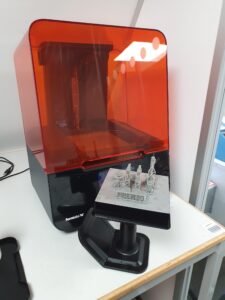
DLM’s FormLabs Form 3 3D printer, supplied by Solid Print3D Ltd., of Warwickshire, UK utilises a technology called Stereolithography (SLA), which, as James Pawsey, Mechanical Design Engineer at DLM, explained, is a more costly but more accurate method of 3D printing versus “more typical” fuse deposition modelling (FDM). Pawsey said: “FDM uses a thread of plastic that gets melted and built up in layers; SLA uses an ultraviolet laser to cure liquid resin layer by layer. It’s an interesting technological development that we’re keen to leverage.”
A 3D-printed solution aligned with Thurn’s initial expectations for the release concept, and Pawsey said it was an easy decision to utilise the machine that has been part of DLM’s printing fleet since August, from when it has been in almost constant use.
He said: “[Thurn] needed it to be lightweight and produced on a budget in a short timeframe. None of these things lend themselves too well to traditional machining or moulding techniques. We were able to print some parts on the same day as designing them, try them out and modify the design, which we really could not have done without it.”
DLM loosely based the safety release mechanism on larger, heavier products used in the cable laying industry, but they would not be suitable to use with a flying drone.
For more information visit: www.dlm-uk.com
OTAQ Plc - Acquisition of ROS Technology
OTAQ, the marine technology products and solutions group for the global aquaculture and offshore oil and gas industries, is pleased to announce the acquisition of the trade and assets of ROS Technology Limited (“ROS Technology”).
OTAQ has acquired the trade and assets of ROS Technology for a consideration of up to £300,000 to be satisfied from existing cash resources (the “Acquisition”). The Acquisition consideration comprises initial consideration of £225,000 and up to a further £75,000 of deferred consideration, payable in two instalments of £37,500 over the next two years, subject to certain criteria.
Founded and managed by Dr Peter Robinson, ROS Technology is an innovative technology business which specialises in electronics and mechanical design in multiple industries including aquaculture and offshore. The Acquisition will add existing revenue generating contracts and greatly enhance OTAQ’s aquaculture R&D capability as the Company looks to broaden its product offering.
As part of the Acquisition, Peter will join the Company and have responsibility for the continued development of the acquired ROS Technology products as well as joining the existing OTAQ R&D team. A technology innovator for over 40 years and formerly a founder of OTAQ and designer of the original SealFence product, Peter is well known to the Directors of OTAQ and has recently assisted the Company in its work with the US aquaculture company, Minnowtech LLP.
For the unaudited year ended 30 June 2020, ROS Technology generated revenues of approximately £312,000 and made a profit before tax of approximately £152,000. As at 30 June 2020, its unaudited gross assets amounted to approximately £196,000.
Commenting on the Acquisition, Phil Newby, Chief Executive at OTAQ, said:
“We are very pleased to welcome Peter back to OTAQ through the acquisition of his business, ROS Technology. Peter is well known to the Directors of OTAQ and has a first-class track record for developing ground breaking technologies. At a time where OTAQ is broadening its product and service portfolio to a global client base looking for competitive advantage in its markets, this is an exciting addition to our research and development capability.”
For more information visit:
IMarEST premieres short film on safeguarding the oceans
The Institute of Marine Engineering, Science and Technology (IMarEST) and ITN Productions Industry News have co-produced Ocean Aware, a short film that draws attention to the challenges facing the ocean, explaining the mechanisms we have to defend them and steward their resources. It showcases the stories of science, innovation and sustainability that are transforming the marine sector.
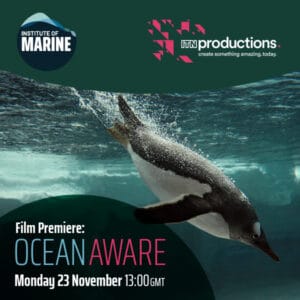 Ocean Aware aims to shine a light on the web of international governmental organisations tasked with ensuring the safety of shipping, safeguarding the environment and finding ways to equitably share ocean resources. It explains the opportunities open to IMarEST members to influence discussions taking place in these bodies and shape future regulation by contributing their expertise.
In addition to interviews with IMarEST President Kevin Daffey and Jennifer Gomez-Molina, Co-Chair of the IMarEST Offshore Renewables Special Interest Group, the programme features segments from organisations that are addressing some of the key challenges facing the marine domain.
It outlines IMO’s efforts to tackle biofouling and the threat of invasive species and an initiative by the insurer AXA XL aimed at supporting the restoration of mangroves to protect communities threatened by rising sea levels.
The shipping, energy and commodities analyst S&P Global sheds light on the relationship between commercial imperatives and environmental goals. The quest to run vessels efficiently and sustainably is the subject of a piece from the fuel testing experts VPS. The final segment in cooperation with Seaflo reveals how enhanced simulator and digital technologies are set to improve the delivery of training to people working in the sector.
To celebrate the film's premiere, the IMarEST is holding a virtual event on 23 November. Former IMO secretary general Kitack Lim will set the scene for the first official screening. This will be followed by a 30-minute panel discussion led by IMarEST President Kevin Daffey on climate resilience, new frontiers in regulation and expanding ocean literacy.
These key themes will be explored from multiple angles by representatives from organisations featured in the film as well as representatives from the Commonwealth Blue Charter and senior members from the Institute's Special Interest Groups. The debate will conclude with an interactive Q&A session giving viewers the opportunity to put their own questions to the panel.
To register your place for the premiere of Ocean Aware, visit:
https://www.imarest.org/events/category/categories/imarest-event/film-premiere-ocean-aware
Kraken Completes Successful Fall OceanVision™ Campaign
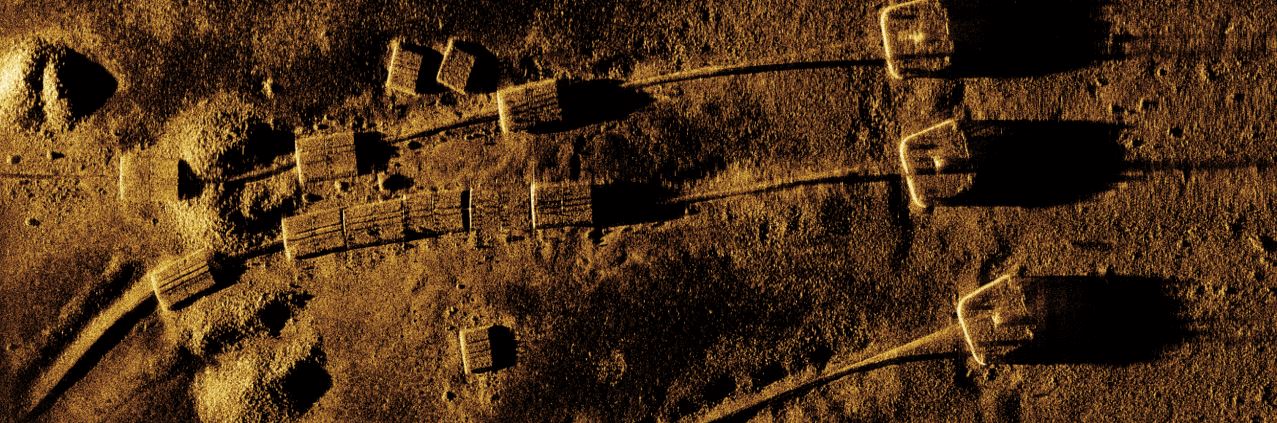
Kraken Robotics Inc. (TSX-V: PNG, OTCQB: KRKNF), Canada’s Ocean Company, is pleased to announce that it recently completed its third offshore data acquisition and technology demonstration campaign as part of the $19 million OceanVision™ project. During this campaign, Kraken deployed its new SeaScout® system which consists of Kraken’s KATFISH™ towed synthetic aperture sonar, the Tentacle® winch and Autonomous Launch and Recovery System (ALARS) to conduct ultra-high definition seabed imaging and mapping in Atlantic Canada.
The OceanVision™ campaign took place from September 21 to October 18 and included the mobilization and integration of Kraken’s KATFISH™ system onboard Atlantic Towing Limited’s Atlantic Kingfisher offshore supply vessel. This marks the 8th different vessel type that Kraken’s KATFISH™ has operated from, demonstrating the flexibility and robustness of operation on vessels ranging in length from 39 feet to 262 feet.
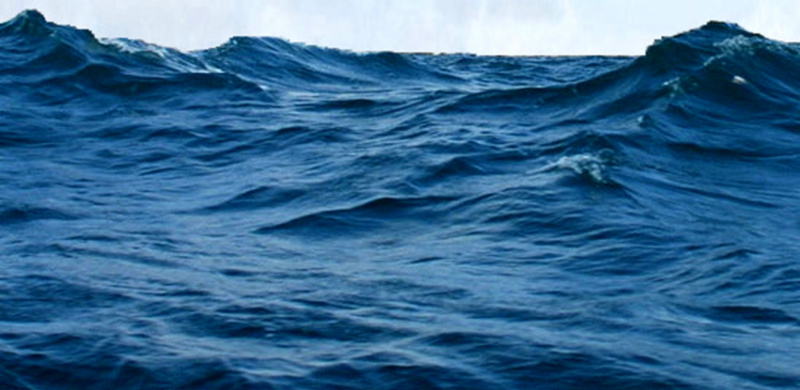
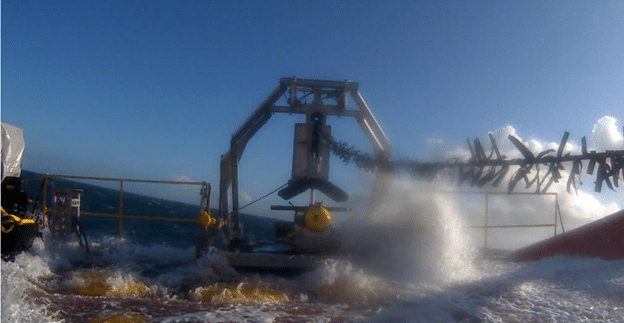 During the campaign, Kraken collected data in a variety of areas focusing on marine habitats, iceberg scours and other objects of interest, operating the KATFISH™ and ALARS in up to Sea State 6 conditions. In addition to capturing large amounts of ultra-high definition seafloor data, Kraken was very pleased with the performance of its ALARS system. The ALARS had recently completed successful sea trials in Nova Scotia on Kraken’s Ocean Seeker vessel, and the OceanVision campaign provided the first opportunity to deploy the system in real-world offshore environmental conditions. This campaign also saw the first successful offshore demonstration of Kraken’s SeaVision® laser profiler integrated in the KATFISH™. The SeaVision® laser profiler will act as an integral part of a gap filler solution, thus increasing the area coverage rate of the KATFISH™ versus other solutions without gap fillers.
Karl Kenny, Kraken’s President and CEO said, “I am very pleased to see the successful completion of yet another OceanVision™ campaign – building upon lessons learned in previous campaigns, demonstrating cutting edge technologies in challenging conditions, and imaging the seabed in and around Atlantic Canada at resolutions never before seen. The KATFISH™ system continues to produce excellent results and astounding images. I was especially pleased to see the successful real-world testing of our ALARS system. Sea conditions in October in the North Atlantic Ocean are far from ideal, and the combination of the ALARS and the Tentacle Winch allowed our team to safely and efficiently launch and recover the KATFISH™, minimizing risk to personnel and to equipment, and significantly increasing our operational envelope.”
“Kraken looks forward to future campaigns in 2021 as part of the OceanVision™ project which will see integration of new technology developments from Kraken and its partners including Multi-Spectral Synthetic Aperture Sonar, ThunderFish® XL AUV and the DIVE LD-AUV. These technologies will form a key part of our emerging Robotics as a Service business as we deploy innovative technology platforms across ocean sectors and extend the global reach and market opportunities for Kraken and our partners.”
For more information visit:
Rhonda Reidy Awarded NSERC Grant in Partnership with ASL to Measure Baleen Whale Prey in British Columbia
The University of Victoria Ph.D. candidate Rhonda Reidy has recently received funding for her project “Modifying an Acoustic Zooplankton and Fish Profiler for quantitative spatial sampling of baleen whale prey in British Columbia”, co-supervised by Dr. Laura Cowen and Dr. Stephane Gauthier. This funding comes from an NSERC Alliance grant awarded to Laura Cowen. Reidy studies baleen whale foraging dynamics. North Pacific humpback whales, in particular, are increasing in abundance and, in BC, are increasingly struck by vessels and entangled in fishing gear. New tools are required to observe their interactions including collecting data on the humpback whale diet. The goal of a partnership between Reidy and ASL Environmental Sciences (ASL) is to collaborate on a modified ASL Acoustic Zooplankton and Fish Profiler (AZFP). The AZFP is an autonomous and calibrated scientific echo sounder, designed for long-term environmental monitoring of the water column from a stationary mooring on the seafloor. In a bottom-mounted, upward-looking orientation, the AZFP monitors the presence of zooplankton and fish by measuring acoustic backscatter returns at multiple ultrasonic frequencies.
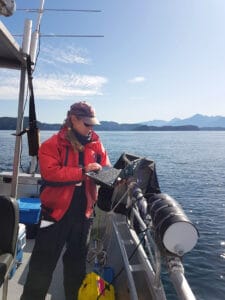 One great interest to the marine conservation community in BC is to develop reliable measurement methods for the evaluation of baleen whale diet over time. The objectives of this project are to (i) modify the AZFP for efficient use on small boats and (ii) evaluate the performance of the AZFP regarding its utility for collecting high-resolution prey data near feeding baleen whales. Reidy’s research will employ the AZFP in a vessel-mounted, downward-looking orientation from the sea surface which requires modifying the AZFP’s external hardware and developing custom software. Advantages of this modification include ruggedized portability of the instrument, expedited deployments and ease of use by non-physical oceanographers. In contrast to ship-based surveys or stationary moorings on the seafloor, portability provides high resolution data collection at low cost as well as rapid visualization and evaluation of results.
ASL will incorporate Reidy’s feedback into the modified system. Examples include a new AZFP interface unit for above-water operation on a moving platform and less complicated software for expediting system deployments. The “new” AZFP will enable enhanced spatial surveys that are economical, quantitative, and repeatable and that are conducted over a significantly shorter duration than a six or twelve-month fixed deployment on the seafloor.
ASL will contribute to this project through a cash contribution and through in-kind contributions. Engineering expertise is in collaboration with Dr. Stephane Gauthier, an acoustics scientist with Fisheries and Oceans Canada who will offer use of an AZFP purchased by DFO as well as his expertise using the AZFP data. Dr. Laura Cowen is an ecological statistician who will be providing statistical support. ASL staff will assist with the project—Jan Buermans will oversee ASL’s participation, Matt Stone will install the modified AZFP on the field boat and Rene Chave will be responsible for implementing software updates and troubleshooting. Dr. Steve Pearce, ASL’s AZFP product manager, with expertise in applied sonar systems, will be liaison between ASL and the Cowen laboratory, assisting in all aspects of the partnership.
For additional information, please visit:

NORBIT Aptomar acquires the SeaDarQ radar system for environmental monitoring
Nortek announces the sale of its SeaDarQ radar technology for environmental monitoring and oil spill detection to NORBIT Aptomar, a technology provider to global maritime markets.
NORBIT, which is headquartered in Trondheim, Norway, will integrate the SeaDarQ software with NORBIT’s existing SeaCOP environmental monitoring system. The SeaCOP system combines remote sensing technologies – like radar, infrared cameras and sonars – with state-of-the-art data fusion and artificial intelligence.
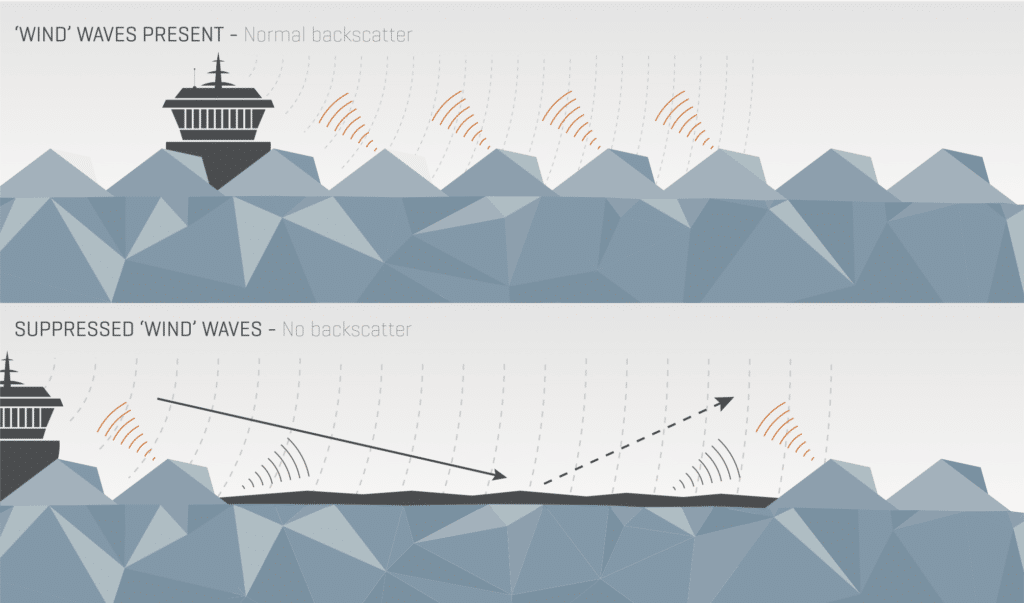
Using a high-resolution marine X-band radar, the NORBIT Aptomar SeaDarQ System can automatically detect, track and monitor oil spills on the ocean surface.
Developing and expanding the capabilities of the SeaDarQ system Nortek’s subsidiary in the Netherlands has worked to develop, renew and expand the capabilities of the SeaDarQ system since Nortek acquired it in 2011. The most important product development milestones since then were the automated detection of oil spills through improved image processing and the addition of detection and tracking algorithms. Radar acquisition and processing hardware have also been improved and simplified.
OSD radar processors monitor the presence of capillary waves, caused by the wind affecting the water surface. When an OSD radar processor detects an area with no capillary waves, it could be a possible oil spill.
Since 2011, the SeaDarQ system has been especially successful in China and Brazil, including a landmark Brazilian project comprised of radars, cameras and software on an FPSO and support vessels.
NORBIT’s acquisition of the SeaDarQ system presents an opportunity to provide a truly ground-breaking technology for environmental monitoring, adding valuable data points for port security, asset protection, vessel traffic monitoring and oil spill detection to their already extensive solution.
Nortek strengthens its strategic focus on core technologies. Selling this business activity allows Nortek’s office in the Netherlands to focus on core technologies and activities, such as its successful vessel-mounted (or moving-boat) current measurement system, the Signature VM Ocean and Coastal.
For more information visit: