

Blue Ocean Seismic Services are recruiting a Mechanical Engineer
Working in the Unmanned Underwater Vehicle (UUV) Work Stream, within a multidisciplinary technology team, this role is suitable for an innovative mechanical marine engineer with experience in designing underwater vehicles and with an interest in challenging the conventional and seeing design concepts through to a final product.
The role is primarily focused on the design and optimisation of sub systems for a bespoke UUV given specified system constraints, with some aspects of surface vessel design, launch and evaluation.
Position type:
Full-time
Reporting to:
UUV Work Stream Lead
Travel required:
<15%
Location:
Farnborough area, UK
Salary:
Competitive
Blue Ocean Seismic Services (BOSS) background:
BOSS is an innovative tech start up with strong shareholders including BP. Our vision is to disrupt the Marine Seismic industry through the development of a large-scale autonomous ocean bottom seismic data acquisition system, resulting in a step change reduction in the cost, time and HSSE risks required to acquire high quality OBS data. We help our clients to reduce their carbon emissions and their carbon footprint.
BOSS is developing a revolutionary, integrated seismic acquisition system based around long endurance, self-repositioning robotic ocean bottom nodes.
These nodes are capable of multiple autonomous re-positions to allow rolling of the receiver array without having to recover and redeploy nodes. This, in combination with automated handling systems, rapid deployment/recovery and intelligent system control, allows for optimisation of seismic acquisition survey operations to minimise duration and cost, and removes the requirement for ROV support.
Required Experience & Qualifications:
- Engineer degree qualified in one of the following disciplines: Naval Architect, Structural or Mechanical Engineering with minimum 5 years of experience.
- Relevant engineering track record for subsea mechanical design.
- Extensive experience with 3D modelling software (PTC Creo preferred or similar) to create complex part assembly models.
- The ability to work in the UK.
Desirable Qualifications & Experience
- Linear/non-linear structural analysis experience with FEA software.
- Technical understanding of subsea vehicle motion and fluid dynamics loading for mechanical design tasks.
- Good working knowledge of different engineering materials and corrosion management in a marine environment.
General responsibilities:
- Development of detailed subsystems and parts to meet required specified performance criteria.
- Detailed evaluation of design concepts through computational analysis and physical model testing.
- Production of design submittal documentation and associated reports when required.
- Production of detailed design drawings & specifications.
- Production of verified design for prototyping and manufacture
To apply, please send CV and cover letter to [email protected] or visit www.blueoceanseismic.com/jobs/mechanical-engineer

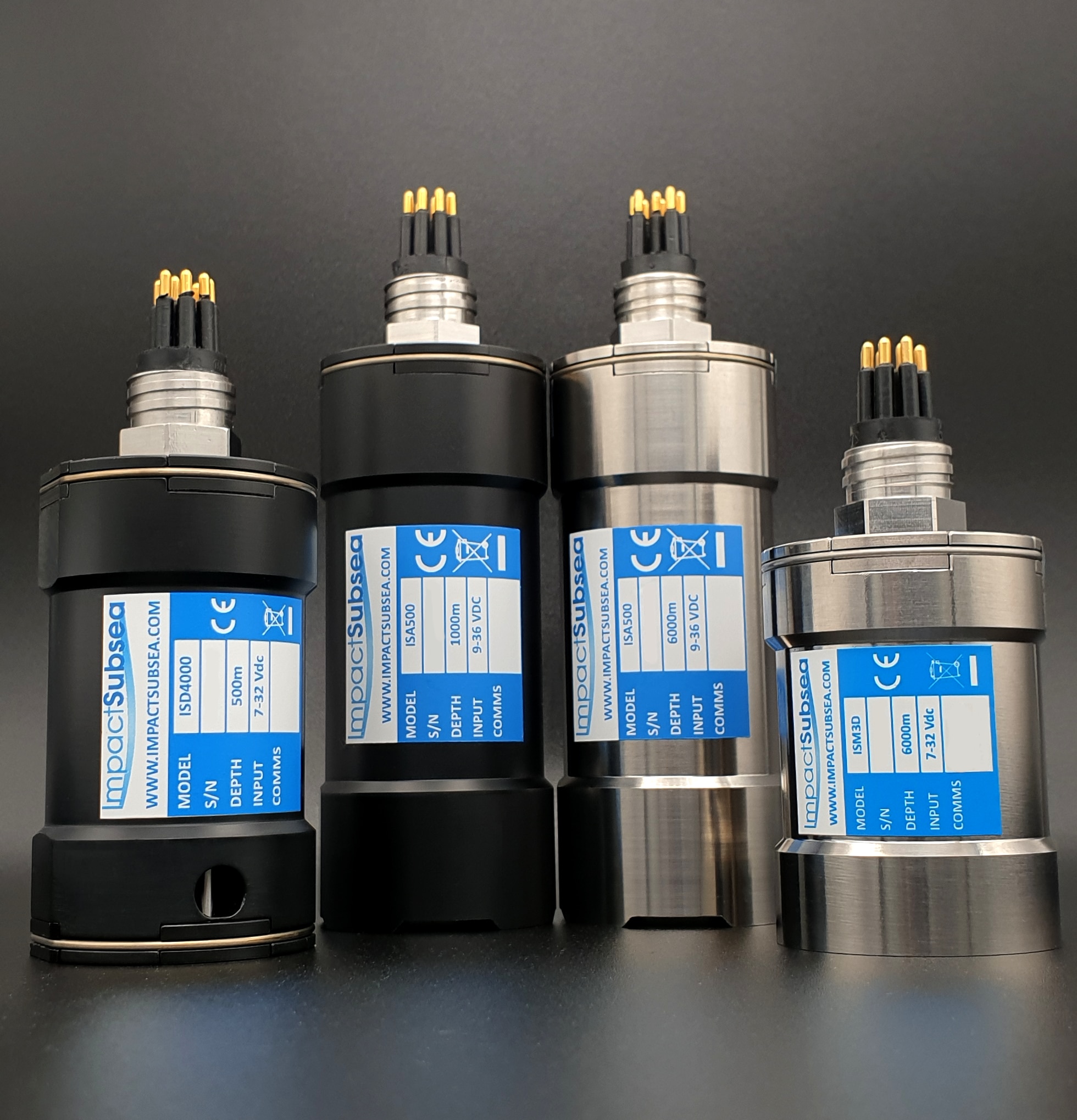
Impact Subsea Distribution Agreement with Seatronics
Impact Subsea is delighted to announce the appointment of Seatronics Ltd as a distributor of Impact Subsea underwater sensor solutions within the Middle East.
Seatronics, an Acteon company, are a global leader in the rental and sale of marine electronics equipment and subsea solutions. The company supplies the construction, defence, dredging, IMR and renewables sectors.
Akram Ali, Regional Manager - Middle East, Seatronics commented “Impact Subsea are a manufacturer we know well, their product line is known for its quality and reliability and we look forward to bringing these options to our local client base.”
Ben Grant, Managing Director, Impact Subsea further commented “We have worked with Seatronics for many years and are delighted to strengthen this working relationship with this appointment. Seatronics are well known for their integrity, knowledge and technical capability. These characteristics will enable excellent support to be provided to the Impact Subsea user base within the Middle East”.
Impact Subsea’s distributor base consists of seventeen companies worldwide. Each distributor provides Impact Subsea sales and technical support to their regions. Further growth of the Impact Subsea distributor network is planned in 2021 to ensure the highest levels of support are available for Impact Subsea’s growing user base.
Impact Subsea are based in Aberdeenshire, United Kingdom where they design and manufacture a range of sensors for underwater ROV & AUV applications. The company’s sensor offerings include Sonar, Altimeter, Depth, Attitude & Heading Reference together with Flooded Member Detection systems.
For further information regarding Impact Subsea please visit www.impactsubsea.co.uk
For further information regarding Seatronics please visit www.seatronics-group.com
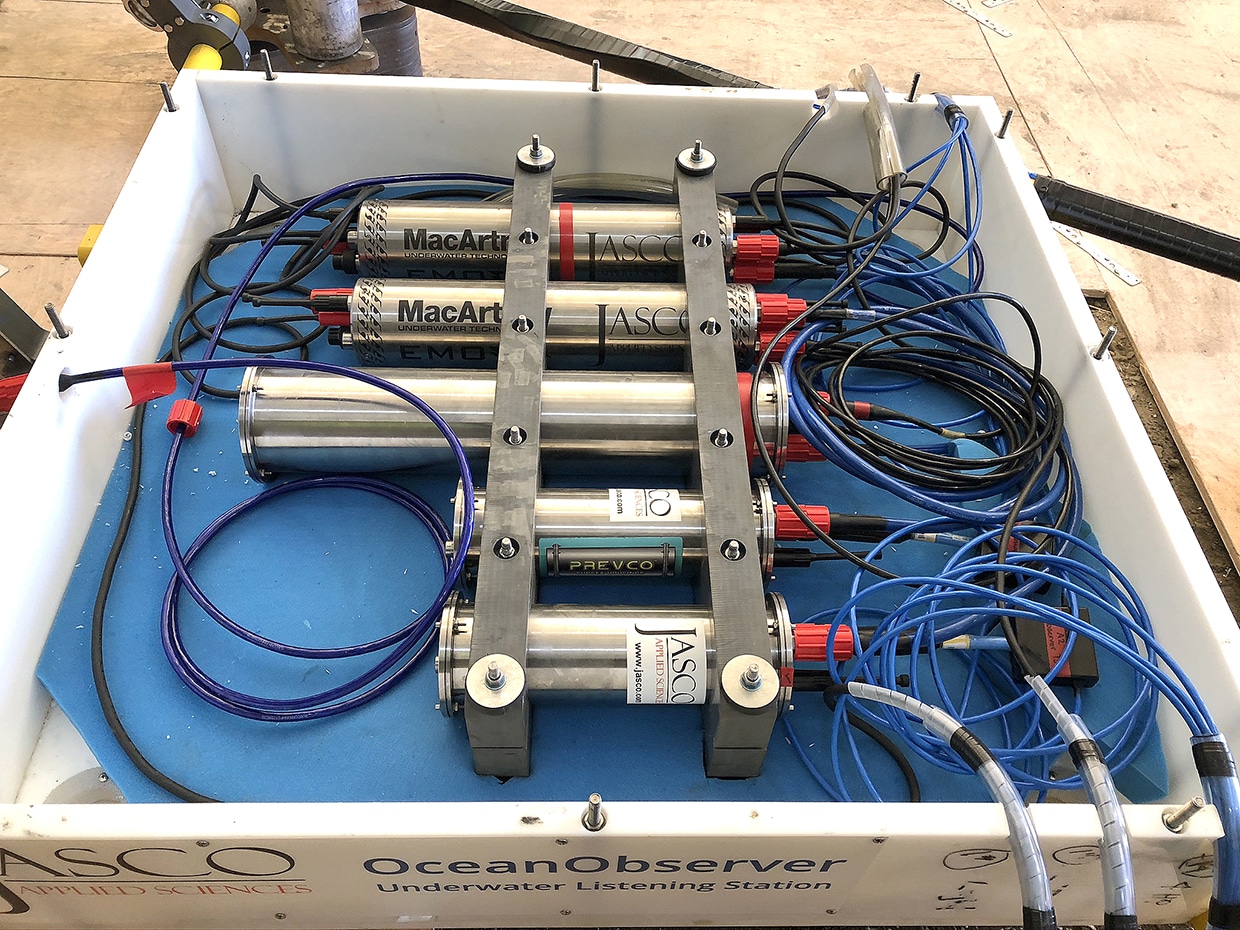
MacArtney Develops Advanced Telemetry System for Jasco Underwater Listening Stations
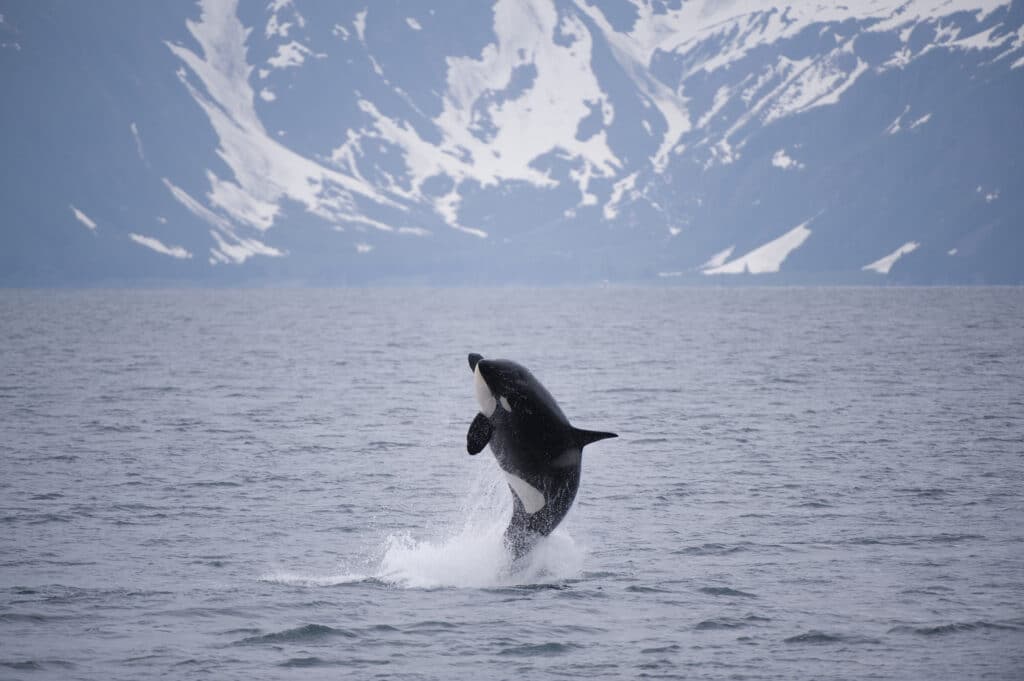
Years of development culminated in a MacArtney telemetry concept measuring and transmitting individual noise profiles for complex acoustic data tracking to help preserve and recover one of Canada's most iconic species - the Southern Resident Killer Whale.
Under the Canadian Species at Risk Act, the Southern Resident Killer Whale was recently concluded to be facing an approaching threat to survival and recovery. At Boundary Pass in the Salish Sea, an enhanced monitoring project provides an underwater sound picture of the Southern Resident Killer Whale's habitat, consequently rendering the most effective noise reduction measures.
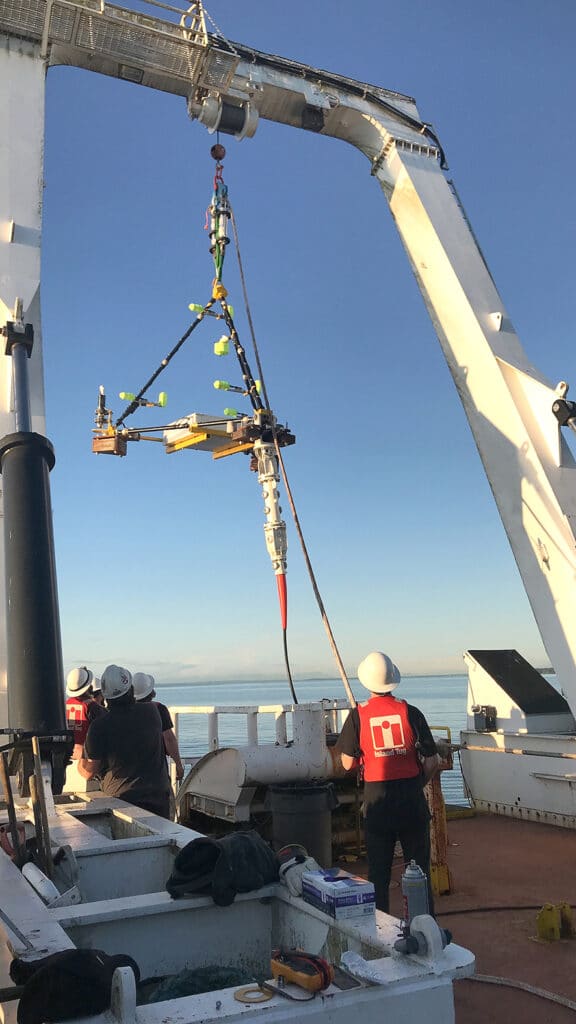
The Jasco Underwater Listening Stations (ULS), commissioned by Transport Canada under the federal government's five-year Whales Initiative, will passively track endangered whales and thousands of commercial vessels frequenting British Columbia's southern ports on an annual basis.
On the system solution and scope of supply for the Jasco Applied Sciences ULS, Andrew Palmer – General Manager at MacArtney Canada Ltd. - comments:
"MacArtney and Jasco have been working on the concept of the ULS for several years. The challenge was to develop a telemetry system that would not interfere with the acoustic data gathered by the Jasco hydrophone arrays. The scope of this project was one of the larger, if not the largest, development we've ever undertaken at MacArtney Canada Ltd., and I could not be more pleased with what we've accomplished."
Scope of supply
The project scope includes two Jasco Underwater Listening Stations, each comprising two MacArtney Mini-T multiplexer systems and one MacArtney LUXUS HD camera.
The MacArtney Mini-T multiplexers enable the Jasco ULS systems to provide real-time communications to a shore via a subsea fibre optic cable. The sensor suite aboard each ULS consists of various sensors, including:
- An array of hydrophones
- High definition video camera
- LED light
- Acoustic Doppler current profiler (ADCP)
- Conductivity, temperature, and depth sensor (CTD)
MacArtney's line of EMO multiplexers enables multiple data streams and control signals to be transmitted simultaneously through a single optical fibre. This allows for real-time data transfer over vast distances through a smaller cable with minimal conductors. On the opposite end of the system, a de-multiplexer converts the data back into the original formats where it may be accessed via an interface from the rack-mounted console.
The data collected by the ULS systems will be used to create individual vessel noise profiles, to detect and track whales, and to monitor noise levels in the Boundary Pass for many years to come.
For more information visit: www.macartney.com
Fugro launches MASSPeople international working group for remote and autonomous training standards
In partnership with SeaBot XR, a leading agency for next-generation cutting-edge learning products and services, and the UK Maritime and Coastguard Agency, Fugro has launched MASSPeople, the Maritime Autonomous Surface Ships (MASS) International Training Standards Working Group. The group consists of representatives from European and international maritime authorities who will collaborate to develop world-class training and competency standards for remote and autonomous vessels.
The introduction of remote and autonomous technology has brought new ways of working to the maritime sector, and the aim of MASSPeople is to explore the human dimension of remote and autonomously enabled marine surface vessels. Fugro and SeaBot XR have already been working together since 2019 to develop new standards and a training framework through which Fugro's employees can be upskilled in the operation of remote and autonomous vessels, and the new working group will continue these initiatives. MASSPeople will provide recommendations on new competency standards for inclusion into the International Convention of Standards on Training, Certification and Watchkeeping for Seafarers (STCW); the group will also propose specialisms, training structures and qualification requirements for remote and autonomous operators. By focusing on the mariners who operate this new technology, the group aims to ensure that their skills can evolve effectively and to high industry safety standards.
Remko Kloos, Fugro’s Global Director for Fleet Services, said: "By establishing MASSPeople, we are preparing for the future and the transition to remote and autonomous technology, which is already changing the way our industry operates. This new technology contributes to Fugro’s purpose of creating a safe and liveable world, but it is ultimately our people who make change happen and MASSPeople will ensure they are fully trained and supported in their important mission.“
For more information visit: www.fugro.com

MMT Awarded Three-year Contract, with two one-year options, for Nord Stream AG
MMT Sweden today announced the award of a major3 three-year contract, with two one-year options, for Nord Stream AG. The yearly inspections, to be executed through our cooperation with Reach Subsea, include visual and acoustic survey services critical for the pipeline integrity assessments, covering inspection of the European sections of both lines of the Nord Stream Pipeline System running from Russia to Germany.
This award follows on from the original contract awarded in 2017. One of the key advantages from this continued collaboration is the development resulting from the experiences gained during the last four years. This allows for significantly reduced costs and increased efficiency by high-speed survey operations and automated data processing workflows.
Project Management, engineering, remote and post-processing will be performed from MMT Sweden’s office in Gothenburg, Sweden. Offshore operations will occur in Q1-Q2 2021.
Per-Olof Sverlinger, CEO of MMT Sweden said: "After four years of successful inspections of the Nord Stream Pipelines, we are very proud to again be the chosen contractor and continue to bring our technology to the Baltic Sea, increasing the efficiency and cost reductions for our clients. In cooperation with our partner Reach Subsea, we will continue to support Nord Stream in their safe and environmentally friendly energy transport to Europe.”
1 MMT defines a sizeable contract as being between EUR 2 million and EUR 5 million.
2 MMT defines a substantial contract as being between EUR 5 million and EUR 10 million.
3 MMT defines a major contract as being above EUR 10 million.
For more information visit: www.mmt.se

Canada's Ocean Supercluster awards collaboration between RBR, DFO, and Dalhousie
RBR Ltd., an Ottawa based ocean technology company focused on the development of world-class oceanographic instrumentation, is pleased to announce significant funding from Canada’s Ocean Supercluster’s Accelerated Ocean Solutions Program (AOSP) for a new project that will develop integrated ocean sensors for autonomous ocean platforms in collaboration with Canada’s Department of Fisheries and Oceans (DFO) and Dalhousie University’s Department of Oceanography (DAL).
The Advancing Smart Integrated Ocean Sensors for Autonomous Platforms Project focuses on developing new sensor technologies aimed initially at the Biogeochemical (BGC) Argo program with the objectives of improving sensor stability and reducing power requirements and cost per profile. In this AOSP project, RBR will undertake the technology development and productization of the new BGC sensors while collaborators at DFO and DAL will provide scientific and technical resources for the testing, operation, and subsequent data analysis of BGC sensors in the lab and through ocean deployments.
“The OSC funding enables a leap forwards in our capabilities and reduces the timeline to bring these exciting new sensors to market” stated Greg Johnson, President of RBR Ltd.
“The addition of biogeochemical sensors to Argo floats is an unprecedented opportunity to address pressing questions about changing ocean ecosystems and global climate that are otherwise intractable. This will be a game changer for ocean biogeochemical observation and prediction” stated Katja Fennel, Professor, Department of Oceanography, Dalhousie University.
“Fisheries and Ocean Canada is a strong supporter of the Argo Program, and has committed to advancing the effort to integrate biogeochemical sensors into the global fleet. The development of new BGC sensors by RBR will provide benefits to all countries that contribute to Argo,” stated Blair Greenan, Research Scientist, Fisheries and Oceans Canada.
The outcome of the RBR led Supercluster project will significantly improve the scope of autonomous ocean platforms and their effectiveness in collecting valuable ocean data used by ocean researchers as well as policymakers worldwide.
See the full Project award announcement from Canada’s Ocean Supercluster here: http://bit.ly/2LYyZz0
Aquatec marks three decades innovating for ocean sustainability with marine charity donation
Basingstoke-based subsea instrumentation designer and manufacturer Aquatec Group announces a donation to celebrate the beginning of its 31st year focusing on sustainable development activities. The donation, made to the Marine Conservation Society, is part of Aquatec’s commitment to supporting the ocean environment and looking after marine wildlife. This funding will allow the non-profit organisation to continue their work preserving the seas by creating well-managed marine protected areas, liaising with fishermen and industry to find more sustainable ways of fishing, and working together with retailers and consumers to buy and choose more sustainable food.
The contribution was part of a novel campaign the company launched to celebrate its 30th anniversary. Aquatec added a fixed amount to the donation fund for every view on its online corporate timeline. By promoting its three-decades of subsea innovations, the firm also encouraged the entire subsea community to think about the impact humans have on the oceans and contribute to the environment. Every view counted, and the timeline got thousands.
The firm is also taking other initiatives to achieve its sustainability objectives. These include an increased focus and plans to develop further its marine bioacoustics brand. Also, Aquatec is now actively participating in the NAUTILOS Project, funded under the Horizon 2020 Future of Seas and Oceans Flagship Initiative and coordinated by the National Research Council of Italy (CNR). The project brings together an influential group of 21 entities from 11 European countries with multidisciplinary expertise ranging from ocean instrumentation development and integration, ocean sensing and sampling instrumentation, data processing, operational oceanography and biology, water and climate change science, technological marine applications, and research infrastructures.
30TH ANNIVERSARY VIDEO
For more information visit: www.aquatecgroup.com
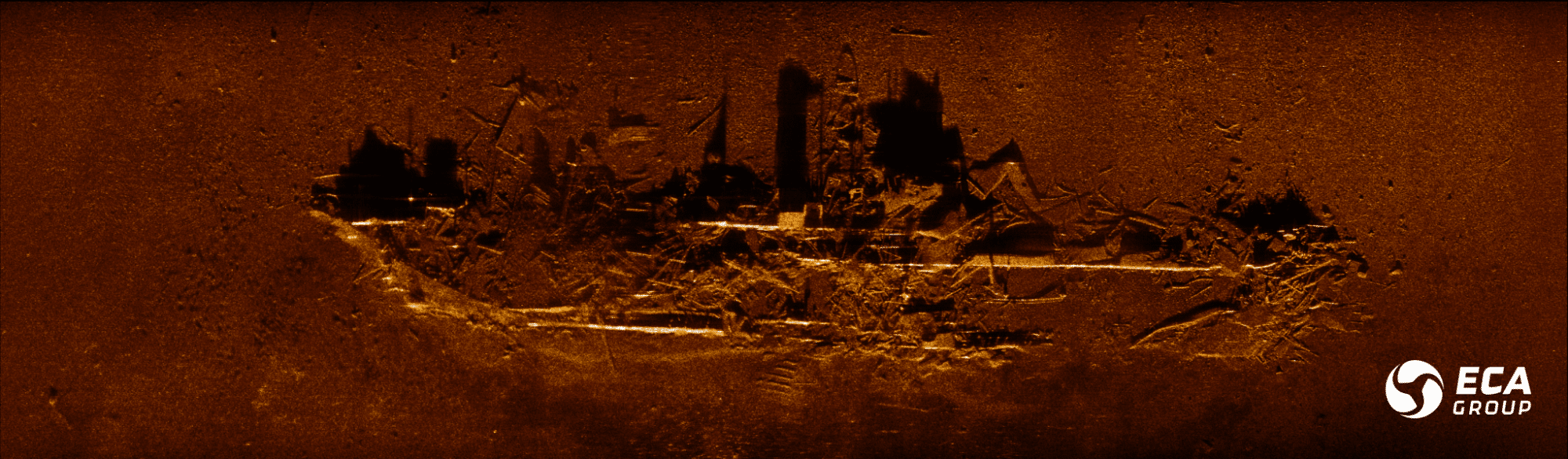
Successful sea trials for ECA GROUP’s UMISAS sonar
ECA GROUP’s UMISAS sonar completed a series of sea trials in the 2nd half of 2020 in preparation of their integration in AUVs and Towed Sonars for the Mine Countermeasures replacement programme for the Belgian and Royal Netherlands navies.
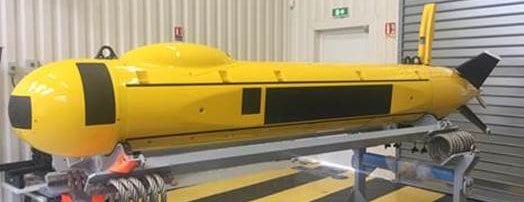
As part of the programme to replace the naval Mine Countermeasures capability of the Belgian and Royal Netherlands navies, which includes the supply of twelve minehunters equipped with unmanned systems (Toolbox), ECA GROUP announces the completion of sea trials of its UMISAS sonar for both the AUVs and Towed Sonars of the rMCM programme. The next step is the on-going production of the UMISAS sonars for their integration in the A18-M and T18-M adapted to the rMCM programme.
This integration will take place between October 2021 and March 2022.
ECA GROUP decided to develop its own range of Synthetic Aperture Sonars in 2014 and launched an internal programme. SAS sonars proposed by partners did not fulfil ECA GROUP’s internal requirements:
- Their weight, size or power consumption would have led to a too big and too heavy AUV whereas ECA GROUP’s MCM AUV was targeting the size of an A18-M medium-size AUV;
- Impossibility to precisely synchronize the SAS and the inertial navigation of the AUV in order to fully exploit the benefits of a new technique protected by an ECA GROUP patent for both SAS imagery and AUV navigation.
The A18-M AUV and T18-M Towed Sonar have the best performance when fitted with UMISAS sonars. Thus, these drones are exclusively commercialized with UMISAS sonars.
UMISAS: A NEW GENERATION OF SYNTHETIC APERTURE SONARS
ECA GROUP’s research and development in the field of sonars started back in 2014 together with its development of new generation Autonomous Underwater Vehicles in the A18 range. Driven by operational needs of Navies requesting high performance and more compact unmanned solutions for mine detection missions, ECA GROUP brings on the market their own sonar technology to be fitted on its naval drones and fully integrated into its unmanned systems.
The UMISAS sonars are interferometric synthetic aperture sonars (InSAS) used for mine detection missions as part of Mine Countermeasures operations at sea. The UMISAS sonars aim to obtain a spatial resolution of about 3 cm x 3 cm to optimally classify small and irregularly shaped objects on the seabed.
The positioning of the platform required to form the synthetic antennas is an integral part of the UMISAS processing chain. UMISAS directly uses the data from the A18-M or T18-M navigation grade inertial unit to perform SAS processing, thus eliminating the use of low cost navigation sensors used by some commercial SAS systems on the market which perform only the short term navigation required to produce focused SAS imagery, but do not allow for geo-referencing of the SAS images or improved positioning of the AUV by exploiting the SAS and, above all, are much less reliable.
UMISAS SONAR JOINS THE ECA GROUP DRONE FAMILY
The UMISTM Toolbox developed by ECA GROUP is a comprehensive solution for stand-off and autonomous mine clearance missions at sea to be operated from the ship or from the shore. It contains: a USV INSPECTOR125 surface drone , AUV A18-M underwater drones and T18-M towed sonars for mine detection, SEASCAN and K-STER C MIDS (Mine Identification and Disposal System) for mine identification and neutralization as well as UMISOFT, a comprehensive software suite for mission planning, drone control and data management.
UMISTM drones perform accurate navigation and positioning, obstacle detection and avoidance with a high level of performance, and one of the key elements, which will guarantee the expected high level of performance of the system, is the quality of imagery provided by these drones, which the ECA GROUP’s UMISAS Synthetic Aperture Sonar can offer.
UMISAS PROVIDES SUPERIOR COVERAGE RATE– DETECTING & CLASSIFYING STEALTHY MINES
UMISAS, an Interferometric Synthetic Aperture Sonar (InSAS), is an innovative underwater imaging technology that considerably improves seabed surveys by providing ultra-high resolution imagery at superior coverage rates, i.e. 4 times greater in terms of coverage and between 5 and 10 times greater in terms of resolution compared to conventional side scan sonars. Combining several dozens of acoustic pings to form an image with a much higher resolution, UMISAS processes raw data into 3 cm X 3 cm resolution images, constant with range, together with high area coverage rates (i.e. 1 square nm per hour for the UMISAS 240 fitted on the T18-M).
”This combination of resolution, area coverage and accurate positioning is what makes UMISAS unique. It allows for a high detection and classification probability, even of stealthy mines, which are a challenge for other sonars.”
Marc Pinto, Naval Robotics Scientific Advisor at ECA GROUP
DRONES + SONAR = DUAL EXPERTISE FOR BETTER MISSION PERFORMANCE
ECA GROUP is one of the few manufacturers capable of developing the drones as well as the InSAS sensor, optimising both in an integrated system approach ensuring a seamless integration and successful mine detection and classification operations. This integration expertise is a real asset to the global performance of the system:
- Close collaboration between trajectory control, navigation and positioning, sonar signal processing systems, allowing system tradeoffs to be made at the right place;
- Greatly facilitated electrical and mechanical integration of the InSAS sensor into the drone as both were designed together;
- Optimized Size-Weight-Power and Cost.
AI DRIVEN REAL-TIME PROCESSING INCREASES AUTONOMY
In addition, ECA GROUP engineers have focused on real-time InSAS processing on Graphical Processing Units leveraging significant progress in COTS computer hardware driven by AI applications:
- Thus, the real-time InSAS processor is very compact and has a low and optimized power consumption, inferior to 30W, which increases mission duration.
UMISAS’ systems operate on 2 frequency bands: High Frequency & Very High Frequency:
- Permitting a superior signal to noise ratio and thus a high contrast imagery at long range, even in harsh environments, including multi-pathing in shallow waters and high absorption in warm waters.
PROVIDING HI RES BATHYMETRY IMAGES
Finally, UMISAS has a pair of vertically superposed arrays for reception on each side of the platform for interferometric processing, allowing for high resolution of the bathymetry which is co-registered with the imagery for improved environmental assessment.
For more information visit: www.ecagroup.com
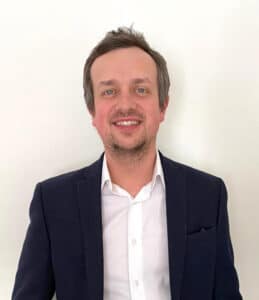
Aleron Limited announce the appointment of Gary McConnell as new Managing Director
Aleron Limited, specialists in complete ROV solutions, tooling and products, are delighted to announce the promotion of Gary McConnell to Managing Director. Formerly Commercial Manager, McConnell steered the business through a challenging year and will continue to lead Aleron through a significant period of growth, implementing new internationalisation strategies and developing the Aleron client offerings.
Aleron recently completed a high-level organisation restructure, consolidating the businesses of Aleron Subsea & ROVQUIP to the single entity of Aleron Limited. McConnell managed this transition to streamline the Aleron product and service offerings, bringing increased efficiencies to their global clients. The growth period for Aleron has also seen a 20% increase in their Aberdeen workforce, alongside the relocation to an enhanced new facility in November 2020.
Former Managing Director Mike Bisset, has returned to the role of Technical Director, focused on growing demand for Aleron Products, Services and Special Projects. Bisset said “We are delighted to see Gary take the Aleron reins. Since joining the business in 2015, Gary has proven his dedication to the company and has successfully built strong relationships with our clients. With his in-depth knowledge of the subsea industry and commercial drive, we look forward to seeing him grow the business to new strengths”.
Gary McConnell added “I am passionate about Aleron’s progression and success. Aleron has built a strong brand and customer base during a challenging period. We have diversified our product range, market segments and created new partnerships and alliances in overseas locations. Additionally, in the last year Aleron have added several senior industry specialists, widen
ing our knowledge, increasing experience and strengthening the team. Aleron has shown great resilience during the COVID downturn and begin 2021 in a strong financial position. I am delighted to have been given the opportunity to champion the growth plans at such an exciting time for the company.”
For further information on Aleron Limited’s products and services, visit www.aleron-group.com or email [email protected]
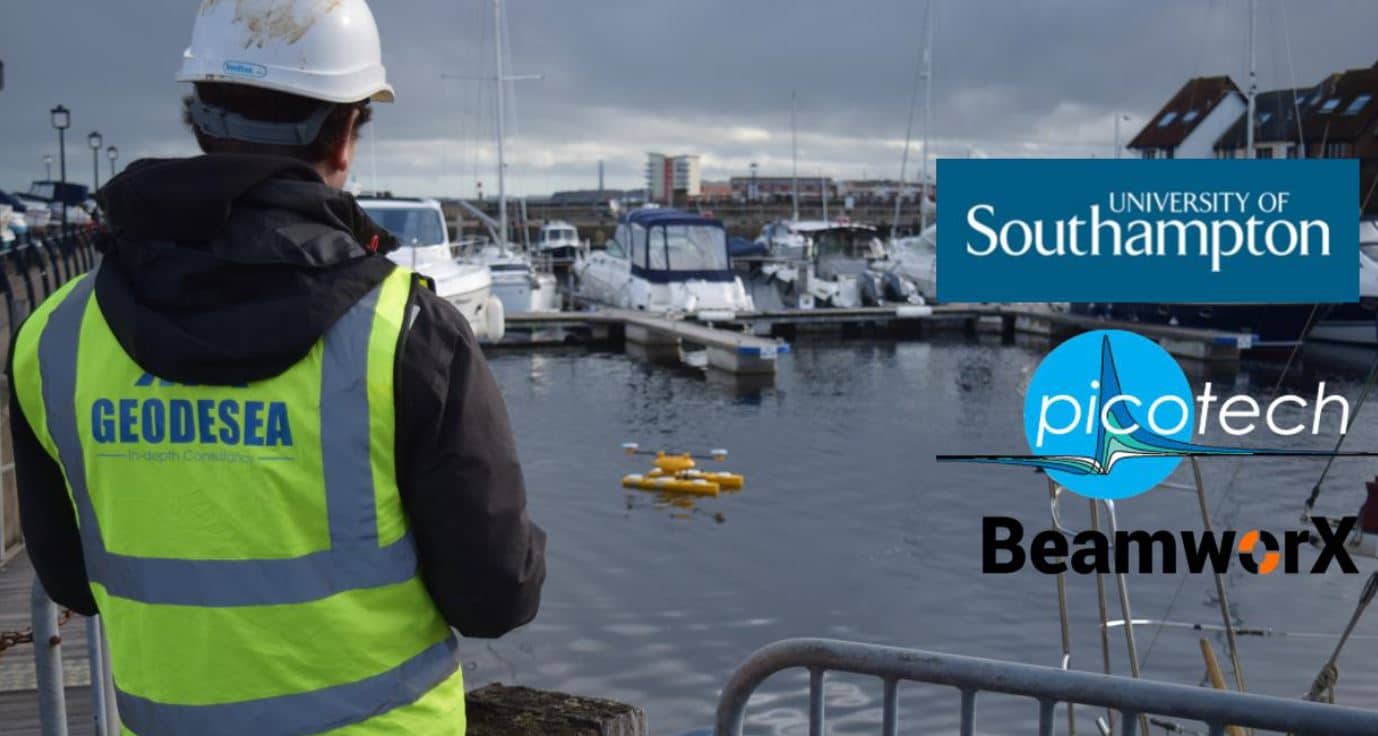
Southampton University opt for PicoTech Multibeam Sonar USV with BeamworX
Geodesea Ltd is proud to announce the delivery of a Picotech Ltd PicoCAT USV with PicoPod Multibeam sonar payload (Pico MB-130, integrated Applanix POSMV SurfMaster, PC & AutoPilot) to the Environmental Sensing @ Southampton facility at the University of Southampton.
PicoPOD is a turnkey multibeam package to power-up your existing USV for autonomous multibeam surveys. PicoPOD has a simple mechanical interface and free open-source autopilot. Supported by industry standard acquisition and processing software, BeamworX®, EIVA NaviSuite®, Xylem HYPACK®, Teledyne PDS® and QPS QINSy®.
BeamworX software (NavAQ/AutoPatch/AutoClean) is bundled into a single suite; each program can work completely stand-alone due to the flexible imports and exports. But together they form a powerful toolkit for for acquiring, calibrating and (re)processing Multibeam Echosounder Data. The University of Southampton is the latest UK university to adopt BeamworX as part of its software portfolio for undertaking research and educating the next generation of multibeam users!
Dr Julian Leyland, Associate Professor in the School of Geography and Environmental Science, and director of ES@S (www.esas.soton.ac.uk) said “The PicoCAT and PicoPod setup offer us a unique capability for autonomous survey in riverine and coastal settings. Integration of one of our VLP-16 puck Lidar units on the vessel will further enhance our capabilities and allow coincident above and below water monitoring. The equipment will underpin our world-leading research and teaching which seeks to better understand environmental change in these complex systems. Geodesea and Picotech combined to offer us a bespoke unit and superb support, from ordering to delivery and testing.”
For more information visit: www.geodesea.com